


Transforming your outdoor space into a beautiful, functional retreat starts with the right back yard garden ideas. Whether you have a modest city lot or a sprawling suburban plot, your backyard holds incredible potential for creativity, relaxation, and even food production. Homeowners today are reimagining their outdoor areas as extensions of their living spaces — places for entertaining, growing fresh produce, cultivating ornamental beauty, and escaping daily stress. In this comprehensive guide, we explore actionable backyard garden designs, plant selections, layout strategies, and expert tips that work for every skill level. From container gardening concepts to full landscape transformations, these ideas will help you build the backyard of your dreams.
Why Backyard Gardens Are More Popular Than Ever
The rise of sustainable living, home food production, and wellness-focused outdoor spaces has fueled a massive surge in backyard garden popularity. According to industry reports, home gardening has seen year-over-year growth as homeowners seek meaningful ways to connect with nature, reduce grocery costs, and increase property value. A thoughtfully designed backyard garden does more than look beautiful — it creates a habitat for pollinators, improves air quality, and offers a personal sanctuary right outside your door. The key is choosing ideas that align with your climate, budget, and lifestyle goals.
Starting Small: Best Backyard Garden Ideas for Beginners
If you are new to gardening, the most important step is starting with manageable projects that build confidence and skills. Overambitious plans often lead to frustration and abandoned gardens. Here are beginner-friendly backyard garden ideas that deliver quick wins:
- Raised Bed Gardens: Raised beds eliminate soil quality concerns, reduce weed pressure, and make gardening accessible without bending or kneeling. Start with a single 4×8-foot bed filled with quality garden soil and compost.
- Container Gardening: Pots, grow bags, and window boxes let you garden on patios, decks, or small yards. Tomatoes, herbs, lettuce, and flowers thrive in containers with proper drainage.
- Square Foot Gardening: This intensive planting method divides small spaces into grid squares, maximizing yield in minimal area. Mel Bartholomew’s approach is perfect for first-time gardeners.
- Keyhole Gardens: A circular raised bed with a central compost basket, these gardens are water-efficient and ideal for growing vegetables in compact backyard spaces.
Beginners should focus on easy-to-grow plants like basil, zucchini, marigolds, and tomatoes. These crops are forgiving, productive, and deeply satisfying to harvest.
Intermediate Projects for a Stunning Backyard Landscape
Once you have basic gardening experience, it is time to expand your vision. Intermediate backyard garden ideas combine aesthetics with function, creating layered outdoor spaces that feel curated and intentional.
1. Pollinator and Butterfly Gardens
A pollinator garden attracts bees, butterflies, and hummingbirds while supporting local ecosystems. Plant native wildflowers like coneflowers, black-eyed Susans, bee balm, and milkweed in drifts for a naturalistic look. Add a shallow water dish with stones for butterflies to perch on, and avoid pesticides entirely.
2. Edible Landscaping
Gone are the days when vegetable gardens were hidden in back corners. Edible landscaping integrates food-producing plants into decorative beds. Interplant rainbow chard among ornamental shrubs, train grapevines on pergolas, and use herbs like rosemary and lavender as border plantings. This approach delivers beauty and harvests simultaneously.
3. Rock and Xeriscape Gardens
For dry climates or water-conscious homeowners, xeriscaping uses gravel, decorative stones, drought-tolerant succulents, and native grasses to create visually striking gardens that require minimal irrigation. Pair sedums, agave, ornamental grasses, and lavender for a low-maintenance desert oasis.
Advanced Backyard Garden Design Ideas for Bold Homeowners
Experienced gardeners and homeowners ready to invest significant time and resources can pursue transformative backyard projects that become neighborhood landmarks.

- Japanese Zen Gardens: Incorporate raked gravel, carefully placed stones, moss, and minimalist plantings like Japanese maples and bonsai trees to create a meditative outdoor retreat.
- Cottage Garden Style: Dense, layered plantings of roses, peonies, hollyhocks, and climbing vines create romantic, abundant borders that feel timeless and English-inspired.
- Outdoor Kitchen and Herb Spiral Gardens: Combine a built-in grilling station with a spiral herb garden made of stacked stone, offering both culinary functionality and visual drama.
- Water Feature Gardens: Integrate ponds, streams, or fountains surrounded by moisture-loving plants like hostas, ferns, and astilbe for a lush, immersive garden atmosphere.
Best Plants and Layouts for Backyard Gardens
Selecting the right plants for your climate zone and soil type is critical to garden success. The table below compares popular backyard garden layouts with recommended plants and ideal conditions:
| Garden Style | Best Plants | Sun Requirement | Maintenance Level |
| Vegetable Patch | Tomatoes, peppers, lettuce, beans | Full sun (6-8 hrs) | Moderate |
| Flower Border | Coneflowers, lavender, salvia, daisies | Full to partial sun | Low to moderate |
| Herb Garden | Basil, thyme, mint, rosemary, cilantro | Full sun (6+ hrs) | Low |
| Shade Garden | Hostas, ferns, hellebores, astilbe | Partial to full shade | Low |
| Succulent Xeriscape | Aloe, sedum, agave, yucca | Full sun | Very low |
| Mixed Edible-Ornamental | Rainbow chard, nasturtiums, artichokes | Full sun | Moderate |
When planning your layout, consider the mature size of plants, sunlight patterns throughout the day, and drainage flow. A well-thought-out garden plan prevents overcrowding and ensures every plant thrives in its ideal position.

Key Principles for Successful Backyard Garden Planning
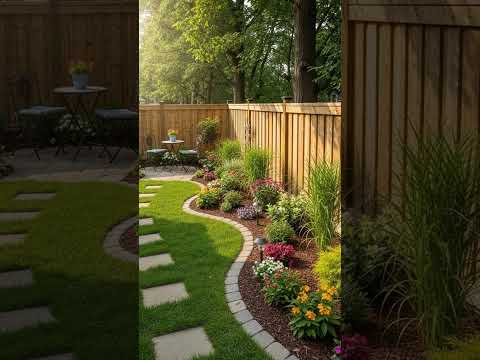
Expert landscapers and master gardeners agree on several foundational principles that separate thriving gardens from struggling ones:
- Observe Before You Plant: Spend a week noting sunlight patterns, wind exposure, and water flow in your yard before finalizing your design.
- Build Healthy Soil First: Amend your soil with compost, aged manure, and organic matter. Healthy soil is the single most important factor in garden productivity.
- Group Plants by Water Needs: Hydrozoning reduces water waste and keeps plants healthier by matching irrigation to their specific requirements.
- Use Layers and Height Variation: Tall plants at the back, medium-height in the middle, and ground covers at the front create visual depth and maximize growing space.
- Incorporate Hardscaping Elements: Pathways, edging, trellises, and garden structures add definition and make maintenance tasks easier.
Seasonal Strategies for Year-Round Backyard Gardens
A truly exceptional backyard garden delivers interest across all four seasons. Plan your planting calendar strategically:
- Spring: Start cool-season crops like peas, spinach, and pansies. Add flowering bulbs such as tulips and daffodils for early color.
- Summer: Plant warm-season vegetables and tropical flowers. Mulch heavily to retain moisture during peak heat.
- Fall: Transition to kale, ornamental cabbage, mums, and late-season root vegetables. Plant cover crops to protect and enrich soil over winter.
- Winter: Focus on structural elements — evergreen shrubs, ornamental grasses, and hardscape features keep your garden visually appealing even in dormancy.
Frequently Asked Questions
What are the best back yard garden ideas for small spaces?
For small backyards, vertical gardening, container gardens, square foot gardening, and raised bed designs maximize limited square footage. Wall-mounted planters, tiered shelving, and trellised climbing plants like beans and cucumbers draw the eye upward and dramatically increase growing capacity without expanding your footprint.
How do I start a low-maintenance backyard garden?
Choose native and drought-tolerant plants, use mulch to suppress weeds and retain moisture, install drip irrigation for efficient watering, and start with raised beds or containers to reduce soil preparation work. Perennial plants like lavender, sedum, and ornamental grasses return year after year with minimal effort.
What plants work best for a shady back yard garden?
Hostas, ferns, hellebores, astilbe, bleeding hearts, and caladiums thrive in shaded conditions. Add shade-tolerant edibles like lettuce, spinach, and mint for a productive yet beautiful garden under tree canopies or on north-facing sides of your home.
How much does it cost to create a backyard garden?
Costs vary widely based on scope and materials. A basic container garden can start under $50, while a full raised bed vegetable garden with quality soil and irrigation runs $200 to $500. Extensive landscape transformations with hardscaping, water features, and professional design can range from $2,000 to $10,000 or more depending on size and complexity.
Can I design a backyard garden that attracts wildlife?
Absolutely. Plant native species, add a water feature or bird bath, install birdhouses and bat boxes, avoid chemical pesticides, and include diverse bloom times to provide continuous nectar and shelter. A wildlife-friendly garden supports butterflies, bees, birds, and beneficial insects that enhance your entire ecosystem.
What is the easiest vegetable to grow in a back yard garden?
Radishes, lettuce, bush beans, and zucchini are among the easiest vegetables for beginners. They grow quickly, require minimal maintenance, and produce generous harvests even in less-than-perfect conditions. Start these confidence-building crops to develop your gardening skills before tackling more demanding varieties.
Conclusion
The best back yard garden ideas are the ones that reflect your personal style, suit your local climate, and fit realistically within your time and budget. Whether you begin with a single raised bed of tomatoes or commit to a full landscape redesign with water features and ornamental borders, every step you take toward creating a garden enriches your daily life. Start with what feels manageable, learn from each season, and gradually expand as your confidence and skills grow. Your backyard is a canvas — and with thoughtful planning and consistent care, it can become the most rewarding space in your home.