


When a hurricane makes landfall, it brings far more than strong winds and heavy rain — it unleashes a cascade of interconnected threats that can devastate entire communities within hours. Understanding the full scope of hurricane dangers is not just for meteorologists or emergency responders; it is essential knowledge for every person living in coastal regions or areas prone to severe tropical weather. From storm surge flooding to the slow-building health crises that follow in a hurricane’s wake, the risks are vast, varied, and often underestimated. In this deep dive, we explore the most significant hazards associated with hurricanes, break down how they compare in severity, and share practical strategies that can genuinely save lives.
Why Hurricanes Are Among the Most Destructive Natural Disasters on Earth
Hurricanes rank as some of the most powerful and destructive weather events our planet produces. Unlike isolated hazards like tornadoes or flash floods, a hurricane combines multiple extreme phenomena into a single system that can last for days. The sustained wind speeds in a major hurricane can exceed 155 miles per hour, enough to flatten entire neighborhoods. But wind is only the beginning. The combination of extreme rainfall, catastrophic storm surge, and prolonged flooding creates compound risks that far exceed what any single hazard would produce on its own. When tropical cyclones move inland, they continue to dump tremendous amounts of water, triggering river flooding and landslides that can affect areas hundreds of miles from the coast.

The Science Behind Hurricane Intensity and Damage Potential
Hurricanes form over warm tropical ocean waters, drawing energy from sea surface temperatures above 80 degrees Fahrenheit. As moisture rises and condenses, it releases heat that fuels the storm’s circulation, causing winds to spiral inward and upward. The Saffir-Simpson Hurricane Wind Scale classifies hurricanes from Category 1 to Category 5, and each category carries dramatically different risk profiles. A Category 3 hurricane or higher is considered a major hurricane, meaning it has the potential to cause catastrophic structural damage, long-term power outages, and life-threatening flooding. However, even a Category 1 storm can produce dangerous conditions, particularly through flooding and tornadoes spawned within the outer bands.
The Primary Dangers of Hurricanes

When most people think about what makes hurricanes dangerous, a few immediate threats come to mind. These primary hazards account for the majority of deaths and property destruction during a tropical cyclone event.
- Storm Surge: Often called the deadliest element of a hurricane, storm surge is a dome of ocean water pushed ashore by the storm’s winds and low pressure. Surge heights can reach 20 feet or more during a major hurricane, and it moves inland with terrifying speed, submerging coastal communities before residents can evacuate.
- Extreme Winds: Sustained hurricane-force winds exceed 74 mph and can rip roofs off buildings, snap trees in half, and turn everyday objects into dangerous projectiles. Wind damage often extends far inland, especially in larger systems.
- Torrential Flooding: A slow-moving hurricane can dump 10 to 20 inches of rain over a single region. This freshwater flooding is responsible for a significant percentage of hurricane-related deaths, often catching people off guard in urban and inland areas.
- Tornadoes: Hurricanes frequently spawn tornadoes, particularly in the right-front quadrant relative to the storm’s path. These tornadoes can form quickly and with little warning, adding another layer of danger to an already chaotic situation.
Secondary and Often Overlooked Hurricane Hazards
Beyond the headline-grabbing dangers, hurricanes produce a range of secondary hazards that can be just as deadly, yet receive far less public attention. These hidden threats often emerge after the storm passes, catching survivors off guard.
contaminated Water and Public Health Crises
Floodwaters left behind by hurricanes frequently become contaminated with sewage, industrial chemicals, and hazardous debris. Drinking contaminated water or coming into contact with floodwater can lead to serious infections, gastrointestinal illness, and exposure to toxic substances. In the days and weeks following a major hurricane, outbreaks of waterborne diseases like hepatitis A and cholera can erupt in affected communities, particularly where sanitation infrastructure has been destroyed.
Mold and Long-Term Respiratory Issues
One danger that people often overlook is the invisible threat of mold growth after floodwaters recede. Within 24 to 48 hours, moisture-soaked buildings become breeding grounds for toxic black mold and other fungal spores. Prolonged exposure to mold can trigger severe respiratory problems, allergic reactions, and neurological symptoms, particularly in children, the elderly, and individuals with compromised immune systems.
Power Outages and Medical Emergencies
Extended power outages lasting days or even weeks are a common consequence of major hurricanes. Without electricity, refrigerated medications spoil, medical devices stop functioning, and homes become dangerously hot or cold. Hospitals may be forced to evacuate patients, and emergency response times can increase dramatically as first responders navigate widespread damage.
Infrastructure Collapse and Transportation Hazards
Bridges, roads, and levees can suffer structural damage that is not immediately visible. Flooding erodes road foundations, and weakened bridges can collapse under the weight of a vehicle or even heavy rainfall runoff. In the aftermath, people attempting to drive through flooded roads face drowning risks — just six inches of moving water can knock an adult off their feet, and two feet of water can carry away most vehicles.
Comparing Hurricane Dangers by Storm Category
Understanding how the severity of hurricane dangers scales with storm category helps residents make informed decisions about evacuation and preparedness. The table below breaks down the primary risks associated with each hurricane category.
| Category | Wind Speed (mph) | Storm Surge Risk | Flooding Potential | Typical Damage Level |
| Category 1 | 74–95 | Moderate, 4–5 ft | Low to Moderate | Minor structural damage, downed trees |
| Category 2 | 96–110 | Moderate, 6–8 ft | Moderate | Major roof and siding damage, widespread power loss |
| Category 3 | 111–129 | Major, 9–12 ft | High | Catastrophic structural damage, weeks without power |
| Category 4 | 130–156 | Extreme, 13–18 ft | Very High | Complete roof failure, severe inland flooding |
| Category 5 | 157+ | Extreme, 18+ ft | Extreme | Total destruction of buildings, long-term uninhabitability |
The table makes it clear that even a Category 1 hurricane carries real danger, particularly through flooding and flying debris. The notion that a storm must be a major hurricane to be life-threatening is a dangerous misconception that costs lives every season.
Practical Recommendations for Hurricane Safety and Preparedness
Preparation is the single most important factor in reducing your risk during a hurricane. Experts consistently emphasize that having a plan before a storm arrives can mean the difference between a manageable situation and a life-threatening emergency.
Build a Comprehensive Emergency Kit
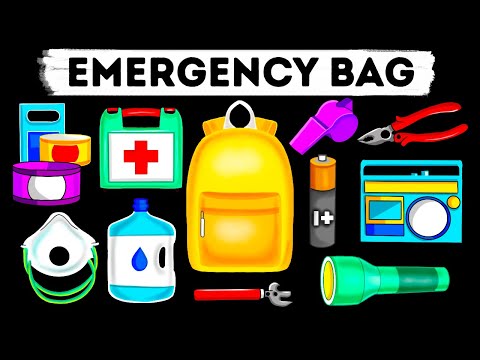
Your hurricane preparedness kit should include at least a three-day supply of water (one gallon per person per day), non-perishable food, a first-aid kit, flashlights with extra batteries, a hand-crank or battery-powered weather radio, important documents in waterproof containers, and any essential prescription medications. Do not forget to include supplies for pets, as many shelters do not accept animals.
Know Your Evacuation Zone
Local governments designate specific evacuation zones based on storm surge risk. Familiarize yourself with your zone and have a clear evacuation route mapped out well before hurricane season begins. Waiting until a storm is announced is often too late, as major highways can become gridlocked within hours of an evacuation order.
Secure Your Property in Advance
Install storm shutters or pre-cut plywood boards for windows, reinforce garage doors, trim overhanging tree branches, and ensure your gutter system is clear of debris. These steps do not prevent a hurricane, but they significantly reduce the likelihood of wind and water damage to your home.
Avoid Common Post-Storm Mistakes
After a hurricane passes, the temptation to walk or drive through floodwater is one of the most dangerous things a person can do. Floodwater often hides downed power lines, open manholes, sharp debris, and contaminated substances. Wait for official clearance before returning home, and never assume standing water is safe.
Frequently Asked Questions About Hurricane Dangers
What is the most dangerous part of a hurricane?
Storm surge is widely regarded as the deadliest hazard associated with hurricanes. The rapid rise of ocean water pushed inland by wind and low pressure can drown entire communities in minutes. Historically, storm surge has accounted for approximately half of all hurricane-related fatalities in the United States.
Can a Category 1 hurricane still be dangerous?
Absolutely. Even a Category 1 hurricane produces winds strong enough to cause structural damage, spawn tornadoes, and generate dangerous flooding. Many fatalities from lower-category hurricanes occur due to freshwater flooding and people ignoring evacuation orders, not because of wind speed alone.
How long after a hurricane is it safe to return home?
Wait for official confirmation from local authorities before returning. Hazards such as compromised structures, contaminated water, downed power lines, and displaced wildlife can persist for days or weeks after the storm passes. Additionally, mold growth can begin within 24 hours in water-damaged buildings.
What health risks exist after a hurricane?
Post-hurricane health risks include waterborne infections from contaminated floodwater, respiratory issues from mold exposure, injuries from debris and sharp objects, and mental health impacts such as post-traumatic stress disorder. The World Health Organization has documented significant increases in vector-borne diseases like dengue and malaria in hurricane-affected tropical regions.
How far inland can hurricane dangers extend?
Hurricane hazards can extend hundreds of miles inland. Flooding from tropical systems has caused catastrophic damage in areas over 200 miles from the coast. In 2017, Hurricane Harvey stalled over Texas and produced record-breaking rainfall and catastrophic flooding far from the Gulf Coast, demonstrating that inland communities are not immune to tropical cyclone dangers.
Conclusion
The dangers of hurricanes extend far beyond what most people imagine when they think about a tropical storm. Storm surge, extreme winds, catastrophic flooding, tornadoes, contaminated water, mold, and long-term infrastructure failures all combine to make hurricanes uniquely destructive among natural disasters. Whether you live on the coast or hundreds of miles inland, understanding these risks and preparing accordingly is not optional — it is a necessity. The storms are growing more intense in many regions, driven by warming ocean temperatures, and the communities that prepare most thoroughly are the ones that recover fastest. Take hurricane season seriously. Build your kit, know your evacuation route, secure your property, and never underestimate the power of tropical weather. Your life and the lives of your loved ones may depend on it.