Finding the best electricity provider for your home or business has never been more important — or more complex. With dozens of electric companies competing for customers, varying rate structures, renewable energy options, and hidden fees, the decision of which provider to choose can feel overwhelming. Whether you are a first-time energy shopper or someone looking to switch electric providers for better rates, understanding how to compare electric providers effectively can save you hundreds — even thousands — of dollars every year. This comprehensive guide walks you through everything you need to know, from decoding energy pricing to avoiding the most common switching mistakes.

Why Comparing Electric Providers Matters
In many deregulated energy markets across the United States, consumers have the power to choose their electricity supplier rather than relying solely on a single utility company. This competitive landscape means that electricity rates can vary dramatically from one provider to the next — sometimes by more than 30% for the same level of service. Simply accepting the default provider offered by your local utility often means leaving money on the table.
Beyond price, comparing electric suppliers gives you access to a wider range of energy plans, including fixed-rate options, variable-rate plans, green energy subscriptions, and bundled services. Each plan type serves different household budgets and energy consumption patterns, making direct comparison essential.
How to Compare Electric Providers Effectively
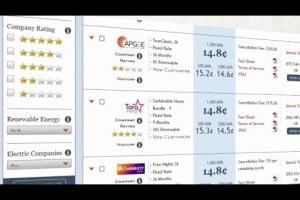
A smart comparison goes far beyond looking at the lowest advertised rate per kilowatt-hour. Several interrelated factors determine the true cost and value of an electricity plan.
Key Factors to Evaluate
- Rate Type: Fixed rates lock in your price for the contract duration, protecting you from market spikes. Variable rates fluctuate with wholesale energy prices and can save money during low-demand periods but carry more risk.
- Contract Length: Plans range from month-to-month agreements to 24- or 36-month contracts. Longer contracts often offer lower rates but come with early termination fees.
- Additional Fees: Watch for enrollment fees, monthly service charges, late payment penalties, and bill processing costs that inflate the effective rate.
- Renewable Energy Percentage: If sustainability matters to you, compare the percentage of renewable energy each provider sources versus traditional fossil fuels.
- Customer Service Reputation: Check ratings from the Better Business Bureau, Trustpilot, and state consumer protection agencies.
- Billing Flexibility: Some providers offer paperless billing, autopay discounts, budget billing, or mobile apps that simplify energy management.
Understanding Energy Plans and Pricing Structures
Before diving into specific provider comparisons, it helps to understand the electricity pricing models that dominate the market. Most providers offer some combination of the following:
- Fixed-Rate Plans: Your price per kilowatt-hour remains constant throughout the contract term, regardless of market conditions. These plans provide budget certainty and are ideal for households that want predictable monthly bills.
- Variable-Rate Plans: Prices change monthly based on wholesale market conditions. These can be advantageous when energy demand is low but carry the risk of sudden price increases during peak seasons.
- Indexed Plans: Rates are tied to a specific index, such as the wholesale natural gas price, meaning your bill moves in sync with market trends.
- Time-of-Use Plans: Electricity costs vary by time of day, rewarding consumers who shift heavy usage — like running dishwashers or charging vehicles — to off-peak hours.
The best providers will clearly disclose the plan type, rate structure, and all associated fees in their energy facts label (EFL), a standardized document required by most state regulators.
Top Electric Providers and What Sets Them Apart
While the available providers vary by state, several national and regional companies consistently rank well for competitive pricing, transparent terms, and customer satisfaction. Below is a comparison of what different types of providers typically offer:
| Provider Type | Pricing Advantage | Best For | Typical Contract |
| National Retail Suppliers | Competitive fixed rates, loyalty discounts | Budget-conscious households seeking stability | 12–36 months |
| Local Cooperative Utilities | Community-focused pricing, low base fees | Rural areas and community-minded consumers | Month-to-month or 12 months |
| Green Energy Specialists | 100% renewable sourcing, carbon offsets | Environmentally focused households | 12–24 months |
| Online-Only Providers | Lower overhead, app-based management | Tech-savvy consumers who prefer digital tools | 6–24 months |
When you compare electricity providers side by side, pay close attention to the average rate per kWh rather than promotional teaser rates that expire after three months. Many providers lure customers in with an attractively low introductory rate that jumps significantly once the promotional period ends.
Renewable vs. Traditional Energy Plans
One of the most significant decisions when evaluating providers is whether to choose a traditional fossil-fuel-based plan or a renewable energy plan. Green energy providers source electricity from solar, wind, hydroelectric, and biomass facilities. While these plans were once significantly more expensive, the rapid expansion of renewable infrastructure has narrowed the price gap considerably.
Some providers even offer 100% renewable plans at rates comparable to or only slightly above traditional options. If you are environmentally conscious, comparing the renewable percentage, energy source certificates (RECs), and whether the provider participates in community solar programs will help you identify genuinely green options versus those engaging in “greenwashing.”

Common Mistakes to Avoid When Switching Providers
Even experienced energy shoppers make avoidable errors during the provider comparison process:
- Falling for teaser rates: Always compare the rates that apply after any introductory period ends.
- Ignoring the base charge: A lower per-kWh rate can be offset by a high monthly service fee, inflating your total bill.
- Skipping the EFL: The Energy Facts Label contains critical details about rate structure, fees, and contract terms that are not always visible on marketing pages.
- Not reading cancellation terms: Early termination fees can erase any savings you earned by switching in the first place.
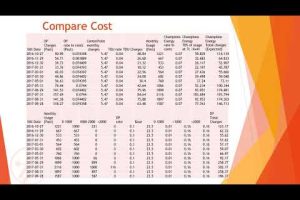
- Forgetting to check your usage history: Your actual savings depend heavily on your household’s monthly kilowatt-hour consumption, so compare plans against your real usage data.
Step-by-Step Guide to Switching Your Electric Provider
Once you have identified a better provider, the switching process is typically straightforward and does not interrupt your electricity service:
- Gather your recent electricity bill to confirm your average monthly kWh usage and current rate.
- Research providers available in your area using your state’s public utility commission website or a trusted comparison platform.
- Compare at least three to five plans using the factors outlined above, paying special attention to rates that match your consumption patterns.
- Review the Energy Facts Label for each plan you are seriously considering.
- Enroll with your chosen provider online or over the phone. Have your account number, address, and identification ready.
- Monitor your first bill after the switch to confirm the new provider is billing correctly and your rates match what you agreed to.
The entire process typically takes one to two billing cycles, and most providers handle the transition seamlessly with your existing utility delivery company.
Expert Tips for Maximizing Your Savings
- Sign up for energy alerts from your provider to track rate changes and market trends.
- Consider enrolling in a fixed-rate plan during the off-peak season, when demand — and prices — are typically lower.
- Use a smart thermostat and energy-efficient appliances to reduce your baseline consumption, amplifying the savings from any rate reduction.
- Re-evaluate your provider annually. Even if you signed a 12-month contract, the market changes rapidly, and better options may emerge.
Conclusion
Comparing electric providers is one of the simplest yet most impactful financial decisions a consumer can make. By looking beyond the headline rate and evaluating contract terms, fee structures, renewable options, and customer service quality, you position yourself to secure a plan that genuinely fits your household’s needs and budget. The energy market rewards informed shoppers, and taking even 20 minutes to compare providers could translate into meaningful savings over the life of your contract.
Do not settle for the default. Use the frameworks, comparison strategies, and warning signs outlined in this guide to confidently choose an electricity provider that delivers both value and reliability.
Frequently Asked Questions
How often should I compare electric providers?
You should compare electricity providers at least once a year, especially as your contract approaches its renewal date. Energy rates fluctuate seasonally, and providers frequently introduce new promotional offers that could save you significantly more than your current plan. Setting a calendar reminder for 60 days before your contract expires ensures you never miss an opportunity to find a better rate.
Will switching electric providers interrupt my electricity service?
No. Switching electricity suppliers does not affect your physical utility service. The same power lines, meters, and local infrastructure continue to deliver electricity to your home. Your local utility company remains responsible for maintenance, outage response, and meter reading regardless of which retail provider you choose.
What is the difference between my utility company and an electric provider?
Your utility company owns and maintains the local power grid — poles, wires, meters, and delivery infrastructure. The electric provider, also called a retail electric supplier, purchases or generates the actual electricity that flows through that grid and bills you for it. In deregulated markets, these are separate entities, which is why you can shop for a better provider while keeping the same delivery utility.
Some providers include hidden fees such as connection fees, disconnection fees, monthly account maintenance charges, or bill processing surcharges. Always request the full Energy Facts Label before enrolling, as it itemizes every fee and rate component. Reading customer reviews and checking complaint records with your state’s public utility commission can also reveal hidden cost issues.
Can I switch providers if I have a low credit score?
Yes, most electric providers do not require a credit check for residential customers on standard plans. However, some providers or certain plan types may require a security deposit if your credit profile does not meet their threshold. In most cases, this deposit is refundable after a satisfactory payment history period, typically 12 months.