When it comes to renovating a home or completing a new build, flooring is one of the biggest line items in any budget. Many homeowners assume that affordable flooring means sacrificing quality, durability, or aesthetic appeal. The truth is, the market today offers an impressive range of cheap flooring options that deliver stunning visuals, lasting performance, and easy installation — without draining your savings. Whether you are a first-time homeowner tackling a DIY project or a contractor looking for cost-effective materials for client jobs, understanding what is available can make all the difference. This guide breaks down the best budget-friendly flooring materials, compares their strengths and weaknesses, and gives you actionable advice to make the smartest choice for your space.
Why Affordable Flooring Deserves a Serious Look

Budget flooring has come a long way in the past decade. Advances in manufacturing technology mean that budget materials now mimic the appearance of premium options with remarkable accuracy. Low-cost flooring solutions are no longer just basic linoleum or bare concrete. Modern budget options feature realistic wood grains, stone textures, and sophisticated designs that elevate the look of any room. Beyond aesthetics, affordable flooring allows you to allocate your renovation budget toward other important areas like kitchen upgrades, bathroom remodels, or energy-efficient improvements. Choosing the right inexpensive floor covering also means easier replacement and more flexibility for future design changes.
Top Cheap Flooring Options Compared
Vinyl Plank Flooring
Vinyl plank flooring consistently ranks as one of the most popular cheap flooring options for good reason. Luxury vinyl planks, often called LVP, feature a waterproof core and a photorealistic image layer sealed under a protective wear layer. Prices typically range from $2 to $5 per square foot, making them one of the most budget-friendly choices available. Vinyl planks are waterproof, scratch-resistant, and comfortable underfoot thanks to their layered construction. They work well in kitchens, bathrooms, basements, and laundry rooms — anywhere moisture is a concern. Installation is straightforward using a click-lock floating floor method, and most homeowners can complete a room in a single weekend.
Laminate Flooring
Laminate flooring has been a go-to budget choice for decades. It uses a high-resolution photograph of wood or stone bonded to a dense fiberboard core and sealed with a melamine wear layer. Laminate costs between $1.50 and $4 per square foot, depending on the quality tier. It is exceptionally durable, resists fading from sunlight, and is easy to maintain with regular sweeping and occasional damp mopping. The main limitation is that laminate is not waterproof, though newer water-resistant laminate products have significantly improved on this weakness. Laminate works best in living rooms, bedrooms, hallways, and dining areas where moisture exposure is minimal.
Carpet Flooring
Carpet remains one of the most affordable floor coverings, especially for large open areas like bedrooms and family rooms. Broadloom carpet typically costs $1 to $3 per square foot, and area rugs can be even cheaper. Carpet provides warmth, softness, and natural sound insulation, making it ideal for spaces where comfort is a priority. Synthetic fibers like nylon and polyester offer excellent stain resistance at a low price point. However, carpet requires more maintenance than hard surface options, as it traps dust, allergens, and pet dander. It is also less durable in high-traffic areas and can show wear faster than hard flooring alternatives.
Engineered Hardwood Flooring
If you want the timeless beauty of real wood at a fraction of the cost, engineered hardwood is an excellent choice. Constructed with a real wood veneer bonded to multiple layers of plywood or high-density fiberboard, engineered hardwood typically costs between $3 and $7 per square foot — significantly less than solid hardwood. It is more dimensionally stable than solid wood, meaning it resists expansion and contraction caused by humidity changes. Engineered hardwood can be refinished one to two times depending on the veneer thickness, which extends its lifespan considerably. It is a smart middle-ground option for homeowners who want a premium look on a budget.

Polished Concrete Flooring
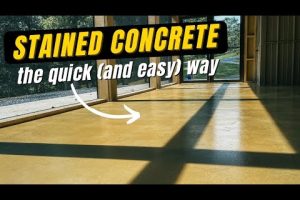
Polished concrete is an underrated budget flooring option, especially for basements, garages, and open-concept living areas. The material leverages the existing concrete subfloor, which is then ground, treated with a densifier, and polished to a smooth, reflective finish. Costs range from $3 to $8 per square foot depending on the level of polish and any decorative staining applied. Polished concrete is incredibly durable, low-maintenance, and resistant to moisture and pests. It has a modern, industrial aesthetic that pairs well with contemporary and minimalist interior design styles.
Comparison Table: Cheap Flooring Options at a Glance
| Flooring Type | Cost Per Sq Ft | Waterproof? | Durability | Best Rooms | DIY-Friendly? |
| Vinyl Plank | $2 – $5 | Yes | High | Kitchen, Bath, Basement | Very |
| Laminate | $1.50 – $4 | No (mostly) | High | Living Room, Bedroom | Very |
| Carpet | $1 – $3 | No | Medium | Bedroom, Family Room | Easy |
| Engineered Hardwood | $3 – $7 | No | High | Living Room, Bedroom | Moderate |
| Polished Concrete | $3 – $8 | Yes | Very High | Basement, Garage | Difficult |
Key Factors to Consider When Choosing Budget Flooring
Selecting the right affordable flooring material goes beyond just comparing prices per square foot. Several practical factors should guide your decision:
- Moisture Exposure — If the room is prone to spills, humidity, or flooding, prioritize waterproof options like vinyl plank or polished concrete. Avoid laminate and carpet in moisture-prone areas.
- Foot Traffic — High-traffic zones like hallways and living rooms need durable surfaces. Vinyl plank and laminate handle heavy use well, while carpet wears faster in busy areas.
- Subfloor Condition — An uneven or damaged subfloor can undermine even the best flooring. Budget-friendly options like laminate and vinyl can sometimes hide minor imperfections, but concrete subfloors need leveling first.
- Installation Costs — Floating floor options like vinyl plank and laminate typically have lower installation costs since they do not require glue, nails, or professional labor. Carpet installation is affordable but labor-intensive.
- Long-Term Value — Cheaper materials may need replacement sooner. Consider the cost-per-year of durability when comparing options.
Expert Tips for Maximizing Savings on Budget Flooring
Getting the most value out of your flooring budget requires a strategic approach. Here are practical recommendations that experienced installers and homeowners swear by:
- Buy closeout or overstock rolls — Flooring liquidation sales and factory closeouts can offer discounts of 30% to 50% off retail prices. Check local flooring warehouses and online liquidation sites.
- Time your purchase — End-of-season sales and holiday promotions often bring significant markdowns. Planning your project around these windows can save hundreds of dollars.
- DIY installation when possible — Click-lock vinyl and laminate systems are designed for DIY assembly, saving you $1 to $3 per square foot in labor costs compared to professional installation.
- Measure carefully and order 10% extra — Ordering too much wastes money, but ordering too little means costly rush orders. A 10% overage accounts for cuts, waste, and pattern matching.
- Use underlayment wisely — Some budget flooring options include attached underlayment, eliminating the need for a separate purchase. If not, choose a basic foam underlayment rather than premium cork for non-critical areas.
- Consider remnants and samples — For small rooms or accents, purchasing flooring remnants from big-box stores can dramatically reduce material costs.
Common Mistakes to Avoid When Choosing Cheap Flooring
Even with the best intentions, homeowners sometimes make costly mistakes when selecting budget flooring. Avoid these common pitfalls: choosing the thinnest grade of vinyl or laminate just because it is cheapest, which leads to premature wear and dissatisfaction. Ignoring subfloor preparation, which causes buckling, gaps, and premature failure. Skipping the warranty review — even affordable flooring products often come with lifetime warranties that protect your investment. And finally, falling for “too good to be true” pricing from unknown online retailers, which often means lower-quality materials or inconsistent sizing.
Long-Tail Keyword FAQs
What is the cheapest flooring option per square foot?
Carpet and basic sheet vinyl are generally the cheapest flooring options available, with costs starting as low as $1 per square foot installed. For hard surface alternatives, laminate flooring and basic luxury vinyl plank are the most affordable options that offer a modern, attractive appearance. While sheet vinyl and carpet have lower upfront costs, consider long-term durability and maintenance expenses when making your decision.
Is cheap flooring durable enough for a family home?
Absolutely. Modern budget-friendly flooring materials like luxury vinyl plank and laminate are engineered for durability. They feature scratch-resistant coatings, high-density cores, and wear layers rated for residential use. For a family home with children and pets, vinyl plank is an outstanding choice because it is waterproof, forgiving underfoot, and easy to clean. Laminate also performs well in family spaces, provided you avoid prolonged water exposure.
Can I install cheap flooring myself without professional help?
Most inexpensive flooring options are designed with DIY-friendly installation in mind. Click-lock vinyl plank and laminate systems snap together without glue or nails and float over existing subfloors. Carpet can be installed with a basic knee kicker and carpet cutter. However, concrete polishing and engineered hardwood with nail-down installation may require professional help. Always check the manufacturer’s installation guide before starting a DIY project.
Which cheap flooring looks the most expensive?
Luxury vinyl plank and high-resolution laminate are the two budget materials that most closely replicate the look of premium hardwood and natural stone. Modern manufacturing techniques produce photorealistic textures, realistic knot patterns, and authentic color variation. When paired with quality installation and proper maintenance, these options can fool even experienced eye into thinking they are costing five times more than their actual price point.
How long does budget flooring typically last?
The lifespan of affordable floor coverings varies by material and quality grade. Vinyl plank flooring typically lasts 15 to 25 years with proper care. Laminate floors last 15 to 20 years. Carpet has a shorter lifespan of 8 to 15 years depending on traffic levels. Engineered hardwood can last 30 to 50 years if the veneer is thick enough to allow refinishing. Choosing a higher quality tier within your budget category significantly extends the product’s useful life.
Conclusion
The idea that good flooring has to be expensive is a myth that modern manufacturing has thoroughly debunked. From waterproof vinyl plank to classic laminate flooring, cozy carpet, refined engineered hardwood, and sleek polished concrete, there is a budget-friendly option for every style, room, and lifestyle. The key is to match your material choice to the specific demands of each space — moisture levels, foot traffic, subfloor conditions, and your personal design preferences. By planning strategically, shopping smart, and considering long-term value over upfront cost alone, you can transform any room with beautiful, durable flooring that fits your budget. The best cheap flooring is not about finding the absolute lowest price — it is about finding the right balance of cost, quality, and performance for your home.