Your basement’s concrete slab is more than just a bare foundation—it’s a blank canvas waiting for transformation. Whether you are converting your below-grade space into a home gym, a cozy entertainment room, or extra living area, cement basement floor ideas have evolved dramatically over the past decade. Gone are the days when homeowners settled for cracked, gray slabs that trap moisture and look exactly like what they are: unfinished concrete. Today, homeowners are embracing polished finishes, decorative coatings, and smart subfloor systems that turn even the most overlooked basement into a functional, beautiful part of the home. If you are searching for practical yet inspiring ways to upgrade your basement flooring, you have come to the right place. This guide covers everything from surface preparation to advanced coating techniques, so you can choose the perfect look and finish for your space.
Why Your Cement Basement Floor Deserves More Than a Quick Paint Job
Before diving into specific cement basement floor ideas, it helps to understand why basement floors demand special attention. Unlike above-grade floors, basement slabs sit below the water table, making them vulnerable to moisture intrusion, hydrostatic pressure, and temperature swings. A basic coat of latex paint will peel, bubble, and flake within months because it cannot bond properly to damp concrete. The best approaches combine moisture management, surface preparation, and a finish designed for below-grade environments. Investing in the right system from the start saves thousands in repair costs and gives you a floor that actually looks great for years.
Top Cement Basement Floor Ideas for Every Budget
1. Epoxy Coating Systems
Epoxy basement floors remain the gold standard for concrete surfaces in below-grade spaces. A two-part resin system chemically bonds to the slab, creating a seamless, glossy surface that resists stains, chemicals, and mechanical wear. You can choose from solid-color epoxy, decorative flake finishes, or metallic epoxy that mimics the look of swirling marble or molten metal. Epoxy is ideal for workshops, laundry rooms, and gyms where durability matters most.
2. Polyaspartic Floor Coatings

If you want the look of epoxy with faster curing times, polyaspartic coatings are worth serious consideration. These aliphatic polyurethane-urea systems cure in hours rather than days, making them perfect for one-day installations. They also resist yellowing under UV exposure—a common complaint with traditional epoxy in windowsill-adjacent basement areas.
3. Polished Concrete
Polished concrete basement floors bring a modern, high-end aesthetic to any below-grade room. The process involves grinding the slab progressively with diamond-impregnated pads, then applying a densifier and sealer to achieve a reflective finish. You can stop at a matte honed look or push to a mirror-like 3000-gloss level. Polished concrete works beautifully in open-concept basements where you want an airy, contemporary feel.
4. Concrete Stain and Sealer Combinations
For homeowners who prefer a more organic, understated appearance, acid-based concrete stains and water-based acrylic stains penetrate the slab permanently. Unlike paint, which sits on top and chips, stain reacts chemically with the minerals in the concrete, creating rich earth tones like terra cotta, slate blue, and warm amber. Pair stained floors with a high-quality polyurethane or penetrating sealer to lock in the color and add protection.
5. Interlocking Basement Floor Tiles
Interlocking PVC or rubber tiles offer a modular approach to basement flooring. Each tile locks together without adhesive, making installation simple and allowing you to replace individual pieces if damaged. These tiles provide a cushioned, warm feel underfoot and are excellent for home gyms and playrooms. They also act as a moisture barrier when paired with a vapor barrier underneath.
6. Radiant Floor Heating Integration
For homeowners in colder climates, combining a cement basement floor finish with radiant heating is a game-changer. Hydronic tubing or electric heating mats installed beneath the slab or overlay system warm the floor from below, eliminating cold drafts and creating a comfortable environment year-round. Polished concrete and epoxy are particularly well-suited for radiant heat because they transfer and retain warmth efficiently.
Surface Preparation: The Most Overlooked Step in Basement Flooring
No cement basement floor idea will last without proper preparation. Skipping this stage is the number one reason coatings fail in below-grade spaces. Follow this checklist before applying any finish:
- Test for moisture using a calcium chloride test kit or a plastic sheeting vapor test. If moisture exceeds the coating manufacturer’s tolerance, install a moisture mitigation system before proceeding.
- Repair cracks and spalls with epoxy crack fillers or hydraulic cement. Hairline cracks should be routed and filled to prevent them from telegraphing through the finish.
- Grind or acid-etch the surface to open the pores of the concrete and create mechanical adhesion. A diamond grinder with 30- to 60-grit pads works well for most applications.
- Vacuum and blow out all dust using a HEPA-filtered vacuum. Any residual debris will compromise bond strength.
- Apply a primer if recommended by the coating system. Some epoxy and polyaspartic products include a built-in primer, while others require a separate base coat.
Comparing Popular Basement Floor Finishes
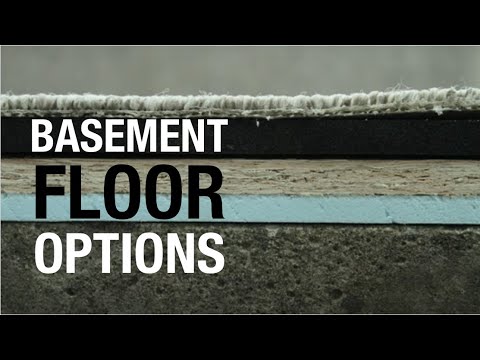
Choosing the right finish depends on your budget, aesthetic goals, and how the basement is used. The table below compares the most common basement floor coating options across key performance categories.
| Finish Type | Durability | Moisture Resistance | Cost per Sq Ft | Best For |
| Epoxy Coating | Excellent | Very High | $3–$7 | Workshops, laundry rooms |
| Polyaspartic Coating | Excellent | Very High | $5–$10 | High-traffic living spaces |
| Polished Concrete | Outstanding | High (with sealer) | $5–$12 | Modern, open-concept basements |
| Concrete Stain + Sealer | Good | Moderate | $2–$5 | Aesthetic, low-traffic areas |
| Interlocking Tiles | Good | High | $2–$6 | DIY-friendly, modular spaces |
| Paint + Sealer | Poor | Low | $1–$3 | Temporary or budget-only solutions |
The data makes it clear that paint alone is not a viable long-term solution for basement concrete. Even the most affordable epoxy systems dramatically outperform basic paint in moisture resistance and longevity.
Expert Tips for a Flawless Installation
- Work in dry conditions. Even with a good coating system, humidity above 85% can cause curing problems. Use a dehumidifier in the basement for at least 48 hours before and after application.
- Apply coatings in thin, even passes. Thick coats trap solvents and lead to bubbling or delamination. Two thin coats always outperform one thick coat.
- Use a notched squeegee followed by a foam roller. This technique eliminates roller marks and ensures uniform coverage across the entire slab.
- Add a non-slip additive to garage and workshop areas. Basements with workshop tables, equipment, or high foot traffic benefit from textured anti-slip broadcasts mixed into the coating.
- Wait at least 72 hours before heavy foot traffic and seven full days before placing furniture or vehicles back on the floor.
- Consider a decorative border or color scheme. Mixing two epoxy colors or adding a contrasting stripe along the perimeter elevates the look from industrial to intentional.
How to Choose the Right Cement Basement Floor Idea for Your Space
The best approach depends on three factors: how you use the basement, your budget, and the condition of the existing slab. A workshop or gym demands maximum durability and chemical resistance, pointing you toward epoxy or polyaspartic systems. A finished living room or home theater benefits from the refined elegance of polished concrete or stained and sealed floors. If you are on a tight budget and the basement is mostly storage, interlocking tiles provide an affordable, clean surface without professional installation.
Also consider long-term maintenance. Polished concrete requires minimal upkeep—just sweeping and occasional damp mopping with a pH-neutral cleaner. Epoxy floors resist stains but may need touch-ups in high-impact zones over time. Stained floors benefit from resealing every three to five years depending on foot traffic. Factor these ongoing costs into your decision alongside the initial investment.
Frequently Asked Questions
Can I install an epoxy basement floor over old paint or previous coatings? Generally, no. Epoxy requires a clean, porous concrete surface to bond properly. Old paint, sealers, or coatings create a barrier that prevents adhesion. You will need to grind or chemically strip the existing material down to bare concrete before applying any new system. Testing adhesion with a pull-off test after grinding is a smart precaution before committing to a full installation.
What is the best basement floor idea for a damp or humid environment? Polyaspartic coatings and properly installed interlocking tiles with a vapor barrier offer the best moisture protection. Both options create a physical barrier between the slab and the living space. Pairing either with a perimeter drainage system or sump pump further reduces moisture risk in persistently damp basements.
How long does a cement basement floor coating last? A quality epoxy or polyaspartic system typically lasts 10 to 20 years with proper care. Polished concrete can last the lifetime of the slab if maintained correctly. Stained floors with regular resealing also offer exceptional longevity, often exceeding 15 years in residential settings.
Is it possible to DIY a cement basement floor project? Yes, for interlocking tiles and some stain-and-sealer systems, DIY is very achievable. Epoxy and polyaspartic coatings are more challenging because they require precise mixing, temperature control, and consistent application technique. If you have experience with floor coatings, DIY installation is possible; otherwise, hiring a professional ensures a flawless, long-lasting result.
Will a basement floor coating help with waterproofing? Coatings and sealers improve surface-level moisture resistance but are not a substitute for proper exterior waterproofing. If water is actively entering through the slab walls or floor, address the source first—typically through exterior drainage, grading, or interior perimeter drainage channels—before applying any floor finish.
Final Thoughts on Cement Basement Floor Ideas
Transforming a bare concrete basement into a usable, attractive living space starts with choosing the right floor system. From durable epoxy coatings and cutting-edge polyaspartic finishes to the timeless elegance of polished concrete and the warmth of interlocking tiles, there is a cement basement floor idea for every style and budget. The key is investing in proper moisture management, thorough surface preparation, and a quality finish that matches your intended use. When done right, your basement floor becomes one of the most visually striking and functionally reliable surfaces in your entire home. Take your time planning, choose a system suited to your conditions, and enjoy a basement you will actually want to spend time in.