


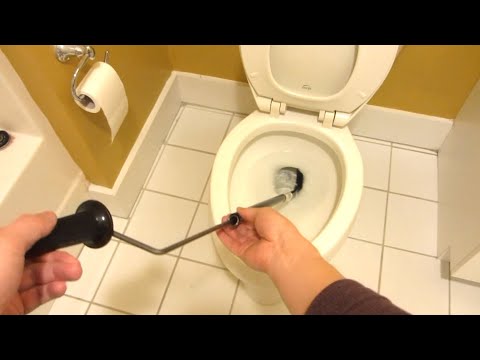
There are few moments more frustrating for a homeowner or plumber than realizing the tip of a plumbing snake has broken off inside a pipe. Whether you are dealing with a stubborn clog in a kitchen sink, a backed-up sewer line, or a blocked bathtub drain, a broken retrieval tip left behind in the plumbing system can turn a straightforward job into a full-blown plumbing emergency. A broken plumbing snake retrieval tip is not just an inconvenience — it can obstruct water flow, damage pipe walls, and even require expensive professional intervention if not addressed properly. In this comprehensive guide, we will walk you through everything you need to know about retrieving a broken plumbing snake tip from inside your pipes, covering proven methods, preventive strategies, and expert tips that save both time and money.
What Is a Plumbing Snake and Why Do Tips Break?
A plumbing snake — also known as a drain auger, drain snake, or cable auger — is a flexible coiled wire tool designed to break apart or extract clogs deep inside plumbing pipes. The snake retrieval tip is the cutting or grabbing end of the cable that physically contacts the obstruction. These tips come in various shapes, including corkscrew augers, cutting blades, and hooked ends, each engineered for specific types of blockages. Despite their durability, snake tips are not indestructible. They are subject to metal fatigue, corrosion, and extreme torque, all of which can cause the tip to snap off and remain lodged inside the pipe.
Common Reasons for a Broken Plumbing Snake Tip
Understanding why a plumbing snake tip breaks is the first step toward preventing it from happening. Below are the most common causes that professionals encounter on a regular basis.
Cable Fatigue and Metal Wear
Over time, repeated use causes the metal of the snake cable and its attached tip to weaken. The coil near the tip experiences the most stress during rotation, and after hundreds of uses, micro-fractures develop. Eventually, the tip can separate from the cable under pressure. This is especially true for cheaper or older augers that have not been properly maintained.
Forcing the Snake Through Hard Obstructions
Many users apply excessive force when a snake meets resistance. While a drain snake is built to handle tough clogs — grease buildup, hair clumps, small foreign objects — forcing it through extremely hard obstructions like compacted roots, concrete scale, or metal debris can snap the tip right off. A broken plumbing snake retrieval tip most commonly occurs when operators push too aggressively without rotating the cable at the correct speed.

Using the Wrong Tip Type for the Job

Not every plumbing snake tip is suited for every pipe or blockage type. Using a rigid blade tip on a flexible PVC pipe, for example, can cause the tip to catch and break. Similarly, a heavy-duty auger tip designed for large-diameter sewer lines is not appropriate for a small bathroom sink drain. Mismatched equipment dramatically increases the risk of tip failure.
Pipe Corrosion and Internal Roughness
Older pipes, especially galvanized steel and cast iron, develop internal corrosion and rough surfaces over the years. As the snake cable passes through these degraded sections, the friction accelerates wear on the tip and can cause it to catch and snap.
How to Retrieve a Broken Plumbing Snake Tip from a Pipe
Once you know the tip is broken and stuck inside the plumbing, the next challenge is getting it out. Fortunately, there are several proven methods for retrieving a broken plumbing snake retrieval tip, ranging from simple DIY techniques to more advanced approaches used by professional plumbers.
Method 1: Using a Retrieval Clamp or Magnetic Tool
If the broken tip is made of steel or another magnetic metal, a strong neodymium magnet or a specialized retrieval clamp can be your best friend. Here is how this method works:
- Access the pipe at the nearest available cleanout or removable section.
- Insert a flexible retrieval tool or a magnetic grabber into the pipe opening.
- Carefully maneuver the tool until it makes contact with the broken tip.
- Lock or clamp onto the tip and slowly pull it back out through the access point.
This method works best for tips that have not traveled far into the pipe system and are still within reach of the nearest access point.
Method 2: The Hook and Loop Retrieval Technique
For non-magnetic tips or situations where a magnet is insufficient, you can fashion a retrieval hook using a piece of stiff wire or a secondary auger cable. Bend one end into a small hook or loop, insert it into the pipe, and carefully snag the broken tip. Gently pull it back toward the opening. This technique requires patience and steady hands, but it is remarkably effective for tips lodged in straight pipe sections.
Method 3: Pushing the Tip Further Through the System
In some cases, the most practical solution is to push the broken tip through to the next cleanout, the main sewer exit, or a removable pipe section further downstream. This approach works well when:
- The broken tip is small enough to pass through the remaining plumbing without causing a new blockage.
- You have easy access to a downstream cleanout or junction.
- The pipe material and diameter can accommodate the passage of the metal fragment.
However, this method should only be used as a last resort if you are certain the tip will not cause damage downstream or get stuck in a narrower section of the plumbing.

Method 4: Using a Drain Camera for Guided Extraction
Professional plumbers often use a drain inspection camera to locate the exact position of the broken tip inside the pipe. Once visualized on a monitor, the technician can select the most appropriate extraction tool — whether a retrieval basket, a specialized clamp, or a targeted push-through approach. This method minimizes guesswork and reduces the risk of further damaging the plumbing system.
Preventive Measures to Avoid Broken Snake Tips
The best way to deal with a broken plumbing snake tip is to prevent it from happening in the first place. Follow these expert recommendations to protect both your tools and your plumbing.
Choose the Right Snake and Tip for Each Job
Always match your plumbing snake and tip type to the specific pipe material, diameter, and type of clog you are addressing. A heavy-duty sewer snake is not the right choice for a delicate bathroom sink, and vice versa.
Apply Proper Rotation and Pressure
Let the snake do the work. Maintain steady, controlled rotation and avoid slamming the cable into obstructions. Proper technique dramatically reduces the stress on the tip and extends the life of your equipment.
Inspect and Maintain Your Snake Regularly
Before every use, inspect the cable for signs of wear, kinking, or corrosion. Replace worn tips immediately. A well-maintained auger is far less likely to produce a broken tip that ends up stuck in your pipes.
Flush Pipes Before Snaking
If possible, flush the pipe with water before inserting the snake. This can soften grease buildup and loosen debris, making the obstruction easier to navigate without requiring excessive force.
Comparison of Retrieval Methods
| Method | Difficulty Level | Best For | Cost | Success Rate |
| Magnetic Retrieval | Easy | Steel tips in accessible pipes | Low ($5–$15 for magnet) | High for magnetic tips |
| Hook and Loop | Moderate | Small tips in straight pipe runs | Low (DIY wire or secondary cable) | Moderate |
| Push-Through | Easy | Small tips, downstream access available | Free | Moderate (depends on pipe layout) |
| Drain Camera Guided | Advanced | Hard-to-reach tips, complex pipe systems | Higher (professional equipment) | Very High |
FAQ: Broken Plumbing Snake Retrieval Tip
Can a broken plumbing snake tip cause a blockage further down the pipe?
Yes, it absolutely can. A broken plumbing snake retrieval tip that travels deeper into the plumbing system can lodge itself at a pipe joint, bend, or narrow section, creating a new and potentially worse obstruction than the original clog. This is why retrieval should be attempted as soon as the breakage is discovered.
How do you know if a snake tip has broken off inside a pipe?
Common signs include the snake cable not advancing further, unusual resistance or clicking sounds during operation, and the tip not rotating with the rest of the cable. If you suspect a breakage, stop using the snake immediately to avoid pushing the fragment deeper into the system.
Is it safe to leave a broken snake tip inside a pipe permanently?
No. Leaving a broken tip inside your plumbing is not recommended. Even a small metal fragment can corrode over time, potentially leaching into your water supply or creating rough surfaces where future buildup and blockages can develop. Retrieval should always be the priority.
What is the easiest DIY method to retrieve a broken snake tip at home?
The easiest do-it-yourself method is using a strong neodymium magnet if the tip is magnetic, or fashioning a small hook from a stiff wire and inserting it through the nearest accessible pipe opening. For tips that are close to the surface or near a cleanout, these low-cost approaches often resolve the problem without professional help.
Should I call a professional plumber for broken plumbing snake tip retrieval?
You should call a professional if the broken tip is located deep within your plumbing system, in a sewer line, or in pipes that are difficult to access. A licensed plumber with a drain camera and specialized retrieval tools can extract the fragment efficiently and inspect the pipe for any resulting damage. Attempting complex retrievals without the right equipment can lead to further complications.
Can a broken plumbing snake tip damage PVC or plastic pipes?
Yes, it can. A broken metal tip scraping against the interior walls of a PVC pipe can scratch and gouge the surface, weakening the pipe over time. These scratches become prime spots for future buildup and can eventually lead to leaks. Prompt retrieval is essential to protect the integrity of plastic piping systems.
Conclusion
A broken plumbing snake retrieval tip does not have to be a disaster. With the right knowledge, tools, and approach, you can successfully extract the fragment and restore your plumbing system to full working order. Whether you choose the magnetic retrieval method, a DIY hook technique, a strategic push-through, or professional camera-guided extraction, the key is to act quickly and avoid forcing the problem further into the pipes. Prevention remains your strongest ally — invest in quality equipment, use the correct tip for each job, and practice proper snaking technique to minimize the risk of future breakage. By staying informed and proactive, you protect your home, your pipes, and your wallet from the costly consequences of a broken plumbing snake tip left unaddressed.