


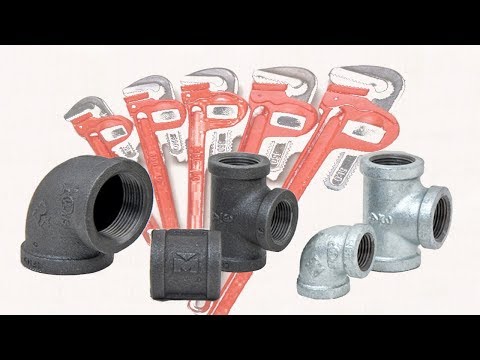
Black steel pipe has been a staple in plumbing and gas distribution for decades, and for good reason — it offers exceptional durability, structural strength, and reliability in demanding environments. Whether you are a DIY homeowner tackling your first plumbing project or a seasoned contractor looking to refine your technique, understanding the nuances of black steel pipe plumbing can make all the difference between a long-lasting installation and a costly repair job down the road. This guide covers everything from material selection and proper fitting techniques to code compliance and maintenance strategies that will help you get the most out of every connection.
Understanding Black Steel Pipe: Properties and Common Applications
Black steel pipe, also known as black iron pipe or black malleable pipe, is a carbon steel pipe with a dark-colored surface coating resulting from the manufacturing process. The name “black” simply refers to the scaly, dark iron oxide layer formed during hot-rolling, not any paint or coating. Unlike galvanized steel pipe, which has a zinc coating, black pipe is uncoated, giving it specific advantages and limitations depending on the application.
Black steel pipe is commonly used for:
- Natural gas and propane distribution lines
- Water supply lines in dry or interior environments
- Steam and heating systems
- Fire sprinkler systems
- Structural support and railings
- Air and compressed gas lines
One of the most important things to understand is that black steel pipe is not designed for outdoor water exposure without additional protection. The lack of a zinc coating means it will rust and corrode quickly when exposed to moisture over time. For any outdoor water application, galvanized pipe or a protective coating system is strongly recommended.
Essential Tools and Materials You Will Need
Before cutting into your first length of black pipe, make sure you have the right tools on hand. Using improper equipment is one of the fastest ways to compromise a pipe fitting and create a weak point in your system.

- Pipe cutter or hacksaw — A pipe cutter provides cleaner, more precise cuts than a hacksaw, reducing burrs that can interfere with threading.
- Threading machine or die set — For creating proper NPT (National Pipe Thread) connections on the pipe ends.
- Pipe reamer or deburring tool — Essential for removing sharp edges and burrs inside the cut.
- Adjustable wrench and pipe wrench — For tightening fittings and holding pipes steady.
- Teflon tape or thread sealant — For sealing threaded connections against leaks.
- Pipe thread compound — Provides a more durable seal than tape alone in some applications.
- Level and measuring tape — For accurate placement and alignment of runs.
Investing in a quality threading die set pays for itself quickly, especially if you plan to work with black steel pipe regularly. A well-threaded connection is the foundation of a leak-free plumbing system.
Step-by-Step Installation Tips for Black Steel Pipe
Installing black steel pipe correctly requires attention to detail at every stage. Follow these steps to ensure professional-quality results:
1. Measure and Cut with Precision
Always measure twice and cut once. Use a pipe cutter for the cleanest possible edge. After cutting, ream the inside diameter thoroughly to remove any burrs — even small fragments of metal can reduce water flow or create turbulence that leads to pressure issues over time.
2. Thread the Pipe Ends Properly
Threading is arguably the most critical step in black steel pipe installation. Apply steady, even pressure when cutting threads, and back the die off periodically to clear metal shavings. A clean, consistent thread pattern ensures a tight seal when the fitting is tightened. Use a tap and die oil to reduce friction and extend the life of your threading tools.
3. Apply Sealant to Threaded Connections
Wrap Teflon tape clockwise around the male threads (when viewing the end of the pipe) — typically three to five wraps depending on the pipe size. For larger diameter pipes or high-pressure applications, apply a liquid thread sealant over the tape for added protection. Never use Teflon tape or sealant on compression fittings, as it can interfere with the ferrule’s grip.
4. Tighten Connections Gradually
Do not overtighten threaded fittings in one motion. Tighten gradually, alternating between direction changes, to ensure even pressure distribution. Overtightening is a leading cause of cracked fittings and stripped threads in black steel pipe systems.

5. Support the Pipe Runs
Black steel pipe is heavy. Use appropriate pipe hangers, straps, and supports at regular intervals to prevent sagging and stress on connections. The general rule is to support horizontal runs every four to six feet, though local plumbing codes may specify different requirements.
Common Mistakes to Avoid with Black Steel Pipe Plumbing
Even experienced plumbers occasionally make errors when working with black steel pipe. Here are the most common mistakes and how to avoid them:
- Using black pipe for outdoor water lines without protection — This accelerates corrosion and can lead to leaks within a few years.
- Skipping the deburring step — Burrs inside the pipe restrict flow and can damage seals at fittings.
- Applying too much Teflon tape — Excess tape can actually create gaps in the seal or break apart and fall into the pipe interior.
- Mixing black pipe with galvanized pipe without proper adapters — Dissimilar metals can cause galvanic corrosion at the junction point.
- Ignoring local plumbing codes — Building codes dictate pipe sizing, support spacing, and allowable applications. Always check with your local authority before starting a project.
- Forgetting to account for thermal expansion — Steel pipe expands and contracts with temperature changes, so include expansion loops or flexible connectors in long runs.
Black Steel Pipe vs. Other Pipe Materials: A Comparison
Choosing the right pipe material depends on your specific application. Here is a detailed comparison of black steel pipe against other commonly used alternatives:
| Feature | Black Steel Pipe | Galvanized Steel Pipe | Copper Pipe | PEX Pipe |
| Corrosion Resistance | Low (without coating) | High (zinc coating) | High | Very High |
| Pressure Rating | Excellent | Excellent | Excellent | Good |
| Cost | Low | Moderate | Higher | Moderate |
| Ease of Installation | Moderate (threading required) | Moderate (threading required) | Moderate (soldering required) | Easy (push-fit or crimp) |
| Best For | Gas lines, structural, dry interiors | Water supply (interior) | Water supply (indoor/outdoor) | Water supply, flexible runs |
| Lifespan | 20–50 years (varies by environment) | 40–70 years | 50+ years | 25–50 years |
As the table illustrates, black steel pipe excels in gas distribution and structural applications but falls short in corrosion resistance compared to galvanized, copper, or PEX alternatives. Understanding these trade-offs is essential for making informed decisions on your plumbing project.
Maintenance and Longevity Tips for Black Steel Pipe Systems
A properly installed black steel pipe system can last decades with the right maintenance routine. Here are expert tips to extend the life of your black steel plumbing:
- Inspect threaded connections annually for signs of seepage, corrosion, or loosening. Early detection prevents small leaks from becoming major water damage events.
- Apply rust-inhibiting primer to any exposed black pipe surfaces, especially in humid or damp environments. A coat of oil-based primer followed by a paint topcoat provides effective protection against oxidation.
- Keep pipe runs dry — if condensation is an issue, consider adding pipe insulation sleeves to prevent moisture from contacting the steel surface.
- Replace fittings showing visible rust immediately. Corrosion at a fitting joint is a sign that the seal is compromised and failure is imminent.
- Flush sediment periodically in water-carrying black steel lines. Mineral buildup inside the pipe restricts flow and increases pressure on joints and fittings.
- Document your system layout — especially in commercial or multi-story applications. Having a clear map of your pipe runs makes future maintenance and troubleshooting significantly faster.
The Importance of Code Compliance in Black Steel Pipe Work
Every plumbing project involving black steel pipe must comply with local building codes and the applicable sections of the Uniform Plumbing Code (UPC) or International Plumbing Code (IPC). These codes define allowable pipe sizes, support spacing requirements, testing procedures, and approved applications. Violating these codes can result in failed inspections, costly rework, and safety hazards.
When in doubt, consult your local building department or a licensed plumber familiar with your area’s code requirements. Codes evolve over time, and what was acceptable five years ago may no longer meet current standards, particularly regarding gas pipe sizing and venting requirements.
Conclusion
Black steel pipe remains a versatile, affordable, and incredibly strong choice for certain plumbing and gas applications, but it demands respect for its limitations. By selecting the right material for the right application, using proper threading and sealing techniques, and staying on top of routine maintenance, you can build a black steel pipe system that performs reliably for years — even decades. The key is to approach every project with knowledge, precision, and a commitment to doing the work right the first time.
Frequently Asked Questions
Can black steel pipe be used for drinking water supply lines?
Black steel pipe is generally not recommended for potable water applications unless it has been properly coated or treated to prevent corrosion and contamination of the water supply. The uncoated carbon steel surface can rust over time, introducing iron particles into the water and creating an environment where bacterial growth can occur. In most jurisdictions, local plumbing codes will require approved materials for drinking water lines, which typically means copper, PEX, or CPVC rather than bare black pipe.
How do you prevent black steel pipe from rusting?
The most effective strategies for preventing rust on black steel pipe include applying a rust-inhibiting primer followed by a paint finish, keeping pipe runs dry through proper insulation, using drip legs and drainage points to prevent water pooling, and installing dielectric unions when connecting black pipe to dissimilar metals. For gas lines specifically, keeping the system dry and free of condensation is the primary defense against internal and external corrosion.
What is the difference between black steel pipe and black iron pipe?
In practical plumbing and construction terminology, black steel pipe and black iron pipe are essentially interchangeable terms referring to the same uncoated carbon steel product. Both feature the characteristic dark oxide surface layer and are threaded using NPT fittings. Some industry professionals make subtle distinctions regarding carbon content and manufacturing processes, but for virtually all residential and commercial plumbing applications, the two terms refer to the same material.
Is Teflon tape enough for sealing black steel pipe threads?
Teflon tape works well for sealing standard threaded black steel connections at low to moderate pressure, but it is not always sufficient on its own for high-pressure gas lines or larger diameter pipes. For critical or high-pressure applications, using a liquid pipe thread sealant in combination with Teflon tape provides a more robust and reliable seal. Always follow the manufacturer’s recommendations for the specific sealant product and the application pressure requirements.
Can black steel pipe be connected to PEX or copper without special fittings?
Directly connecting black steel pipe to PEX or copper without proper transition fittings can lead to galvanic corrosion — a chemical reaction that occurs when dissimilar metals are in contact with each other in the presence of an electrolyte like water. You must use approved transition couplings, such as brass dielectric unions or flexible stainless steel connectors, to bridge between black steel pipe and non-ferrous materials safely and code-compliantly.