


Transforming your outdoor space into a personal sanctuary starts with a well-executed backyard landscape design. Whether you are a novice gardener or a seasoned DIY enthusiast, reimagining your outdoor space requires more than just planting a few flowers. It involves blending hardscaping materials with lush softscaping to create an environment that reflects your lifestyle, elevates your home’s curb appeal, and enhances your mental well-being. A successful backyard transformation hinges on understanding spatial relationships, soil composition, and the natural flow of your yard. By strategically planning each element, you can craft an inviting retreat that seamlessly transitions from your indoor living space to the great outdoors.
The Foundation of Your Backyard Layout
Before you break ground, establishing a solid foundation is critical. A thoughtful yard plan prevents costly mistakes and ensures your outdoor living space functions harmoniously with the existing topography. Start by mapping out the dimensions of your property and noting existing features like trees, utility lines, and slopes. Understanding your soil composition is equally vital; healthy soil supports robust root systems and efficient drainage.
Assessing Your Existing Space
Every great design begins with a thorough assessment. Observe how sunlight moves across your yard throughout the day, identifying areas of full sun, partial shade, and deep shade. Pay attention to drainage patterns; water naturally flows to the lowest points, and failing to address this can lead to foundation issues or waterlogged plants. Take accurate measurements and create a basic sketch, marking the locations of your home and permanent structures.
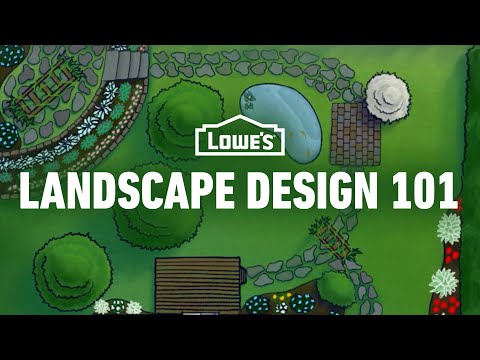
Defining Your Functional Zones
Modern outdoor spaces serve multiple purposes. When planning your residential landscaping, divide your yard into distinct functional zones to maximize usability.

- Entertainment Zones: Designate areas for outdoor dining, fire pits, or conversation nooks using durable hardscaping materials like natural stone or pavers.
- Recreational Zones: If you have children or pets, allocate a safe, open area for play or relaxation.
- Garden Zones: Establish dedicated beds for vegetables, perennials, or ornamental shrubs to add color and texture.
Balancing Hardscaping and Softscaping
The art of outdoor space design lies in the delicate balance between hardscaping and softscaping. Hardscaping refers to the non-living elements such as patios, walkways, retaining walls, and water features. Softscaping encompasses the living components—grasses, trees, flowers, and mulch. A cohesive design weaves these together seamlessly.
Hardscaping Essentials
Hardscaping provides the structural framework for your backyard landscape design. It defines pathways, creates privacy, and offers vertical dimension. When selecting materials, consider the architectural style of your home. A modern minimalist home pairs beautifully with sleek concrete and steel, while a rustic cottage benefits from the warmth of natural flagstone.
Softscaping Strategies
Softscaping breathes life into your hardscape. Choose a diverse palette of plants that offer varying heights, bloom times, and textures. Incorporate native species, as they are naturally adapted to the local climate and require less maintenance. Layering plants from tall background trees down to low ground covers creates a lush, multi-dimensional look that draws the eye.
Practical Design Strategies for Every Skill Level
Whether you are just starting out or looking to refine an existing yard plan, specific strategies are tailored to every experience level.
Beginner: Starting Simple
If you are new to DIY landscaping, resist the urge to overhaul the entire yard at once. Start with a single focal point, such as a newly constructed patio or a raised garden bed. Focus on soil health by adding high-quality compost, and choose forgiving, resilient plants. A simple layout reduces overwhelm and allows you to learn as you go.
Intermediate: Introducing Layering
Once you are comfortable with basic maintenance, elevate your game by introducing plant layering. Grouping plants in odd numbers creates a natural, curated look. Incorporate ornamental grasses for movement and sound, and use mulch to suppress weeds and retain moisture. This stage is also perfect for adding subtle landscape lighting to highlight your garden beds after sunset.
Advanced: Architectural Integration
For advanced designers, the focus shifts to architectural integration. Consider how your outdoor spaces mirror the interior of your home. Implement complex drainage solutions, custom-built pergolas, and intricate irrigation systems. Advanced projects often involve grading and leveling to create tiered landscapes that maximize space and visual impact.
Comparing Popular Backyard Design Styles
Choosing a design style sets the tone for your entire project. The right aesthetic can make your outdoor space feel like a true extension of your home interior. Below is a comparison of three popular approaches to help you decide which aligns best with your vision and maintenance preferences.
| Design Style | Key Features | Best For | Maintenance Level |
| Modern Minimalist | Clean lines, concrete, sparse plantings, geometric shapes | Urban homes, busy professionals | Low |
| Cottage Garden | Mixed borders, vibrant colors, winding paths, heirloom plants | Families, traditional homes | Medium to High |
| Xeriscape | Drought-tolerant plants, gravel, rock formations, efficient irrigation | Dry climates, eco-conscious homeowners | Low |
Expert Tips for a Stunning Outdoor Retreat
Executing a beautiful backyard landscape design requires attention to detail that separates amateur projects from professional results. Keep these expert recommendations in mind as you build your outdoor sanctuary.
- Focus on Focal Points: Every great design needs a visual anchor. This could be a stunning specimen tree, a cascading water feature, or an artistic planter. Focal points draw the eye and provide structure to the overall composition.
- Think About Privacy: Incorporate strategic planting or fencing to create secluded spaces. Tall shrubs, bamboo screens, or layered trellises can buffer noise and provide a sense of escape from neighboring properties.
- Prioritize Drainage: Water management is often overlooked in residential landscaping. Ensure your yard plan includes grading that directs water away from your home, and consider French drains if your property is prone to pooling.
- Embrace Seasonal Interest: Select plants that offer visual appeal across all four seasons. Early spring bulbs, summer blooms, autumn foliage, and evergreen structures ensure your backyard remains attractive year-round.
- Implement Landscape Lighting: Extend the usability of your yard into the evening hours with well-placed outdoor lighting. Pathway lights, spotlights, and string lights enhance safety while highlighting your favorite architectural and botanical features.
Frequently Asked Questions About Backyard Landscape Design
How do I start designing a backyard landscape from scratch? Starting from scratch begins with a comprehensive site assessment and a wish list of your needs. Measure your yard, note sun and shade patterns, and sketch out a functional layout. Focus first on structural elements like patios or pathways, then fill in the gaps with plants. Breaking the project into manageable phases makes the process far less overwhelming. Remember that flexibility is key; as your plants grow and seasons change, your needs and preferences will evolve too.
What are the best low-maintenance backyard landscape design ideas? Low-maintenance designs rely on smart plant selection and durable materials. Use native plants that thrive in local conditions with minimal watering, incorporate ground covers instead of high-maintenance turf grass, and opt for hardscaping features like gravel paths or decomposed granite patios. Xeriscaping principles are particularly effective for reducing yard work.
How much does it cost to design a backyard landscape? The cost of a residential landscaping project varies widely based on square footage, materials, and complexity. For a basic redesign focusing on plantings and a small patio, homeowners might spend between $3,000 and $10,000. Larger projects involving extensive hardscaping, irrigation, and custom features can easily exceed $25,000. Always get multiple quotes from reputable landscaping professionals.
How can I make my small backyard landscape design look bigger? Creating the illusion of space in a compact yard involves using forced perspective and vertical layering. Use lighter colors and fine-textured plants to make spaces feel more open. Incorporate mirrors or strategic lighting to draw the eye deeper into the space. Avoid large, monolithic patios in favor of defined, smaller zones connected by winding pathways.
What plants are best for a backyard landscape design in cold climates? In colder climates, prioritize cold-hardy perennials, native evergreens, and ornamental grasses that provide winter interest. Plants like hydrangeas, coneflowers, and junipers offer resilience against frost and snow. Choosing species native to your specific USDA hardiness zone ensures they survive the winter and return vigorously each spring.
Conclusion
A well-conceived backyard landscape design transforms an ordinary yard into an extraordinary extension of your living space. By understanding the interplay between hardscaping and softscaping, defining clear functional zones, and selecting a style that resonates with your personal taste, you are setting the stage for lasting outdoor enjoyment. Remember that great design is a process; it evolves as your plants mature and your needs change. Start with a solid foundation, implement your project thoughtfully, and watch as your backyard becomes the most cherished room in your home. Take your time, enjoy the process, and let your creativity flow as you shape a space that will bring joy for decades to come.