


Backyard do it yourself landscaping is one of the most rewarding home improvement projects you can tackle, and it doesn’t require a degree in horticulture or a massive budget to get started. Whether you are looking to transform a bare backyard into a vibrant outdoor retreat, increase your property value, or simply create a more functional and beautiful space for your family, DIY landscaping gives you complete creative control over every square foot of your outdoor environment. This comprehensive guide walks you through proven strategies, practical techniques, and expert-backed tips that will help you design, build, and maintain a stunning backyard landscape entirely on your own terms.
Why Backyard DIY Landscaping Is Worth Your Time and Investment
Hiring a professional landscaping company can cost thousands of dollars, and the results may not always reflect your personal vision. By choosing the do it yourself route, you save significantly on labor costs while gaining the satisfaction of building something with your own hands. Beyond the financial benefits, DIY landscaping allows you to learn deeply about your local soil conditions, microclimates, and the specific plants that thrive in your region. This hands-on knowledge means your landscape will be uniquely tailored to your environment, reducing long-term maintenance headaches and creating a space that truly feels like yours.
Key benefits of backyard DIY landscaping include:
- Significant cost savings compared to professional installation
- Complete creative freedom and personalization
- Improved understanding of your yard’s unique conditions
- A fulfilling hands-on project that increases property value
- The ability to evolve and expand your design over time
Planning Your Backyard DIY Landscaping Project
Assessing Your Current Yard and Setting Clear Goals
Before you dig a single hole or purchase a single plant, take time to thoroughly assess your existing yard. Walk through your space at different times of day and note where sunlight hits, where shade lingers, and where water tends to pool after rainfall. These observations are critical for making informed decisions about plant placement, hardscape features, and drainage solutions. Sketch a rough map of your yard, marking existing structures, utilities, slopes, and any problem areas. This baseline assessment will serve as your roadmap throughout the entire project.
Next, define your goals clearly. Are you aiming to create an outdoor entertaining area? A low-maintenance garden for relaxation? A play space for children or pets? Writing down your priorities helps you stay focused and avoid costly impulse decisions later. Consider how you currently use your backyard and how you would ideally like to use it, then bridge the gap with a phased approach that makes sense for your budget and timeline.
Creating a Layout That Works for Your Lifestyle
A successful DIY landscape design balances hardscaping and softscaping elements in a way that feels natural and functional. Hardscaping refers to non-living features such as patios, pathways, retaining walls, and water features, while softscaping encompasses plants, grass, trees, and mulch. The best backyard landscapes integrate both seamlessly.
When designing your layout, think in zones. Create distinct areas for dining, relaxing, gardening, and passage. Use curves and angles in your pathways and borders to add visual interest and make the space feel larger than it is. Always account for growth — plants fill in over time, and hardscape features need adequate clearance for maintenance access.
Essential DIY Landscaping Techniques for Every Skill Level
Beginner Projects to Get Started
If you are new to landscaping, start with manageable projects that deliver immediate visual impact without requiring advanced skills. These beginner-friendly tasks build confidence and set the foundation for bigger transformations:
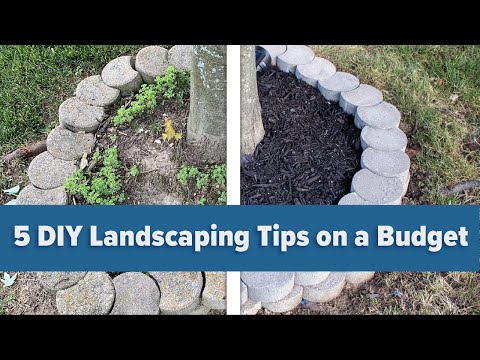
- Mulching garden beds: Spreading a 2-to-3-inch layer of organic mulch suppresses weeds, retains moisture, and gives planting beds a clean, finished look.
- Installing garden edging: Simple border edging along walkways and flower beds instantly defines your landscape and prevents grass from encroaching on planted areas.
- Building raised garden beds: Using untreated lumber or stone blocks, you can construct raised beds in a single weekend, creating ideal growing conditions for vegetables and flowers.
- Planting container gardens: Containers allow you to experiment with plant placement and add color to patios and decks with minimal investment.
Intermediate Upgrades That Transform Your Space
Once you have completed a few beginner projects, you can tackle more involved improvements that dramatically change the character of your backyard:
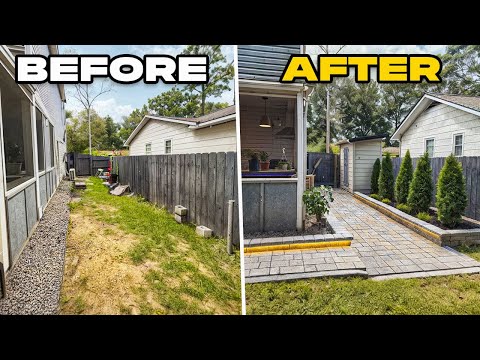
- Building a flagstone or paver patio: A well-constructed patio creates an outdoor living area perfect for dining and entertaining. Use a compacted gravel base and sand leveling course for a stable, long-lasting surface.
- Installing a drip irrigation system: Drip irrigation delivers water directly to plant roots, reducing waste and promoting healthier growth. DIY irrigation kits are widely available and easy to configure.
- Constructing a retaining wall: Segment retaining wall blocks stack without mortar and can manage slope erosion while adding dimension to flat yards.
- Creating a rain garden: A shallow, planted depression captures stormwater runoff, reducing erosion and supporting native pollinators.
Advanced Techniques for Pros-Level Results
For experienced DIYers ready to push their skills further, these advanced techniques deliver professional-grade outcomes:
- Grading and leveling: Proper grading directs water away from your home’s foundation and creates smooth transitions between landscape zones. Use a laser level and a rototiller to achieve precise results.
- Custom drainage systems: Installing French drains, channel drains, or dry creek beds manages excess water and protects your landscape from erosion during heavy rains.
- Hardscape pattern design: Complex paving patterns like herringbone, basket weave, or circular designs for patios add architectural sophistication and require careful planning and precise cutting.
- Soil amendment and preparation: Conduct a professional soil test to determine pH and nutrient levels, then amend accordingly with compost, gypsum, sulfur, or lime to create optimal growing conditions.
Choosing the Right Plants and Materials for Your DIY Landscape
Selecting plants and materials is where your personal style truly comes through in backyard DIY landscaping. Prioritize native and climate-adapted species whenever possible, as these plants are naturally suited to your local conditions, require less water, and support local ecosystems. Visit your nearest nursery and observe what thrives in the surrounding area — nature provides the best planting guide.
When choosing hardscape materials, consider durability, aesthetics, and long-term maintenance. Natural stone offers timeless beauty but can be expensive, while concrete pavers provide a cost-effective alternative with a wide range of styles and colors.
| Material | Best For | Cost Level | Durability |
| Natural Stone | Patios, walls, pathways | High | Very High |
| Concrete Pavers | Patios, walkways, driveways | Medium | High |
| Gravel / Crushed Stone | Mulch替代, pathways, drainage | Low | Medium |
| Cedar or Redwood Lumber | Raised beds, borders, pergolas | Medium | High (naturally rot-resistant) |
| Flagstone | Informal patios, stepping stones | High | Very High |
Budget-Friendly DIY Landscaping Hacks
You do not need a generous budget to create a beautiful backyard landscape. Some of the most impactful design choices are also the most affordable:
- Propagate plants from cuttings: Many perennials, shrubs, and even some trees can be started from stem cuttings, saving you the cost of purchasing new plants.
- Use free or reclaimed materials: Check local classifieds for free lumber, bricks, and stones. Repurposed materials add character and reduce your environmental footprint.
- Grow from seed: Starting annuals and vegetables from seed is far cheaper than buying nursery transplants, and many native wildflower seeds are very affordable in bulk.
- Phase your project: Tackle your landscape in phases over multiple seasons. This spreads costs out and allows you to observe what works in each area before committing to larger investments.
- Compost your kitchen and yard waste: Homemade compost enriches soil naturally and reduces the need for expensive fertilizers.
Common Mistakes to Avoid in Backyard DIY Landscaping
Even experienced DIYers can fall into traps that compromise their landscape’s long-term health and appearance. Being aware of these common pitfalls helps you avoid costly and frustrating errors:
- Planting too close to structures: Always account for a plant’s mature size, including root spread and canopy width, before placing it near your home, fence, or utility lines.
- Ignoring drainage: Water that pools in low spots or runs toward your foundation can cause structural damage and kill plants. Address drainage before planting.
- Overlooking soil preparation: Skipping soil amendment is one of the fastest ways to ensure poor plant performance. Invest time in building healthy soil before you plant.
- Choosing plants for instant gratification: Landscape plants need time to establish and fill in. Design with the mature look in mind and accept that your landscape will evolve.
- Underestimating maintenance requirements: Be honest about how much time you can dedicate to upkeep. Choose low-maintenance plants and materials that fit your lifestyle.
Maintaining Your DIY Landscape for Long-Term Success
A well-designed backyard DIY landscape thrives with consistent, seasonal maintenance. Create a simple maintenance calendar that includes spring soil preparation, summer watering and mulching, fall clean-up and planting, and winter pruning and planning for the next year. A 2-to-3-inch layer of mulch should be refreshed annually, and irrigation systems should be inspected each spring for leaks or clogged emitters. Regular weeding, fertilizing, and pest monitoring keep your landscape healthy and vibrant year after year.
Frequently Asked Questions About Backyard DIY Landscaping
1. How do I start DIY landscaping with no experience?
Begin with a small, well-defined area of your yard and start with basic projects like mulching, planting container gardens, or installing simple garden edging. Study your yard’s sunlight patterns, soil type, and drainage, and use free online design tools to sketch a simple layout. Focus on learning one skill at a time before moving on to more complex tasks.
2. What is the easiest backyard DIY landscaping project for beginners?
Building raised garden beds or spreading mulch across existing planting beds are among the easiest and most rewarding beginner projects. They require minimal tools, little specialized knowledge, and deliver visible results almost immediately, which builds confidence for bigger undertakings.
3. How much does it cost to DIY landscape a backyard?
Costs vary widely depending on yard size and scope, but a basic DIY backyard landscaping project typically ranges from $500 to $3,000 for materials like plants, mulch, soil, edging, and pavers. Larger projects involving patios, retaining walls, or irrigation systems can range from $2,000 to $8,000 or more, depending on materials chosen and square footage.
4. What are the best low-maintenance plants for a DIY backyard landscape?
Native perennials, ornamental grasses, drought-tolerant succulents, and evergreen shrubs are excellent low-maintenance choices because they are adapted to local conditions and require less watering, pruning, and pest management. Lavender, sedum, coneflower, and black-eyed Susan are popular, resilient options across many climate zones.
5. How do I make my DIY backyard landscape look professional?
Focus on repetition, simplicity, and clean edges. Repeating plant groupings and material choices creates a cohesive design. Keeping your layout simple — with clear pathways, defined zones, and balanced proportions — avoids a cluttered appearance. Consistent edging along beds and walkways instantly elevates the overall look.
Conclusion
Backyard do it yourself landscaping is a journey that combines creativity, practical problem-solving, and a deeper connection to the outdoor space you call home. By starting with thoughtful planning, choosing the right projects for your skill level, and committing to consistent maintenance, you can transform any backyard into a beautiful, functional, and personally meaningful landscape. The knowledge and skills you gain along the way only compound over time, making each successive project easier and more rewarding. Start small, think big, and enjoy every step of building the outdoor space you have always envisioned.