


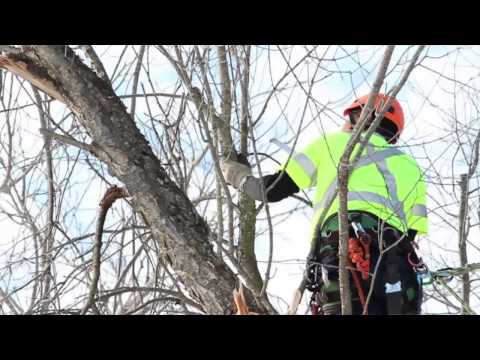
When most property owners think about maintaining their landscapes, they stop at basic mowing and occasional trimming. However, true tree health optimization goes far beyond surface-level aesthetics. Advanced tree care represents a specialized discipline within modern arboriculture that addresses the complex biological needs of your trees, ensuring they thrive for generations. If you want to protect your investment and elevate your landscape’s resilience, understanding these deeper methodologies is non-negotiable. This guide dives into the expert strategies that separate thriving ecosystems from merely surviving foliage.
Advanced Tree Care: Moving Beyond Basic Maintenance
Understanding the Difference Between Basic and Advanced Tree Services
Basic tree maintenance focuses primarily on safety and cosmetic appeal, including removing obviously dead branches and clearing debris. While necessary, this only addresses immediate symptoms rather than underlying vitality. Advanced tree care delves deep into the physiological and structural integrity of the tree. It involves predictive diagnostics, soil chemistry analysis, and proactive canopy management. When you shift from reactive pruning to proactive preservation, you fundamentally change how your trees respond to environmental stressors like drought and pest infestations. The goal is no longer just keeping the tree alive, but ensuring it grows vigorously and structurally sound.

Core Principles of Arboriculture Best Practices
To master tree health optimization, embrace the core principles of arboriculture best practices. First, every tree is an individual organism with unique needs dictated by species, microclimate, and soil composition. Second, the root system is just as important as the canopy; neglecting below-ground biology leads to surface-level failures. Third, prevention is exponentially more effective than treatment. Waiting for visible decline means the tree has already been compromised. By integrating these principles into your routine, you create a foundation where trees naturally defend themselves against pathogens and environmental pressures, transforming your yard into a resilient ecosystem.
Deep Root Injection and Nutrient Optimization
When Deep Root Injection Becomes Essential
Urban trees often suffer from compacted soil and nutrient depletion. Surface fertilization is rarely sufficient because nutrients wash away before reaching critical feeder roots. Deep root injection delivers liquid fertilizers, mycorrhizal inoculants, and bio-stimulants directly into the root zone using specialized pressure-injection equipment. This method bypasses compacted topsoil, ensuring vital nutrients are immediately accessible. It counteracts construction damage, drought stress, and chlorosis, particularly for mature trees requiring a significant nutrient boost to maintain canopy density and structural integrity.
The benefits of this targeted approach include:
- Enhanced nutrient uptake: Direct delivery bypasses surface runoff and nutrient lockout.
- Improved soil biology: Introducing mycorrhizae strengthens the symbiotic relationship between roots and fungi.
- Drought resilience: Deep hydration and nutrient conditioning help trees survive extended dry spells.
- Targeted pest resistance: Bio-stimulants boost the tree’s natural immune response to pathogens.
- Reduced environmental runoff: Nutrients are placed directly below the surface, preventing waterway contamination.
Canopy Thinning and Structural Pruning Techniques
Canopy Thinning vs. Canopy Reduction: What Property Owners Need to Know
Understanding canopy management nuances is vital for advanced tree care. Many homeowners confuse canopy thinning with canopy reduction, but these techniques serve different purposes. Thinning selectively removes specific branches throughout the crown to improve light penetration and air circulation, reducing wind resistance without altering size or shape. Canopy reduction involves cutting back major limbs to reduce height or spread. This technique is more aggressive and must be executed with precision to avoid creating entry points for decay. Knowing when to apply each method is critical for maintaining vitality and preventing structural failure during storms.
Steps for Effective Structural Pruning
Implementing structural pruning correctly requires a systematic approach to guide safe growth patterns:
- Assess the tree’s natural form: Every species has an inherent growth habit. Pruning should enhance this shape, not force an unnatural silhouette.
- Identify co-dominant stems: Look for V-shaped crotches prone to splitting under heavy loads.
- Remove crossing or rubbing branches: These create wounds inviting pests and decay fungi.
- Reduce weight on heavy limbs: Thinning the ends reduces leverage on branch attachments, preventing breakage.
- Evaluate clearance needs: Elevate limbs to allow traffic while maintaining the tree’s scaffold.
Tree Preservation During Construction
Implementing Root Protection Zones
Construction projects pose one of the greatest threats to mature trees. Heavy machinery compacts soil, severing critical feeder roots, while grade changes alter drainage. Advanced tree care must include robust preservation strategies during development. The cornerstone of this protection is the Root Protection Zone (RPZ). An RPZ is a circular area around the trunk, typically defined by the drip line, where no construction activity or soil compaction is permitted. Physical barriers like fencing enforce these zones. Installing air-spade trenches can relieve compaction before construction begins, preserving vital root architecture. Without precautions, a tree may appear healthy immediately after construction but decline rapidly as its root system starves and suffocates.
Tree Vitality Assessment and Pest Management Strategies
Reactive pest control is outdated. Modern advanced tree care relies on holistic strategies focusing on maintaining tree vitality so it can naturally resist infestations. Regular vitality assessments detect subtle changes in leaf color, bark texture, and cambium health before visible decline occurs. By integrating these assessments, you can intervene early with targeted treatments rather than broad-spectrum pesticides.
| Assessment Method | Best Application | Diagnostic Value |
| Visual Crown Inspection | Surface disease detection | Moderate; identifies external symptoms |
| Resistance Drilling | Internal decay detection | High; verifies structural integrity |
| Soil Chemistry Sampling | Nutrient deficiency diagnosis | High; identifies root zone imbalances |

When assessments reveal pest vulnerabilities, Integrated Pest Management (IPM) strategies should be deployed. IPM combines biological controls, cultural practices, and targeted chemical interventions only when necessary. This approach minimizes ecological disruption while effectively managing invasive species like emerald ash borers. By focusing on tree vitality assessment first, you empower the tree to participate in its own defense, creating a sustainable landscape model.
Practical Recommendations and Expert Tips
Implementing advanced techniques requires a shift in how you perceive your landscape. View trees as dynamic organisms requiring continuous, informed stewardship. Schedule annual diagnostic assessments with a certified arborist who understands soil science and canopy dynamics. Keep detailed records of growth patterns, pest occurrences, and pruning history; this data predicts future needs. Invest in proper mulching extending to the drip line, keeping mulch a few inches from the trunk to prevent rot. Never underestimate the power of adequate watering. Even established trees benefit from deep, infrequent watering during prolonged dry periods, especially combined with nutrient optimization techniques.
Conclusion
Elevating your landscape demands a commitment to advanced tree care methodologies that go far beyond basic trimming. By embracing deep root injection, strategic canopy management, and proactive preservation techniques, you safeguard your trees against the complex challenges of modern environments. Optimal tree health is the result of consistent, science-backed interventions and a deep respect for arboriculture best practices. Take the time to understand the unique needs of your trees, and they will reward you with unparalleled beauty, structural integrity, and environmental benefits for decades to come. Your landscape is an investment—treat it with the expertise it deserves.
Frequently Asked Questions
What is advanced tree care and why is it necessary? Advanced tree care refers to specialized arboriculture practices that go beyond basic pruning to address deep physiological and structural needs. It includes deep root injection, structural pruning, and predictive pest management. This approach is necessary because urban trees face unique stressors like soil compaction that basic maintenance cannot resolve. Utilizing these methodologies ensures trees live longer, healthier lives while maximizing safety and aesthetic value.
How can I optimize my tree root health in compacted soil? Optimizing tree root health in compacted soil requires mechanical intervention and targeted nutrient delivery. The most effective method is using an air spade to decompact the soil without severing roots, followed by deep root injection of mycorrhizal fungi and liquid fertilizers. Adding organic matter like composted mulch and ensuring proper drainage are also critical steps. These practices restore soil structure, allowing roots to expand, access oxygen, and uptake nutrients efficiently.
What is the best time for canopy thinning operations? The best time for canopy thinning depends largely on the species and climate, but late winter to early spring is generally preferred. During dormancy, trees heal pruning wounds more effectively before the spring growth surge, and the absence of leaves allows arborists to see the branch structure clearly. Thinning before the active growing season also reduces the risk of spreading foliar diseases, as many fungal pathogens are less active in colder months.
Structural pruning vs topping: which is better for tree longevity? Structural pruning is vastly superior to topping for tree longevity. Topping is a harmful practice that removes large canopy portions, destroying the tree’s natural form and forcing weak, fast-growing sprouts prone to breaking. Structural pruning selectively removes or reduces branches to guide strong growth patterns and eliminate co-dominant stems. This method maintains the tree’s natural defense mechanisms and structural integrity, significantly extending its lifespan.
How to implement tree preservation during construction projects? Implementing tree preservation during construction requires establishing strict Root Protection Zones (RPZ) before ground disturbance begins. Physical barriers like fencing must keep heavy machinery and stored materials away from the critical root area. Soil compaction must be prevented using temporary road platforms, and grade changes should be engineered to maintain natural drainage. Consulting a certified arborist early in the planning phase ensures preservation strategies integrate seamlessly into the construction timeline.