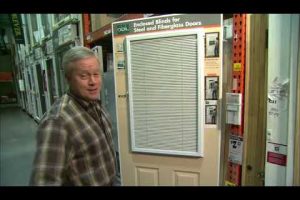
Door window coverings are one of the most practical yet underrated home improvement upgrades you can make. Whether you are dealing with a glazed door in your living room, a storm door with a decorative window panel, or a patio door that lets in too much light, the right covering transforms both function and aesthetics. In this comprehensive guide, we dive deep into everything you need to know about door window coverings, from the different types available to expert installation and maintenance tips that will help you make the best decision for your home.
Types of Door Window Coverings Available on the Market
The world of door window coverings is incredibly diverse, offering solutions for every style, budget, and functional need. Below, we break down the most popular categories so you can narrow down what fits your situation.
Interior Door Window Coverings
Interior door window coverings are designed to fit inside the door frame and provide privacy, light control, and decorative appeal from the inside of your home. These options are ideal for entry doors, French doors, and sliding glass doors that lead into living spaces.
- Door curtains and drapes – Fabric panels that attach via a rod, clip, or magnetic strip. They are affordable, widely available, and come in countless patterns.
- Decorative film and frosted overlays – Self-adhesive vinyl films that diffuse light while maintaining privacy. They are a no-fuss option for renters or homeowners seeking a temporary solution.
- Custom-fitted blinds – Mini blinds, vertical blinds, or cellular shades tailored to the exact dimensions of your door window.
- Door covers and panels – Rigid panels made of wood, MDF, or composite material that slide or hinge over the glass panel entirely.
Exterior Door Window Coverings
Exterior door window coverings serve a dual purpose: they protect the glass from weather damage and enhance the curb appeal of your home’s entrance.
- Storm door inserts and screens – Removable panels that fit within a storm door, offering protection while allowing ventilation.
- Security grates and bars – Metal frameworks that deter break-ins while still allowing light through perforated designs.
- Shutter-style covers – Functional and decorative louvers that can be opened or closed depending on the time of day.

Comparison Table: Interior vs. Exterior Door Window Coverings
| Feature | Interior Covers | Exterior Covers |
| Primary Purpose | Privacy, light control, decoration | Weather protection, security, curb appeal |
| Material Options | Fabric, vinyl, wood, composite | Metal, polycarbonate, treated wood |
| Installation Difficulty | Easy to moderate | Moderate to complex |
| Price Range | $15 – $150 per unit | $40 – $300+ per unit |
| Durability | Moderate | High (weather-resistant) |
| Best For | Entry doors, French doors, sliding doors | Patio doors, storm doors, front entry doors |
How to Choose the Right Door Window Covering
Selecting the perfect door window covering involves evaluating several key factors. Here is a step-by-step approach to guide you through the decision-making process.
- Measure your door window accurately. Use a metal measuring tape and record the width and height at three points: top, middle, and bottom. Use the smallest measurement to ensure a proper fit.
- Determine your primary goal. Are you looking for privacy, UV protection, insulation, or purely decorative enhancement? Your goal will dictate which type of covering suits you best.
- Consider your home’s architectural style. A modern minimalist home pairs well with sleek roller shades, while a traditional farmhouse entry looks stunning with wooden shutter-style covers.
- Set a realistic budget. Door window coverings range widely in price. Budget-friendly options like adhesive films start at around $10, while custom-crafted wooden panels can exceed $200.
- Think about maintenance. If you have pets or young children, choose materials that are easy to clean and resistant to damage.
Expert Tip: Always add roughly one inch to your measurements when ordering custom-sized coverings to account for mounting brackets and potential framing irregularities.

Benefits of Installing Door Window Coverings
Beyond aesthetics, door window coverings deliver a range of tangible benefits that many homeowners overlook.
- Enhanced privacy. A door window covering prevents outsiders from seeing into your home, which is especially important for ground-floor entry doors or homes positioned close to sidewalks.
- Energy efficiency. Cellular shades and insulated panels reduce heat transfer through the glass, helping regulate indoor temperatures and lowering energy bills.
- UV protection. Many coverings block harmful ultraviolet rays that can fade furniture, flooring, and artwork near the entryway.
- Increased home value. A well-chosen door window covering elevates the visual appeal of your entrance, making a strong first impression on guests and potential buyers.
- Child and pet safety. Certain coverings, such as shatter-resistant films, add an extra layer of protection against accidental breakage.
Installation Tips and Best Practices
Installing door window coverings correctly ensures longevity and optimal performance. Here are some recommendations based on years of professional experience.
- Use the right mounting hardware. Interior covers typically require a tension rod or adhesive mounting brackets, while exterior covers often need heavy-duty screws and anchors rated for outdoor use.
- Pre-drill holes carefully. When installing hard-mounted covers, pre-drilling prevents the door frame from splitting, especially if you are working with solid wood.
- Check for level alignment. An uneven covering looks unprofessional and can interfere with the door’s operation. Use a spirit level during every step of installation.
- Test functionality before finalizing. Open and close the covering multiple times to ensure smooth operation and that it does not obstruct the door sweep or threshold.
Maintenance and Care Guide for Door Window Coverings
Keeping your door window coverings in excellent condition extends their lifespan significantly and keeps them looking fresh year after year.
- Fabric covers: Vacuum or machine wash on a gentle cycle every two to three months. Spot-clean stains with a mild detergent solution.
- Wooden covers: Wipe down with a damp cloth and apply a wood-safe polish quarterly to prevent drying and cracking.
- Metal covers: Inspect for rust spots regularly and treat with a rust-inhibiting spray. Wipe down after exposure to rain or salt spray.
- Vinyl and film coverings: Clean with a soft sponge and non-abrasive cleaner. Avoid harsh chemicals that can degrade the adhesive or surface finish.
Frequently Asked Questions (FAQs)
What is the best door window covering for maximum privacy?
Custom-fitted blackout shades or solid wood door panels are the best options for maximum privacy. They completely block the view from the outside and also reduce light infiltration, making them ideal for bedrooms, bathrooms with adjacent entry doors, and ground-floor homes.
Can I install door window coverings myself without professional help?
Absolutely. Most interior door window coverings, such as adhesive films, tension rods, and clip-on blinds, are designed for DIY installation. Exterior covers that require heavy-duty mounting may benefit from a second pair of hands or a professional installer, but many homeowners successfully handle the project on their own with basic tools.
Are door window coverings energy-efficient?
Yes, certain types significantly improve energy efficiency. Cellular shades and insulated door panels create an air pocket between the glass and the interior surface, reducing heat loss in winter and heat gain in summer. This can lead to measurable savings on heating and cooling costs over time.
How do I clean glass door windows with installed coverings?
For removable coverings like curtains or clip-on blinds, simply take them off and wash separately. For fixed installations, use a squeegee and glass cleaner on the exposed window surface around the covering. Avoid spraying cleaner directly onto adhesive films; instead, apply the solution to a microfiber cloth first.
What material lasts the longest for exterior door window coverings?
Polycarbonate and powder-coated metal covers tend to have the longest lifespan for exterior use. Polycarbonate is virtually indestructible and resists fading, while powder-coated aluminum provides excellent corrosion resistance even in harsh coastal climates. With proper care, these materials can last 10 to 15 years or more.
Final Thoughts on Door Window Coverings
Door window coverings are far more than a decorative afterthought. They are a functional investment that enhances privacy, energy efficiency, security, and the overall aesthetic of your home’s entryway. Whether you opt for an affordable adhesive film, a custom-crafted wooden panel, or a sturdy exterior grille, the key is to choose a solution that aligns with your lifestyle, budget, and design preferences. Start by measuring carefully, exploring the options outlined in this guide, and selecting a product that delivers both beauty and long-lasting performance for years to come.