When it comes to dressing your windows and doors with both function and style, door window blinds stand out as one of the most versatile and practical solutions available to homeowners and interior designers alike. Unlike traditional curtains or drapes, door window blinds offer precise light control, enhanced privacy, and a clean aesthetic that elevates any room in your home or commercial space. Whether you are remodeling a kitchen, upgrading a sliding patio door, or simply looking for a fresh way to manage natural light, understanding the full scope of what door window blinds can offer is the first step toward making the right choice. This guide dives deep into the types, materials, benefits, and practical considerations that will help you select and maintain the perfect blinds for every doorway and window in your space.
What Are Door Window Blinds and Why Do They Matter?
Door window blinds are specialized window treatments designed to fit over doors and windows, providing adjustable coverage for light, privacy, and temperature control. They come in a wide range of materials, styles, and operating mechanisms, making them adaptable to virtually any architectural setting. From interior entry doors leading into sunrooms to exterior-facing sliding glass doors, these blinds serve as a functional layer that complements your home’s overall décor while solving real everyday problems.
The importance of door window blinds extends far beyond aesthetics. They help regulate indoor temperatures by blocking heat during summer and retaining warmth in winter. They reduce glare on screens and furniture, protect your interiors from harmful UV rays, and give you complete control over how much natural light enters a room. For homeowners in urban areas, they also provide an essential barrier against prying eyes without sacrificing the view entirely.
Types of Door Window Blinds

Choosing the right type of door window blinds starts with understanding the options available. Each style offers unique advantages depending on your room’s function, the level of light control you need, and your personal design preferences.
Venetian Blinds
Venetian blinds are perhaps the most recognizable type of door window blinds. They feature horizontal slats that tilt open and closed, giving you granular control over light and airflow. Available in aluminum, wood, and faux wood, Venetian blinds work beautifully in living rooms, bedrooms, and office spaces where a modern or classic look is desired.
Roller Blinds
Roller blinds use a single piece of fabric that rolls up and down via a spring or chain mechanism. They are sleek, minimal, and ideal for large door openings like sliding glass doors. Blackout roller blinds are particularly popular for bedrooms and media rooms where complete light blocking is essential.
Vertical Blinds
Vertical blinds hang from a track and feature individual vanes that rotate to adjust light flow. They are the go-to choice for patio doors, large windows, and wide doorways because they handle expansive surfaces gracefully without adding bulk.
Roman Blinds
Roman blinds fold into elegant horizontal pleats when raised, offering a soft, luxurious appearance. They are a fantastic choice for interior door windows and living areas where you want to blend functionality with a refined, upholstered look.
Panel Blinds
Panel blinds operate on a sliding track system and feature large fabric panels that glide to the left or right. They are ideal for oversized door windows and work seamlessly in modern, open-plan interiors.

How to Choose the Right Door Window Blinds
Selecting the perfect door window blinds involves more than picking a style you like at a glance. Several factors should guide your decision to ensure long-term satisfaction and performance.
- Measure your door or window precisely. Accurate measurements are the foundation of a proper fit. Measure both the width and height at multiple points, as doors and windows are rarely perfectly square.
- Consider the room’s purpose. Bathrooms and kitchens benefit from moisture-resistant materials like PVC or aluminum, while bedrooms may call for blackout fabrics for better sleep quality.
- Think about light control needs. If you want to filter light softly, choose lighter fabrics or slatted designs. If you need complete darkness, opt for blackout or room-darkening options.
- Match your interior style. Door window blinds should complement your existing furniture, wall colors, and overall design theme. Wood blinds suit warm, traditional interiors, while metal and fabric blinds pair well with contemporary spaces.
- Evaluate operating mechanisms. Chain-operated, cord-free, motorized, and wand-controlled blinds each offer different levels of convenience, safety, and aesthetic appeal.
Benefits of Installing Door Window Blinds
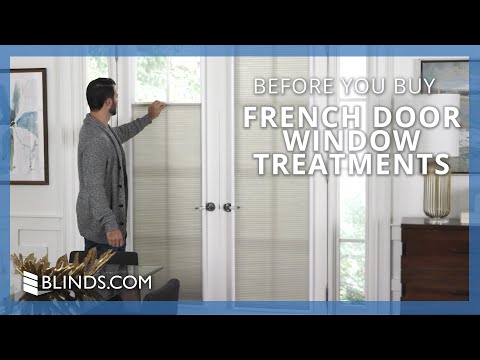
The advantages of installing door window blinds go well beyond simply covering a glass surface. Here is why so many homeowners and business owners are making the switch:
- Superior light control: Tilt slats or adjust fabric panels to let in exactly the right amount of natural light for any time of day.
- Enhanced privacy: Close your blinds fully to prevent outsiders from seeing inside, without needing to shut heavy curtains.
- Energy efficiency: Quality blinds create an insulating barrier against heat transfer, helping reduce HVAC costs year-round.
- UV protection: Blinds shield your floors, furniture, and artwork from sun damage that causes fading and discoloration over time.
- Easy maintenance: Most door window blinds are designed for quick cleaning, with smooth surfaces that resist dust accumulation better than fabric drapes.
- Increased property value: Well-chosen window treatments enhance curb appeal and interior desirability, making your home more attractive to potential buyers.
Installation Tips and Best Practices
Proper installation is critical to getting the most out of your door window blinds. Follow these expert recommendations to ensure a flawless setup.
- Always mount blinds inside the door frame or window recess for a clean, built-in look and to maximize the effective coverage area.
- Use a level during mounting to ensure slats or panels hang evenly and operate smoothly.
- For exterior doors and patio openings, choose blinds rated for UV and weather resistance if exposed to direct sunlight or moisture.
- Install child-safe cordless mechanisms in homes with young children or pets to prevent strangulation hazards.
- Double-check that the operating mechanism — whether a chain, wand, or motor — is easily accessible and functions smoothly before finishing the installation.
Maintenance and Care for Longevity
Keeping your door window blinds in excellent condition ensures they continue to operate smoothly and look great for years. Dust your blinds regularly using a microfiber cloth or a soft brush attachment on your vacuum cleaner. For deeper cleaning, remove individual slats or panels and wipe them with a mild soap solution. Avoid harsh chemical cleaners on wood or faux wood blinds, as they can strip the finish and cause warping. For fabric blinds, spot-clean stains promptly and follow the manufacturer’s care instructions for any removable covers.
Comparison: Best Door Window Blind Types by Use Case
| Blind Type | Best For | Material | Light Control | Price Range |
| Venetian | Living rooms, offices | Aluminum, wood, faux wood | Precision tilt control | Low to Medium |
| Roller | Patio doors, bedrooms | Fabric, PVC | Full open or close | Low to Medium |
| Vertical | Wide doorways, large windows | Fabric, vinyl | Vane rotation | Medium |
| Roman | Interior doors, living areas | Fabric, linen | Soft filter or blackout | Medium to High |
| Panel | Oversized openings, modern spaces | Fabric, polyester | Full or partial slide | Medium to High |
Frequently Asked Questions
How do I clean door window blinds effectively?
The most effective way to clean door window blinds depends on the material. For aluminum and vinyl blinds, close the slats to one side and wipe them with a damp microfiber cloth or use a sock dampened with a vinegar-water solution. For wood blinds, use a dry soft cloth or a lightly dampened one — never soak them. Fabric blinds can be vacuumed on a low setting with a brush attachment, and removable covers should be laundered according to the care label. Doing this weekly prevents dust buildup and keeps your blinds looking fresh.
What are the best door window blinds for bathrooms?
Bathrooms demand moisture-resistant materials, making PVC, vinyl, and aluminum the best choices for door window blinds in this environment. Avoid real wood or fabric blinds in spaces with high humidity, as they are prone to warping, swelling, and mold growth. Roller blinds with a waterproof coating or moisture-resistant vinyl slatted blinds are excellent options that combine durability with a clean, polished appearance.
Can door window blinds reduce energy costs?
Yes, door window blinds can contribute meaningfully to energy savings. By adjusting the slat angle or fabric position, you can block direct solar heat gain during hot months and close blinds at night to reduce heat loss during colder months. Studies suggest that reflective or light-colored blinds can reduce heat gain by up to 45%, which translates to lower cooling costs in summer. Insulated blinds or dual-layer designs offer even greater thermal performance for energy-conscious homeowners.
How do I measure for door window blinds?
Start by measuring the width and height of the door or window opening at three points — top, middle, and bottom — and use the smallest measurement to ensure a proper fit. For inside-mounted blinds, subtract 1/4 inch from the width and 1/2 inch from the height for clearance. For outside-mounted blinds, measure the entire area you want covered and add a few inches on each side for better light gap coverage. Always double-check your measurements before ordering to avoid returns or adjustments.
Are motorized door window blinds worth the investment?
Motorized door window blinds are absolutely worth the investment for homeowners who prioritize convenience, safety, and modern home automation. They eliminate the hassle of cords and chains, integrate seamlessly with smart home systems like Alexa, Google Home, and Apple HomeKit, and allow you to schedule opening and closing times for optimal energy efficiency. While the upfront cost is higher than manual blinds, the long-term benefits in comfort, safety, and ease of use make them a compelling choice for any home.
What is the difference between door blinds and regular window blinds?
The primary difference lies in size, mounting requirements, and structural reinforcement. Door window blinds are typically wider and sometimes taller than standard window blinds, requiring sturdier hardware and tracking systems to support the weight of larger panels or slats. They are also designed to withstand more frequent operation, especially in high-traffic areas like entry doors and sliding glass doors. While the materials and styles overlap significantly, door-specific blinds are engineered with durability and full-width coverage in mind.
Final Thoughts
Door window blinds are far more than a simple covering — they are a powerful tool for controlling light, privacy, energy efficiency, and interior design. With the right type, material, and installation approach, they can transform the look and feel of any space while delivering practical benefits that last for years. Whether you prefer the timeless elegance of wooden Venetian blinds, the clean simplicity of roller blinds, or the modern functionality of motorized panel systems, there is a door window blind solution perfectly suited to your needs. Take the time to measure carefully, choose materials that match your environment, and invest in quality products backed by solid warranties. Your windows and doors deserve the best, and with the right blinds, your entire home will feel more comfortable, polished, and intentional.