Keeping your home in top shape isn’t just about aesthetics — it’s about protecting your investment, ensuring safety, and creating a living space that genuinely supports your well-being every single day. Whether you’ve just moved into your first apartment or you’ve been owning a home for decades, home care tips can save you thousands of dollars in repairs while making your daily life far more comfortable and enjoyable. In this comprehensive guide, we’re diving deep into actionable strategies that cover everything from basic cleaning routines to advanced household maintenance techniques that most homeowners overlook. Consider this your go-to home care guide for practical, proven methods that actually work in real life.
Why Consistent Home Care Tips Make a Real Difference
Many homeowners think that maintaining a house means reacting to problems only after they become expensive emergencies. That mindset leads to cracked foundations, mold infestations, and electrical failures that could have been prevented with simple home maintenance tips. Consistent home care routines extend the lifespan of your appliances, reduce energy costs, and preserve property value over time. When you invest even fifteen minutes a day into household upkeep, you build a rhythm that keeps small issues from snowballing into major expenses. Think of home care advice the way you’d think of dental hygiene — small, consistent efforts prevent painful, costly problems later.
Building a Sustainable Home Care Routine
The foundation of any effective home upkeep strategy is a routine that fits your lifestyle. You don’t need to spend hours every weekend deep-cleaning; instead, focus on building sustainable habits. Start by assigning specific tasks to specific days. For example, Mondays can be for vacuuming and dusting, Wednesdays for bathroom sanitation, and Saturdays for outdoor maintenance like gutter clearing or lawn care. The key is consistency over intensity. A short daily checklist often outperforms marathon cleaning sessions that leave you exhausted and unmotivated.
Essential Home Care Tips for Beginners
If you’re new to managing a household, the sheer volume of tasks can feel overwhelming. That’s exactly why breaking things down into manageable categories makes all the difference. Here are foundational house care tips every beginner should adopt immediately.
- Create a cleaning schedule and stick to it. A visible calendar or digital reminder keeps you accountable and ensures nothing gets forgotten for weeks.
- Declutter regularly. Excess belongings collect dust, harbor allergens, and make every cleaning task take longer than it should.
- Check smoke detectors and carbon monoxide alarms monthly. These devices save lives, and their batteries need replacing at least once a year.
- Learn where your main water shut-off valve is located. In a burst pipe emergency, minutes matter, and knowing this single detail can prevent thousands of dollars in water damage.
- Wipe down kitchen surfaces after every meal. Grease and food particles attract pests and bacteria, turning a quick cleanup into a major sanitation job later.
These beginner-level home cleaning tips form the backbone of any household maintenance plan. Master them first before moving on to more complex tasks.
Intermediate Home Maintenance Strategies
Once your basic routines feel automatic, it’s time to level up with home upkeep tips that protect your home’s structural integrity and systems. Intermediate maintenance bridges the gap between routine cleaning and professional-grade care, and it’s where most homeowners see the biggest return on their effort.
Seasonal Home Care Checklists
Your home has different needs depending on the season, and a well-structured seasonal checklist ensures you’re always ahead of the curve. Here’s what intermediate homeowners should focus on throughout the year:
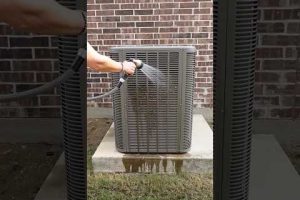
- Spring: Inspect your roof for winter damage, clean exterior gutters and downspouts, service your air conditioning unit, and check outdoor hoses for leaks.
- Summer: Deep-clean windows and screens, inspect your deck or patio for structural wear, test your irrigation system, and check attic ventilation.
- Fall: Service your furnace or heating system, clean chimney flues, seal windows and doors against drafts, and drain exterior faucets before freezing temperatures arrive.
- Winter: Monitor indoor humidity levels to prevent condensation and mold, check for ice dams on the roof, and maintain consistent thermostat settings to reduce strain on your heating system.
Appliance Maintenance That Actually Matters
Household appliances represent one of the largest investments in any home, yet most people neglect routine maintenance until something breaks. Running an empty hot water cycle in your washing machine monthly, descaling your dishwasher every three months, and cleaning your refrigerator condenser coils twice a year are all practical home care tips that add years to appliance life and improve energy efficiency noticeably.
| Appliance | Maintenance Task | Frequency |
| Refrigerator | Clean condenser coils and check door seals | Every 6 months |
| Washing Machine | Run hot water cycle with vinegar | Monthly |
| Dishwasher | Remove filter debris and run descale cycle | Every 3 months |
| HVAC System | Replace filter and check ductwork | Every 3 months |
| Water Heater | Flush sediment from tank | Annually |
| Dryer | Clean lint trap and exterior vent | After every load / Annually |
Advanced Home Care Techniques for Experienced Homeowners

For homeowners who have mastered the basics and intermediate strategies, advanced home care tips focus on prevention systems, energy optimization, and long-term preservation. These techniques require a bit more knowledge but deliver outsized results in terms of home longevity and cost savings.
Waterproofing your basement is one of the highest-impact advanced strategies most homeowners never consider until they have a flooding problem. Applying sealant to interior walls, installing a sump pump with a battery backup, and grading soil away from your foundation can completely eliminate basement moisture issues. Similarly, investing in a smart home monitoring system that tracks humidity, temperature, and water leak detection gives you real-time alerts before small problems become catastrophic damage.
Another powerful technique is seasonal HVAC balancing, which involves adjusting dampers in your ductwork to optimize airflow to different rooms. Most homes have hot and cold spots that waste energy and reduce comfort. Learning to balance your system takes about an hour but can lower annual energy bills by up to fifteen percent while keeping every room at a consistent temperature.
Expert Tips for a Well-Maintained Home

After years of working with homeowners and property managers, certain home care tips consistently stand out as the most impactful yet most overlooked. Here are expert-level recommendations that separate well-maintained homes from neglected ones:
- Keep a home maintenance binder or digital log. Track every repair, replacement, and inspection with dates and costs. This record becomes invaluable when selling your property or diagnosing recurring issues.
- Use natural cleaning solutions for daily maintenance. A mixture of white vinegar and water handles most surface cleaning effectively, saves money on chemical products, and is far safer for children and pets.
- Inspect your plumbing joints annually. Small drips from worn washers waste thousands of gallons of water over a year and inflate utility bills unnecessarily.
- Paint interiors every five to seven years. Fresh paint doesn’t just improve appearance — it creates a protective barrier against moisture intrusion and wall damage that often goes unnoticed until it becomes expensive.
- Invest in quality tools and store them properly. A good plumber’s wrench, a reliable stud finder, and a quality pressure washer will outlast cheaper alternatives and make every task faster and safer.
Frequently Asked Questions About Home Care Tips
What are the most important home care tips for first-time homeowners?
The single most important piece of home care advice for first-time owners is understanding your home’s systems. Locate your electrical panel, water main shut-off, and HVAC controls within the first week of moving in. Beyond that, establish a monthly cleaning routine, change your HVAC filter every three months, and schedule professional inspections for your roof and plumbing annually. Prevention always costs less than repair.
How often should I deep clean my home for optimal maintenance?
Most experts recommend a thorough deep cleaning every three to four months, with focused attention on areas like kitchen appliances, bathroom grout, and HVAC vents. However, households with pets, young children, or allergy sufferers may benefit from deep cleaning every six to eight weeks. A consistent deep cleaning schedule prevents buildup that turns into expensive remediation later.
Which household cleaning products are best for long-term home care?
For sustainable home maintenance tips, look for multi-surface cleaners that are free of harsh abrasives and sulfates. Brands with enzyme-based formulas work exceptionally well on organic stains, while hydrogen peroxide-based solutions provide powerful disinfection without toxic residues. Always avoid mixing bleach with ammonia-based products, as the chemical reaction produces harmful fumes that can cause serious respiratory damage.
How can I reduce home maintenance costs without sacrificing quality?
The best strategy is combining proactive prevention with smart DIY where appropriate. Learning to perform simple tasks like caulking windows, cleaning dryer vents, and replacing faucet washers saves hundreds of dollars annually. Pair this with an annual professional inspection budget of roughly two to three hundred dollars, and you’ll catch issues before they escalate into five-figure repair bills.
What seasonal home care tips should every homeowner follow?
Spring and fall are your most critical maintenance windows. In spring, focus on exterior tasks like cleaning gutters, inspecting siding, and servicing your cooling system. In fall, prioritize heating system checks, weather-stripping doors and windows, and protecting outdoor plumbing from freezing. Staying ahead of seasonal transitions is one of the most effective ways to keep your home in excellent condition year-round.
Can following regular home care tips actually increase property value?
Absolutely. Well-maintained homes consistently appraise higher and sell faster than neglected properties. Regular house care tips like fresh interior paint, updated fixtures, properly functioning HVAC systems, and a well-kept exterior contribute directly to curb appeal and appraised value. Buyers notice maintenance history, and a documented record of care signals that the property has been treated with long-term investment in mind.
Final Thoughts on Home Care Tips
The truth about effective home care tips is that they don’t require perfection — they require consistency. You don’t need to be a professional handyman or spend every weekend deep-cleaning every surface in your house. What you do need is a realistic plan, the right tools, and the willingness to address small issues before they become expensive disasters. Start with the basics covered in this guide, build habits gradually, and watch as your home becomes not just cleaner but healthier, more efficient, and more valuable over time. The best time to start a home care routine is today, and the second-best time is right after you finish reading this article.