If you are a Texas resident trying to figure out how to compare electric rates in Texas, you are not alone. Millions of Texans have the power to choose their electricity provider thanks to the state’s deregulated energy market. But with dozens of Retail Electric Providers (REPs), hundreds of rate plans, and confusing pricing structures, finding the best Texas electricity rates can feel overwhelming. This comprehensive guide walks you through everything you need to know — from understanding the deregulated market to comparing energy plans, reading contract details, and lowering your monthly bill. Whether you just moved to Houston, Dallas, Austin, or anywhere else in the Lone Star State, this article will help you make an informed decision and save real money on your electricity costs.
Understanding the Texas Deregulated Electricity Market
Texas operates one of the most unique energy markets in the United States. In 2002, the state deregulated its electricity industry, breaking up the traditional monopoly utility model and allowing consumers to shop for their electricity provider. The Electric Reliability Council of Texas (ERCOT) manages the flow of electric power to approximately 25 million Texas customers — covering about 90% of the state’s electric load. Understanding how this system works is the first step toward comparing electric rates in Texas effectively.
How Deregulation Changed Energy Shopping in Texas
Before deregulation, a single utility company handled both electricity generation and delivery. Today, the roles are split. Companies like Oncor and CenterPoint handle the transmission and distribution of electricity to your home, while Retail Electric Providers — such as Reliant, TXU Energy, Gexa Energy, and dozens of others — compete for your business by offering different rate plans and pricing structures. This competition is exactly what gives Texas consumers the ability to compare electric rates and find deals that traditional monopoly markets never offered.
The Public Utility Commission of Texas (PUCT) regulates the market and manages the Power to Choose Texas platform, which allows consumers to browse and compare plans from licensed providers in their area. This platform is an essential resource, but it can also be overwhelming without the right knowledge.
How to Effectively Compare Electric Rates in Texas
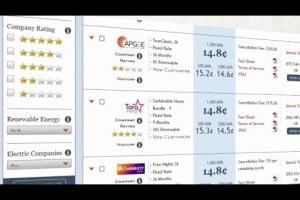
Comparing electricity rates in Texas is not simply about finding the lowest cents-per-kilowatt-hour number. A low advertised rate can hide fees, short contract terms, or variable pricing that spikes during peak demand. To truly compare electric rates in Texas and find the best deal for your household, you need to understand several key factors:

- Rate Type: Fixed-rate plans lock in your price per kWh for the duration of the contract, while variable-rate plans fluctuate with market conditions. Indexed plans are tied to a specific index like natural gas prices.
- Contract Length: Plans typically range from month-to-month contracts to 36-month agreements. Longer contracts often offer lower rates but less flexibility.
- Usage Tier: Many Texas providers structure rates around usage thresholds, meaning your rate changes depending on how much electricity you consume each month.
- Base Fee and TDU Charges: Delivery charges are separate from generation charges and are regulated by the PUCT. These fees appear on every bill regardless of which provider you choose.
- Renewable Energy Percentage: Green energy plans source a portion or all of your electricity from renewable resources like wind and solar, often at a slight premium.

Key Rate Metrics You Need to Know
When you are comparing electricity plans in Texas, pay close attention to these metrics that appear on the Electricity Facts Label (EFL) — a mandatory document every provider must publish:
- Average Rate (¢/kWh): This is the headline number, but it often assumes a specific usage level. Always check the rate at your actual monthly consumption.
- Fixed vs. Variable Rate: Fixed rates provide budget certainty, while variable rates may offer lower initial pricing but carry more risk.
- Early Termination Fee: If you switch providers or move before your contract ends, this fee applies.
- Minimum Usage Charge: Some plans charge a fee if your monthly usage falls below a certain threshold.
- Bill Credit Thresholds: Many plans offer credits if your usage exceeds a certain number of kWh per month.
Comparing Popular Electricity Plans and Providers in Texas
The Texas electricity market features dozens of providers competing for customers across deregulated service areas. Below is a comparison of some of the most popular retail electric providers, along with their typical plan offerings and rate ranges as of recent market data. Keep in mind that rates change frequently based on market conditions, seasonal demand, and your specific usage profile.
| Provider | Plan Type | Contract Length | Approx. Rate (¢/kWh) | Renewable Option |
| Reliant | Fixed Rate | 12–36 months | 12–18 ¢/kWh | Yes, up to 100% |
| TXU Energy | Fixed or Variable | 12–24 months | 13–19 ¢/kWh | Yes, green plans available |
| Gexa Energy | Fixed Rate | 12–36 months | 11–17 ¢/kWh | 100% Renewable |
| Frontier Utilities | Fixed Rate | 6–36 months | 10–16 ¢/kWh | Green options available |
| Bounce Energy | Fixed Rate | 6–24 months | 11–18 ¢/kWh | Yes, renewable plans |
| Cirro Energy | Fixed or Indexed | 12–36 months | 12–20 ¢/kWh | Solar and green plans |
| Discount Power | Fixed Rate | 12–36 months | 10–15 ¢/kWh | Limited green options |
Note: Rates shown above are estimates and can vary significantly by region within Texas, current market conditions, and individual usage. Always check the Electricity Facts Label (EFL) for your specific address before signing up. The deregulated service areas include major metros such as Houston, Dallas-Fort Worth, Austin, San Antonio, and surrounding communities served by ERCOT.
What Factors Influence Texas Electric Rates
Texas electric rates are influenced by a complex web of factors that go beyond simple supply and demand. Understanding these drivers helps you time your plan selection and avoid unexpectedly high bills.
- Natural Gas Prices: Since Texas generates a significant portion of its electricity from natural gas plants, fluctuations in natural gas prices directly impact generation costs and retail electricity rates.
- Seasonal Demand: Summer months drive massive spikes in electricity demand due to air conditioning usage, often pushing rates higher during June through September.
- Weather Events: Extreme weather, such as the February 2021 winter storm, can cause dramatic rate spikes and long-term market shifts.
- Transmission and Distribution Utility (TDU) Delivery Charges: These are set by the PUCT and passed through to all customers regardless of their REP.
- Renewable Energy Growth: Texas leads the nation in wind energy production, and the increasing share of wind and solar in the generation mix is gradually reshaping wholesale pricing patterns.
- Regulatory Changes: PUCT rulings on market rules, capacity mechanisms, and customer protections can impact the overall pricing landscape.
Expert Tips to Lower Your Electricity Bill in Texas
Even after you find a competitive rate through comparing electric rates in Texas, there are proven strategies to reduce your monthly consumption and save additional money:
- Switch to a fixed-rate plan: Locking in a stable rate protects you from market volatility, especially during summer peak seasons when rates can surge.
- Monitor your usage tiers: Many Texas plans offer bill credits at higher usage levels. If your household consumes consistently above those thresholds, you can unlock significant savings.
- Choose a 100% renewable plan: Wind energy is abundant in Texas, and green plans are often competitively priced — sometimes even cheaper than conventional options.
- Use smart thermostats and energy-efficient appliances: Reducing your kWh consumption directly lowers your bill, regardless of your rate per kWh.
- Compare plans every renewal cycle: The Texas electricity market is dynamic. Rates change frequently, and loyalty to one provider can cost you money if a better deal emerges.
- Check your TDU delivery area: Your TDU charges are fixed by region, but understanding them helps you calculate your true all-in cost when comparing plans.
Conclusion
Comparing electric rates in Texas gives consumers a powerful advantage that most Americans do not have. The deregulated market creates genuine competition, which translates into more plan options, competitive pricing, and the freedom to choose a provider that aligns with your budget and values. By understanding the key metrics, reading Electricity Facts Labels carefully, timing your switch strategically, and staying informed about market conditions, you can secure a great electricity rate and keep more money in your pocket every month. Do not settle for the default — take control of your energy choices and make Texas work for you.
Frequently Asked Questions
What is the best way to compare electric rates in Texas for my specific home?
The most effective method is to enter your ZIP code on the Power to Choose Texas website or a reputable third-party comparison platform. You will see all available plans in your specific ERCOT service area, complete with rates, contract terms, and Electricity Facts Labels. Always compare rates at your actual average monthly kWh usage to get an accurate picture of your potential bill.
How often should I compare Texas electricity rates to find the best deal?
Experts recommend comparing electric rates in Texas at least once every contract cycle — typically every 12 to 36 months. Rates fluctuate based on wholesale market conditions, natural gas prices, and seasonal demand. If you are on a variable-rate plan or your fixed-rate contract is nearing expiration, comparing again is especially important to avoid overpaying.
Are fixed-rate or variable-rate plans better for Texas electricity consumers?
Fixed-rate plans are generally recommended for consumers who want budget predictability and protection from market spikes. Variable-rate plans can offer lower initial rates and flexibility but carry the risk of price increases during high-demand periods. The best choice depends on your risk tolerance, budget, and how long you plan to stay in your home.
Can I switch electric providers in Texas without interruption to my service?
Yes. Switching providers in Texas does not interrupt your electricity service. The local utility (such as Oncor or CenterPoint) continues to deliver power to your home, and the only change is the company billing you for generation. The switching process is seamless and typically takes one to two billing cycles to fully transition.
What are typical electric rates per kWh in Texas right now?
Texas residential electricity rates generally range from approximately 10 to 20 cents per kWh, depending on your location, usage level, plan type, and current market conditions. Urban areas like Houston and Dallas may see slightly different rates compared to rural regions within the ERCOT grid. Always check the EFL for real-time, plan-specific pricing.