When you think about increasing the overall value of your home, few projects deliver the kind of dramatic transformation that a home remodeling kitchen project can provide. Whether you are tired of a cramped galley layout, outdated appliances, or a design that simply no longer reflects your personal style, a well-planned kitchen renovation can completely change the way you live, cook, and entertain. In today’s housing market, potential buyers consistently rank the kitchen as the single most important room when evaluating a property. That reality alone makes investing time, effort, and resources into a thoughtful kitchen redesign one of the smartest decisions any homeowner can make. This comprehensive guide walks you through everything from initial budgeting and layout planning to material selection, professional hiring tips, and the latest design trends that are shaping modern culinary spaces.
Why Kitchen Remodeling Is One of the Highest-Value Home Investments
Unlike cosmetic updates such as fresh paint or new light fixtures, a full kitchen remodel addresses both form and function at a foundational level. According to industry reports from leading remodeling associations, a professional-grade kitchen renovation typically recovers between sixty and eighty percent of its cost at resale. That return on investment places kitchen projects among the top-performing home improvements available today. Beyond the financial upside, however, the daily quality-of-life benefits are equally compelling. A redesigned workflow can cut your meal preparation time in half, better storage solutions reduce daily clutter, and energy-efficient appliances lower utility bills over the long term. When you combine these tangible benefits with the personal satisfaction of cooking in a space you genuinely love, the value proposition becomes impossible to ignore.
Planning Your Kitchen Remodel From Start to Finish
Successful kitchen transformations do not happen by accident. They begin with a structured plan that accounts for your lifestyle, budget, and aesthetic preferences. Skipping the planning phase is the number one mistake homeowners make, and it almost always leads to costly changes mid-project. Here is how to approach each critical step.
Setting a Realistic Budget for Your Kitchen Redesign
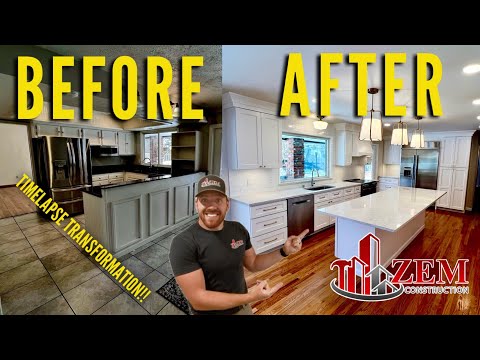
Budgeting for a kitchen remodel requires honesty about what you can comfortably afford without stretching into dangerous financial territory. As a general benchmark, mid-range kitchen renovations in the United States average between twenty-five thousand and fifty thousand dollars, while high-end projects can easily exceed one hundred thousand. Your budget should account for cabinetry, countertops, flooring, lighting, appliances, plumbing adjustments, labor costs, and a contingency fund of at least ten to fifteen percent for unexpected expenses. Prioritize your spending by identifying which elements matter most to your daily routine and which areas you can compromise on without sacrificing overall quality.
Choosing the Right Layout for Your Cooking Workflow

The layout of your kitchen determines how efficiently you can move between the sink, stove, and refrigerator, a concept designers call the work triangle. Popular configurations include the L-shaped layout, which maximizes corner space and creates natural zones for cooking and prep; the U-shaped layout, which offers abundant countertop and storage on three sides; the galley layout, ideal for narrow spaces and quick, efficient workflows; and the island-forward design, which adds seating, storage, and a social hub to open-concept spaces. Before committing to a specific arrangement, spend a week observing how you currently use the kitchen. Note where bottlenecks occur, what storage you wish you had, and whether the existing layout supports or hinders your cooking habits.
Top Kitchen Remodeling Trends Shaping Modern Culinary Spaces
Design trends evolve, but the best ones are those that combine visual appeal with genuine practicality. Here are the trends gaining the most traction in 2024 and beyond.
- Two-Tone Cabinetry: Pairing navy or matte-black lower cabinets with white or soft-tone uppers adds depth and visual interest without overwhelming the space.
- Open Shelving and Glass-Front Cabinets: These alternatives to traditional enclosed storage create an airy feel and allow homeowners to showcase curated dishware and decorative pieces.
- Integrated Smart Appliances: Refrigerators with internal cameras, ovens with Wi-Fi connectivity, and voice-activated faucets are moving from luxury extras to mainstream expectations.
- Large Format Tile and Natural Stone: Oversized subway tiles and book-matched marble veining reduce grout lines and create a seamless, luxurious surface appearance.
- Warm, Earthy Color Palettes: After years of minimalist cool tones, homeowners are gravitating toward warm whites, terracotta accents, and sage greens that create inviting, comfortable environments.
Material Choices That Boost Value, Durability, and Style

Selecting the right materials is one of the most consequential decisions in any kitchen renovation project. The wrong choice can lead to premature wear, costly repairs, and an aesthetic that feels disconnected from the rest of your home. The right choice, on the other hand, delivers years of beauty and functionality with minimal maintenance.
Countertop Comparisons: Which Material Fits Your Needs?
Countertops endure more daily abuse than almost any other surface in the home, so choosing wisely matters. Below is a comparison of the most popular options.
| Material | Durability | Cost Range (per sq ft) | Best For |
| Quartz | High; non-porous, scratch-resistant | $60-$120 | Low-maintenance households wanting consistent patterns |
| Granite | Very high; natural heat resistance | $70-$175 | Unique veining and long-term investment value |
| Marble | Moderate; prone to etching | $100-$250 | Luxury aesthetics and baking enthusiasts |
| butcher block | Moderate; requires periodic oiling | $40-$100 | Warm, rustic kitchens and active prep work |
| Laminate | Moderate; budget-friendly | $20-$50 | Renters or homeowners prioritizing cost savings |
Flooring Options That Balance Beauty and Practicality
Kitchen floors take a beating from foot traffic, spills, heavy appliances, and dropped utensils. Porcelain and ceramic tile remain popular choices because they resist water damage and come in virtually unlimited designs. Engineered hardwood offers the warmth of real wood with improved moisture resistance, making it a strong contender for homeowners who want a softer feel underfoot. Luxury vinyl plank has emerged as a budget-friendly alternative that mimics the appearance of natural stone or hardwood without the maintenance demands. No matter which option you choose, ensure proper underlayment and sealing to protect against the inevitable kitchen spills that occur during daily life.
Hiring the Right Professional Versus Going the DIY Route
The decision to hire a professional contractor or tackle a kitchen renovation yourself depends on your skill level, available time, and the complexity of the project. Simple cosmetic refreshes such as painting cabinets, updating hardware, and installing new lighting can absolutely be DIY projects that save thousands of dollars. However, any remodel that involves structural changes, plumbing relocation, electrical rewiring, or appliance upgrades that require gas line work should be left to licensed professionals. Always verify that your contractor holds proper licensing and insurance, request detailed written estimates from at least three candidates, and check references thoroughly before signing a contract. A well-chosen professional not only ensures code compliance and safety but also provides access to trade relationships that can secure better material pricing than you could achieve on your own.
Long-Tail Keyword FAQs About Kitchen Remodeling
1. How much does it cost to remodel a small kitchen on a budget?
A small kitchen remodel on a tight budget typically ranges from ten thousand to twenty thousand dollars when you focus on cosmetic updates rather than structural changes. Repainting existing cabinets, replacing hardware, installing peel-and-stick backsplash tiles, and upgrading lighting fixtures can deliver a dramatic transformation at a fraction of the cost of a full gut renovation. Shopping during off-season sales and purchasing appliances from scratch-and-dent outlets can further reduce expenses without sacrificing quality.
2. What is the best kitchen layout for a small space?
The L-shaped layout is widely considered the best option for small kitchens because it utilizes two adjacent walls to create a natural work zone while preserving open floor space. Adding a narrow rolling cart or a fold-down breakfast bar can provide extra prep area and seating without permanently sacrificing valuable square footage. Avoid island layouts in kitchens under one hundred square feet, as they tend to create congestion rather than the openness they are meant to provide.
3. How long does a typical kitchen remodeling project take?
A standard kitchen renovation usually takes between six and twelve weeks from start to finish, depending on the scope of work. Cosmetic updates like cabinet refacing and fixture replacements can be completed in two to four weeks, while full gut remodels involving layout changes, new plumbing, and custom cabinetry typically require eight to twelve weeks or longer. Always build buffer time into your project schedule to account for material delays, inspection requirements, and the inevitable surprises that older homes tend to reveal during demolition.
4. Which kitchen upgrade adds the most value when selling a home?
Replacing outdated appliances with energy-efficient models and updating cabinet hardware consistently ranks as the highest-value kitchen upgrade from a resale perspective. Unlike full countertop or flooring replacements, these targeted improvements are relatively affordable yet immediately noticeable to prospective buyers. A fresh coat of neutral paint, modern pendant lighting, and a clean, updated backsplash can collectively transform a dated kitchen into a space that feels move-in ready without requiring a massive investment.
5. Should I replace my cabinets or reface them during a kitchen remodel?
Cabinet refacing is an excellent option when the existing cabinet boxes are structurally sound but the doors and hardware look worn or outdated. Refacing typically costs thirty to fifty percent less than full cabinet replacement and can be completed in one to two weeks. However, if you need to change the layout of your kitchen, increase storage capacity, or upgrade to soft-close mechanisms, full replacement is the better long-term investment. Consult with a kitchen design professional to evaluate the structural condition of your existing cabinets before deciding between the two approaches.
Final Thoughts on Achieving a Successful Kitchen Transformation
A home remodeling kitchen project represents far more than a simple aesthetic upgrade. It is an investment in your daily comfort, your home’s market value, and the way you experience one of the most important rooms in your life. By approaching the project with clear goals, a realistic budget, and a willingness to balance current trends with timeless design principles, you can create a kitchen that serves your household beautifully for decades to come. Start with thorough research, hire qualified professionals where needed, and never underestimate the power of thoughtful details. Whether you are updating a single backsplash or undertaking a complete transformation, the key to a successful outcome lies in planning, patience, and a clear vision of the space you want to cook, gather, and enjoy every single day.