When severe weather strikes or unexpected damage compromises your roofing system, every minute counts. Emergency roof repair isn’t just about patching a hole—it’s about protecting your home’s structural integrity, preventing costly interior water damage, and safeguarding your family’s safety. Whether you’re dealing with a sudden leak after a thunderstorm, hail damage from an unexpected downpour, or wind-driven debris tearing through your shingles, understanding how to respond quickly and effectively can mean the difference between a simple fix and a full-scale reconstruction. This comprehensive guide walks you through everything you need to know about emergency roof repair, from immediate temporary fixes to hiring qualified professionals and filing insurance claims.
What Is Emergency Roof Repair and When Do You Need It
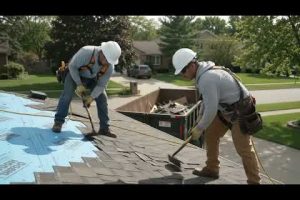
Emergency roof repair refers to urgent restoration work performed on a damaged roof to stop active leaks, prevent further structural deterioration, and restore temporary weatherproofing until permanent repairs can be completed. Unlike scheduled maintenance or routine inspections, emergency situations demand rapid response—often within hours—to minimize property damage and control repair costs.
You need emergency roof repair when you observe any of the following warning signs:

- Visible water stains on ceilings or walls spreading rapidly
- Active dripping or pooling water inside the attic or upper floors
- Missing, cracked, or completely torn-off shingles exposing the underlayment
- Displaced or damaged flashing around chimneys, vents, or skylights
- Sagging roof deck or visible structural deformation
- Debris impact from fallen trees, limbs, or flying objects during storms
- Hail damage creating multiple punctures or bruising across the roof surface

Ignoring these symptoms can lead to mold growth, rotting decking, compromised insulation, and even electrical hazards from water contacting wiring. The faster you act, the more you protect both your home and your wallet.
Common Roof Emergencies That Require Immediate Attention
Not every roofing issue qualifies as an emergency, but certain scenarios demand urgent professional intervention. Understanding the most frequent types of emergency damage helps you assess the severity and take appropriate action.
Storm-Related Damage
Severe wind events, hurricanes, tornadoes, and violent thunderstorms are the leading causes of emergency roof situations. High-speed winds can lift shingles, detach gutters, and create uplift pressure that weakens the entire roofing assembly. After a storm, inspect your roof carefully—damage isn’t always visible from ground level.
Water Intrusion and Active Leaks
An active leak during rainfall is a textbook emergency. Water entering through compromised roofing materials can saturate insulation, damage drywall, warp wood framing, and promote toxic mold growth within 24 to 48 hours. Even a small leak can escalate into thousands of dollars in structural repairs if left unaddressed.
Impact Damage from Falling Objects
Falling tree limbs, airborne debris during high winds, or even hailstone impacts can puncture roofing membranes, crack tiles, or dent metal panels. These wounds expose the underlying layers to moisture and UV degradation, accelerating deterioration if not sealed promptly.
Ice Dam Formation and Freeze-Thaw Cycles
In colder climates, ice dams form along roof edges when warm attic air melts snow, which then refreezes at the colder eaves. This creates barriers that trap meltwater beneath shingles, forcing it underneath and into the home. Emergency intervention is needed to prevent water intrusion and ice-related structural stress.
Step-by-Step Emergency Roof Repair Process
Handling an emergency roof situation requires a systematic approach. Follow these steps to manage the crisis effectively:
- Ensure Personal Safety First — Do not attempt to climb onto a wet, damaged, or steeply angled roof without proper safety equipment. Inside, avoid standing directly beneath active leaks and move valuables away from affected areas.
- Contain the Water — Place buckets, tarps, or towels beneath the leak to catch dripping water. Use a drill or sharp tool to create a small drainage hole if water is pooling on the ceiling, preventing further spread.
- Document the Damage — Photograph and video every visible issue before making any repairs. This documentation is critical for insurance claims and for communicating clearly with contractors.
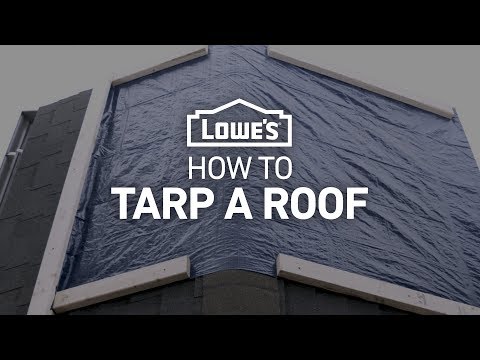
- Apply a Temporary Tarp or Seal — If safe to do so from the ground or with proper ladder access, secure a waterproof tarp over the damaged area using sandbags or weighted boards. This interim measure buys time until professional repair begins.
- Contact a Licensed Emergency Roofing Contractor — Call a roofer specializing in emergency services. Many offer 24/7 storm response and can dispatch a crew within hours.
- File Your Insurance Claim — Submit your documented evidence to your homeowner’s insurance provider. Most policies cover storm-related roof damage, but timelines matter—file as soon as possible.
- Schedule Permanent Repairs — Once the immediate threat is mitigated, work with your contractor to plan and execute permanent restoration using appropriate materials and techniques.
Temporary Roof Repair Solutions You Can Do Yourself
While professional emergency roofing services should always be your first call, there are a few temporary measures that can reduce damage in the hours before help arrives.
- Roofing cement and patch kits — For small punctures or cracked shingles, a roofing cement sealant can temporarily block water entry.
- Heavy-duty tarps — A quality polyethylene or canvas tarp secured over the damaged section can prevent rain from reaching the exposed underlayment.
- Roofing tape — Self-adhesive, weather-resistant tape works well for sealing small seams or cracks in metal flashing.
- Debris removal — Clear branches, leaves, and other debris from the roof surface and gutters to prevent additional water pooling and blockage.
- Emergency flashing — If flashing has detached, temporarily reposition it and secure with roofing nails and sealant to restore a barrier against water intrusion.
Important safety note: Temporary fixes are exactly that—temporary. They are not substitutes for professional permanent repair. Always prioritize your safety over DIY attempts, especially during active weather events.
How to Choose the Right Emergency Roofing Contractor
Not all roofing companies are equipped or qualified to handle emergency situations. Choosing the right contractor can save you time, money, and further damage to your property.
| Criteria | What to Look For | Red Flags |
| Availability | 24/7 emergency response, same-day dispatch | Limited office hours, no after-hours service |
| Licensing and Insurance | State-licensed, fully insured (liability and workers’ comp) | Unlicensed operators, no proof of insurance |
| Local Reputation | Verified reviews, Better Business Bureau rating, local references | No online presence, pressure to pay upfront in cash |
| Experience with Insurance | Direct coordination with insurance adjusters, claims assistance | Discourages insurance claims, unfamiliar with claim processes |
| Written Estimates | Detailed, itemized quotes before work begins | Vague verbal estimates, demand for full payment upfront |
| Warranty on Repairs | Written workmanship warranty with defined coverage period | No warranty offered, unclear repair scope |
A trustworthy emergency roof repair provider will arrive promptly, assess the damage thoroughly, communicate clearly about repair options, and provide transparent pricing. Avoid contractors who show up uninvited after storms—a practice known as “storm chasing”—and always verify credentials before signing any agreement.
Cost of Emergency Roof Repair
Emergency roof repair costs vary significantly based on damage severity, roof size, materials used, and regional labor rates. Below is a general comparison of common emergency repair scenarios:
| Repair Type | Estimated Cost Range | Typical Cause |
| Temporary tarp and seal | $150 – $500 | Storm damage, minor leak |
| Shingle replacement (10–20 squares) | $1,000 – $3,500 | Wind uplift, hail impact |
| Flashing repair or replacement | $300 – $1,200 | Corrosion, displacement |
| Partial deck replacement | $1,500 – $5,000 | Water saturation, rot |
| Full emergency re-covering | $5,000 – $15,000+ | Major storm, structural failure |
Keep in mind that these figures are approximate and will fluctuate based on your geographic location, the roofing material in question (asphalt shingles, metal, tile, or flat membrane), and whether the damage coincides with peak demand seasons. Many homeowner’s insurance policies cover emergency storm repairs, so always check your coverage before paying out of pocket.
Long-Term Roof Repair vs. Emergency Roof Repair
Understanding the distinction between emergency repairs and long-term restoration helps you make informed decisions about your roof maintenance strategy. Emergency roof repair focuses on stopping active damage and preventing immediate water intrusion—it’s reactive by nature. Long-term roof repair and replacement, on the other hand, addresses underlying issues, restores full functionality, and extends the overall lifespan of your roofing system.
Smart homeowners use emergency fixes as a bridge to permanent solutions. After the immediate crisis is managed, invest in a comprehensive roof inspection to identify any hidden damage that may not have been visible during the emergency response. Catching these issues early prevents them from becoming the next emergency.
Expert Tips to Prevent Future Emergency Roof Damage
Prevention is always more cost-effective than emergency response. Consider these proactive measures to reduce your risk of needing urgent roof repair in the future:
- Schedule bi-annual roof inspections — Spring and fall are ideal times to assess your roof before harsh weather seasons hit.
- Maintain gutters and downspouts — Clean debris regularly to ensure proper water drainage and prevent ice dam formation.
- Trim overhanging tree branches — Limbs close to your roof can break during storms and cause direct impact damage.
- Replace aging materials promptly — Don’t wait for a shingle to fail completely. Address curling, cracking, or granule loss immediately.
- Upgrade to impact-resistant materials — Class 4 impact-rated shingles and metal roofing systems offer superior protection against hail and debris.
- Ensure proper attic ventilation — Balanced airflow prevents heat buildup that accelerates shingle deterioration and contributes to ice dam formation.
- Review your homeowner’s insurance policy annually — Confirm you have adequate coverage for storm and weather-related roof damage.
Frequently Asked Questions About Emergency Roof Repair
How quickly should I call for emergency roof repair after discovering damage?
You should contact an emergency roofing contractor as soon as you notice active damage, ideally within hours of discovery. Water intrusion begins causing secondary damage—mold growth, wood rot, and insulation degradation—within 24 to 48 hours. The sooner a professional assesses and secures the damaged area, the lower your total repair cost will be.
Will homeowners insurance cover emergency roof repair costs?
Most standard homeowners insurance policies cover emergency roof repair caused by sudden, accidental events such as storms, wind, hail, and falling trees. However, coverage typically excludes damage resulting from long-term neglect or wear and tear. Always review your policy details and document the damage thoroughly before filing a claim.
Can I use a tarp as a permanent roof repair solution?
No. A tarp is strictly a temporary emergency measure designed to stop water intrusion until permanent repairs are performed. Tarp installations are vulnerable to wind removal, water pooling, and further damage. Relying on a tarp as a long-term solution will almost certainly lead to more extensive and expensive repairs down the road.
What is the difference between emergency roof repair and roof storm damage restoration?
Emergency roof repair focuses on stopping active leaks and stabilizing damaged areas immediately after an event. Roof storm damage restoration encompasses the full scope of recovery, including damage assessment, insurance claim coordination, temporary stabilization, and complete permanent repair or replacement of all affected roofing components.
How long does an emergency roof repair typically take?
Temporary emergency interventions such as tarping, patching, or sealing can often be completed within a few hours on the same day. Permanent emergency repairs depend on the extent of damage but typically range from one to three days for moderate repairs, and one to two weeks for extensive storm damage restoration projects.
Conclusion
Emergency roof repair is one of those homeownership challenges where preparation, quick thinking, and professional expertise make all the difference. By understanding the warning signs of roof emergencies, knowing how to apply temporary fixes safely, and partnering with a licensed emergency roofing contractor, you can protect your home from catastrophic water damage and costly long-term repairs. Remember that every hour counts when your roof is compromised—act decisively, document everything, and prioritize safety above all else. With the right approach, you can navigate even the most stressful roof emergency with confidence and come out with your home structurally sound and protected for years to come.