Home care maintenance is one of the most overlooked yet critically important responsibilities that every homeowner faces. Whether you just purchased your first property or you have lived in the same house for decades, staying on top of routine upkeep protects your investment, boosts your home’s value, and keeps your family safe and comfortable. In this comprehensive guide, we will walk you through everything you need to know about maintaining your home effectively — from essential daily habits to advanced preventive strategies that professionals rely on.
What Home Care Maintenance Really Means
At its core, home care maintenance refers to the ongoing actions and tasks that preserve a home’s functionality, safety, appearance, and longevity. This includes everything from cleaning gutters and inspecting roofing to servicing HVAC systems and addressing minor repairs before they escalate into costly problems. Many homeowners mistakenly believe that maintenance only matters when something breaks, but the truth is that consistent upkeep is the single best way to reduce long-term expenses and extend the lifespan of every major system and fixture in your property.
Why Consistent Home Maintenance Matters More Than You Think
Neglecting routine maintenance can lead to cascading problems. A small roof leak ignored for months can cause mold growth, structural damage, and ruined insulation. A clogged gutter can lead to foundation erosion. The financial impact of deferred maintenance often dwarfs the cost of staying current with inspections and minor repairs. Beyond money, a well-maintained home contributes to better indoor air quality, energy efficiency, and overall peace of mind for everyone who lives there.
A Complete Home Care Maintenance Checklist
The most effective approach to home upkeep is following a structured maintenance checklist that covers daily, monthly, seasonal, and annual tasks. Below is a detailed breakdown organized by frequency.
Monthly Maintenance Tasks
- Test smoke detectors and carbon monoxide alarms
- Inspect plumbing fixtures for leaks or drips
- Clean refrigerator coils and check water supply hoses
- Run water in unused sinks and tubs to prevent pipe freezing or stagnation
- Check windows and doors for drafts or sealant deterioration
- Inspect the exterior of the home for visible damage or wear
Seasonal Home Maintenance Schedule
Seasonal transitions are the perfect time to tackle more involved projects. Each season brings unique challenges and opportunities for property maintenance:

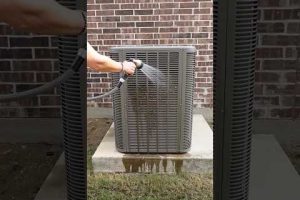
- Spring: Inspect the roof, clean gutters and downspouts, power wash siding and driveways, service outdoor HVAC units, and assess landscaping drainage.
- Summer: Check attic ventilation, inspect decks and patios for structural integrity, touch up exterior paint, and clean window screens.
- Fall: Drain and winterize irrigation systems, service the furnace, clean the chimney, seal gaps around foundations, and rake leaves away from the home’s base.
- Winter: Monitor indoor humidity levels, check for ice dams on the roof, keep walkways clear of ice, and inspect the basement for moisture intrusion.
Annual Maintenance Tasks
- Conduct a full professional home inspection
- Flush the water heater to remove sediment buildup
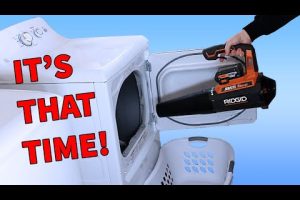
- Inspect and clean the dryer vent and exhaust ducts
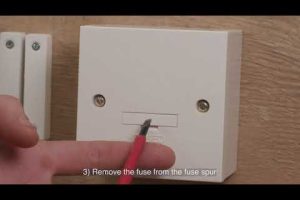
- Test the home’s electrical panel and outlets
- Evaluate the condition of the foundation and grading around the property
- Review all insurance policies and document any updates or improvements
Preventive Home Care: Save Money and Avoid Disasters
Preventive maintenance is the smartest strategy any homeowner can adopt. By addressing minor issues proactively, you avoid emergency repairs that often cost two to three times more than routine upkeep. For example, replacing a worn-out washing machine hose costs roughly $10 in materials, but a flooded laundry room can result in thousands of dollars in water damage restoration. The same logic applies to HVAC filters, water heaters, roofing materials, and plumbing infrastructure.
Key Home Systems That Require Regular Attention
Understanding which systems in your home are most vulnerable helps you prioritize your maintenance efforts:
| Home System | Recommended Maintenance Frequency | Common Issues Prevented |
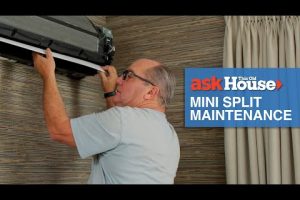
| HVAC System | Every 3-6 months for filters; annual professional tune-up | Reduced efficiency, system failure, poor air quality |
| Plumbing | Monthly visual inspection; annual professional drain cleaning | Clogs, leaks, burst pipes, water damage |
| Roof | Twice yearly inspection, especially after storms | Leaks, missing shingles, structural compromise |
| Foundation | Seasonal grading and drainage check | Cracks, water infiltration, settling |
| Electrical | Annual inspection of outlets, panels, and wiring | Fire hazards, overloaded circuits, code violations |
| Appliances | Per manufacturer guidelines | Breakdowns, inefficiency, safety risks |
This home maintenance comparison table clearly shows that different systems demand different levels of attention. The key takeaway is that no single system can be neglected for long without consequences.
DIY Home Maintenance vs. Professional Services
One of the most common questions homeowners ask is whether they should handle repairs and upkeep themselves or hire a professional. The answer depends on the complexity of the task, your skill level, and the tools available to you.
Tasks that are generally safe and straightforward for DIY enthusiasts include changing HVAC filters, cleaning gutters from ground level, caulking around windows, refreshing weatherstripping, and performing basic lawn and landscaping care. These activities require minimal expertise and standard household tools.
However, more complex projects — such as electrical panel work, major plumbing repairs, roof replacement, or structural assessments — should always be handled by licensed professionals. Attempting advanced tasks without proper training can void warranties, create safety hazards, and ultimately cost more when the work needs to be redone.
Smart Decision-Making for Home Upkeep
When deciding whether to tackle a maintenance project yourself, ask yourself these three questions:
- Do I have the necessary tools and safety equipment?
- Am I following current building codes and manufacturer instructions?
- What is the financial risk if the job goes wrong?
If the answers give you pause, it is almost always worth investing in professional assistance. Many homeowners save money in the long run by combining routine DIY tasks with annual professional inspections and servicing.
Advanced Home Care Maintenance Strategies
Once you have mastered the basics, you can elevate your home care game with advanced strategies that deliver even greater returns. Smart home technology is a game-changer here. Devices like smart thermostats, leak sensors, whole-home water filtration monitors, and connected security cameras allow you to monitor your property’s condition in real time and receive instant alerts when something goes wrong.
Another powerful strategy is creating a comprehensive home maintenance binder or digital document that tracks every repair, inspection, and upgrade. Keeping detailed records not only helps you stay organized but also provides valuable documentation for insurance claims and when you decide to sell. Prospective buyers appreciate seeing a well-documented maintenance history, and it can significantly strengthen your negotiating position.
Energy efficiency upgrades also fall under the broader umbrella of home care maintenance. Replacing old windows, adding insulation, sealing air leaks, and upgrading to energy-efficient appliances all contribute to a healthier, more sustainable home. These improvements reduce utility bills, lower your environmental footprint, and make your property more attractive in the real estate market.
Building a Long-Term Maintenance Mindset
The best homeowners do not treat maintenance as a one-time event. Instead, they build it into their daily and weekly routines. Simple habits like wiping down kitchen surfaces to prevent grease buildup, wiping bathroom fixtures to avoid hard water stains, and promptly addressing small spills before they become stains all contribute to a home that stays beautiful and functional for decades.
Setting calendar reminders for seasonal tasks is another highly effective habit. Many homeowners find that a shared digital calendar or a dedicated home management app makes it far easier to stay consistent with their property maintenance schedule. The goal is to create a system that works for your lifestyle so that maintenance never feels overwhelming or forgotten.
Conclusion
Home care maintenance is not glamorous, but it is one of the most impactful things you can do as a homeowner. From a simple monthly checklist to advanced preventive strategies and smart technology integration, every effort you invest in upkeep pays dividends in safety, comfort, efficiency, and property value. Start with the basics, stay consistent, and gradually incorporate more advanced practices as your confidence and knowledge grow. Your home is likely the single largest investment you will ever make — and it deserves the care and attention that keeps it performing at its best for years to come.
Frequently Asked Questions About Home Care Maintenance
What is the most important thing to include in a home maintenance checklist?
The most critical item on any home maintenance checklist is a consistent inspection schedule for your HVAC system, roofing, plumbing, and electrical infrastructure. These four systems are responsible for the vast majority of home safety and comfort, and catching issues early in these areas prevents the most expensive and disruptive repairs.
How often should I do a full home maintenance review?
A comprehensive review of your entire home’s condition should be conducted at least once a year, ideally in the spring or fall. This annual review should include a professional inspection, a check of all major systems, and an update to your maintenance records and budget planning for upcoming projects.
What are the most common home maintenance mistakes homeowners make?
The most common mistakes include ignoring small leaks, skipping HVAC filter replacements, neglecting gutter cleaning, failing to test smoke detectors regularly, and putting off roof inspections after severe weather events. Each of these oversights can lead to significantly larger and more expensive problems down the road.
Can regular home maintenance actually increase property value?
Absolutely. Regular home maintenance directly preserves and even increases property value by preventing deterioration, keeping systems running efficiently, and ensuring that cosmetic elements remain fresh and appealing. When it comes time to sell, a well-documented maintenance history gives buyers confidence and can justify a higher asking price.
How much should I budget for home maintenance each year?
A widely accepted rule of thumb is to set aside one to three percent of your home’s purchase price annually for maintenance expenses. Newer homes tend to fall on the lower end of that range, while older properties or homes in areas with harsh climates may require closer to three percent or more. Adjusting your budget based on your home’s age, condition, and local climate is a practical and financially sound approach.