


When a severe storm rolls through your neighborhood, the aftermath can be devastating — from ripped-off roof shingles and shattered windows to flooded basements and uprooted trees. damage from storm events is one of the most common and costly types of property destruction homeowners and businesses face every year. Understanding the full spectrum of storm-related destruction is the first step toward protecting your investment, filing accurate insurance claims, and recovering efficiently. Whether you live in a hurricane-prone coastal zone, a tornado alley corridor, or a region that experiences unpredictable severe weather, knowing what to expect and how to respond makes all the difference. This comprehensive guide dives deep into every aspect of storm damage — from the types you might encounter to assessment strategies, prevention techniques, and restoration best practices. Let’s get into it.
What Is Storm Damage? Understanding the Full Scope
Storm damage refers to any physical harm caused to a structure, landscape, vehicle, or infrastructure as a direct result of severe weather conditions. This includes hurricanes, thunderstorms, tornadoes, ice storms, blizzards, and even severe wind events. The term encompasses a wide range of destruction mechanisms — from the aerodynamic forces that rip roofing materials loose to the hydrostatic pressure flooding pushes against basement walls. According to the National Oceanic and Atmospheric Administration (NOAA), the United States experiences an average of 16 separate billion-dollar weather and climate disaster events each year, and the majority involve some form of storm-related destruction. Understanding how storms damage properties helps homeowners take proactive steps and recognize damage early before it escalates into costly repairs.
Common Types of Storm Damage to Homes and Properties
Not all storm damage looks the same. Depending on the storm type, intensity, duration, and your property’s location, the damage patterns vary significantly. Below are the most common categories of storm-related destruction that homeowners should be aware of.
Wind Damage: More Than Just Strong Gusts
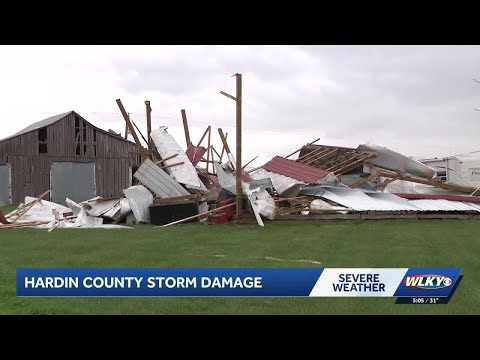
Wind is often the primary culprit behind property destruction during severe storms. High-speed gusts create uplift pressure that can peel away roofing materials, blow out garage doors, and snap tree branches. Even moderate winds carrying debris become dangerous projectiles that crack windows and puncture siding.
Key signs of wind damage include:
- Missing or curling shingles and exposed underlayment
- Siding panels that are loose, cracked, or entirely blown off
- Garage door deformations or blowouts
- Broken or fallen tree limbs on the roof or driveway
- Gutter systems detached from fascia boards
One critical thing many homeowners miss is that wind damage is often subtle. A single lifted shingle may look minor but compromises the entire roofing system, inviting water intrusion during the next rainfall. This is why a post-storm roof inspection is essential for anyone living in storm-prone areas.
Flooding and Water Inundation
Flash flooding, storm surge, and overflowing rivers represent some of the most destructive forces associated with severe weather events. Unlike wind damage, water intrusion can silently penetrate walls, corrode electrical systems, and encourage mold growth within 24 to 48 hours.
Flood damage commonly presents as:
- Basement wall seepage and saturated foundations
- Ruined HVAC systems located below flood level
- Contaminated water lines carrying sewage or chemicals
- Warped hardwood floors and swollen drywall panels
- Electrical shorts and appliance corrosion
The distinction between storm water damage and flood damage matters significantly for insurance purposes. Standard homeowners’ policies typically exclude flood damage, requiring separate flood insurance through the National Flood Insurance Program (NFIP) or private providers.
Hail and Debris Impact
Hailstones during severe thunderstorms can range from pea-sized to softball-sized, and each impact leaves marks on roofing materials, vehicles, and exterior surfaces. Dense hailstorms can strip asphalt granules from shingles, crack vinyl siding, and dent metal roofing panels beyond repair.
How to Assess Storm Damage Effectively
Conducting a thorough damage assessment immediately after a storm passes is crucial, but safety must come first. Never venture outside during active weather or when downed power lines are visible. Once conditions stabilize, follow this structured evaluation process.
Step-by-step storm damage assessment:
- Exterior walk-around: Inspect the roof, siding, gutters, and foundation from a safe vantage point. Look for new holes, displaced materials, or debris accumulation.
- Interior inspection: Check ceilings for water stains, walls for new cracks, and attics for daylight penetration or moisture intrusion.
- Landscape evaluation: Note any trees leaning precariously, uprooted roots, or branches resting on structures.
- Document everything: Photograph every piece of damage with timestamps and location details before repairs begin.
Many restoration professionals recommend using a storm damage checklist that mirrors the categories above. This not only helps you communicate effectively with insurance adjusters but also ensures you do not overlook hidden damage that could worsen over time.
Comparison Table: Storm Damage by Severity Level
| Severity Level | Common Causes | Typical Repairs Needed | Estimated Cost Range |
| Minor | Light wind, small hail | Shingle patching, gutter reattachment | $500 – $2,500 |
| Moderate | Strong thunderstorms, moderate flooding | Partial roof replacement, drywall repair, water mitigation | $2,500 – $15,000 |
| Severe | Hurricanes, tornadoes, major flooding | Full roof replacement, foundation remediation, structural rebuilding | $15,000 – $100,000+ |
| Catastrophic | Category 4–5 hurricanes, EF3+ tornadoes | Total rebuild, utility replacement, land grading | $100,000+ |

Preventive Measures to Reduce Storm Damage
While you cannot prevent storms from occurring, you can significantly reduce the risk of storm damage through strategic upgrades and regular maintenance. The investment in preparation often pays for itself many times over in avoided repair costs.
- Install impact-resistant roofing materials. Class 4 hail-rated shingles or metal roofing systems offer superior resistance against wind and debris impact compared to standard asphalt products.
- Reinforce garage doors and entry points. Garage doors are the largest openings in most homes and frequently fail during high-wind events, leading to catastrophic interior damage.
- Maintain drainage systems year-round. Clean gutters and downspouts at least twice annually to ensure water flows away from the foundation during heavy rainfall events.
- Trim trees and remove dead branches. Overhanging limbs are the number one cause of roof punctures and siding damage during storms.
- Install sump pumps with battery backup. Power outages frequently accompany severe storms, and a backup system keeps your basement dry even when the grid goes down.
- Seal basement walls and windows. Waterproof sealants and interior drainage systems create a protective barrier against ground-level water intrusion.
Experts in structural engineering also recommend conducting a wind mitigation inspection every two to three years. These assessments identify vulnerabilities in your home’s envelope and outline specific upgrades backed by insurance premium discounts in many states.
Storm Damage Recovery and Restoration Process
Recovery after a storm event requires a methodical, phased approach. Rushing to fix visible problems without addressing underlying issues often leads to secondary damage, including mold growth and structural deterioration.

Phase 1: Emergency Mitigation
The first 48 to 72 hours are the most critical window for preventing further damage. Professional restoration teams focus on tarping compromised roofs, extracting standing water, running commercial-grade dehumidifiers, and securing broken windows or openings against additional weather intrusion.
Phase 2: Detailed Damage Documentation
Working closely with your insurance adjuster, every damaged item — from crushed drywall to destroyed personal belongings — must be cataloged, photographed, and valued. Maintaining a detailed home inventory updated annually dramatically speeds up this phase and strengthens your claim.
Phase 3: Repairs and Reconstruction
Once mitigation is complete and claims are approved, the actual rebuilding process begins. This phase may involve roofing contractors, water damage restoration specialists, structural engineers, and electrical or plumbing professionals depending on the scope of destruction.
Frequently Asked Questions (FAQs)
What are the most common long-term effects of storm damage on a home’s structural integrity?
Over time, unrepaired storm damage leads to progressive structural weakening. Water intrusion degrades wooden framing members, promotes rot and insect infestation, and compromises load-bearing elements. Rust develops on metal connectors and fasteners, reducing their tensile strength. Mold colonies that establish themselves within wall cavities can spread across structural sheathing, further deteriorating material integrity. These compounding effects mean that what starts as a small repair can evolve into major structural remediation if left unaddressed for months or seasons after a storm event.
How soon after a storm should you file an insurance claim for property damage?
Ideally, you should contact your insurance provider within 24 to 48 hours of the storm passing. Most policies include a “prompt notice” clause, and delayed claims can raise questions about whether the damage was storm-related. Document everything before repairs begin, and request an adjuster visit as early as possible. Insurance companies typically have a defined timeline for claim processing, but initiating contact quickly establishes your good faith and protects your rights as a policyholder.
Can storm damage increase your homeowners insurance premiums?
Depending on your insurer’s policies and your claims history, filing a storm damage claim can lead to premium increases at renewal. However, many carriers now offer wind-mitigation discounts precisely because homeowners invest in protective upgrades. If your claim results from a named catastrophe designated by your state or insurer, it may not count against your personal claim history in the same way as a standard filed claim. Consulting with your agent before filing helps you understand the financial implications specific to your policy.
What professional certifications should you look for when hiring a storm damage restoration company?
Look for companies certified by the Institute of Inspection Cleaning and Restoration Certification (IICRC), which sets industry standards for water damage restoration, fire and smoke restoration, and structural drying. Additionally, firms affiliated with the National Storm Damage Association or those recommended by your insurance provider often offer more transparent processes. Always verify licensing, bonding, and insurance coverage for the contracting company before signing any agreement or authorizing work to begin.
Is it possible to completely prevent storm damage, or is some level of damage inevitable?
While no home can be made 100 percent impervious to all storm conditions, proactive mitigation dramatically reduces both the likelihood and severity of damage. Homes built to updated building codes featuring reinforced connections, impact-resistant glazing, and elevated foundations in flood zones consistently sustain far less destruction than older structures. The key shift is from “prevention” to “resilience” — accepting that storms will happen but ensuring your property is engineered and maintained to withstand them as effectively as possible.
Conclusion
Storm damage is an inevitable reality for millions of property owners across the globe, but it does not have to be a catastrophic financial or emotional burden. By understanding the diverse types of destruction storms inflict, learning how to assess damage thoroughly, investing in preventive strengthening measures, and following a disciplined recovery process, you position yourself to protect what matters most. The information outlined in this guide — from wind damage nuances to flood mitigation strategies and restoration best practices — equips both first-time homeowners and seasoned property managers with the knowledge to act decisively when severe weather strikes. Stay prepared, document everything, and remember that the right partnerships with restoration professionals and insurance experts can transform a devastating storm experience into a manageable recovery journey.