When a severe weather event strikes, the aftermath can leave homeowners, property managers, and entire communities scrambling for answers. Emergency storm damage is not just a headline—it’s a life-altering event that demands immediate action, strategic planning, and informed decision-making. Whether you are dealing with roof damage from a tornado, flooding from a hurricane, or widespread debris from a derecho, understanding what to do in the first hours and days can mean the difference between a manageable recovery and a catastrophic financial loss. This comprehensive guide covers everything from initial storm damage assessment to long-term prevention strategies, equipping you with the knowledge to navigate one of the most stressful experiences a property owner can face.
What Is Emergency Storm Damage and Why Does It Demand Immediate Attention?
Emergency storm damage refers to any structural, electrical, or environmental harm caused directly by severe weather phenomena such as thunderstorms, tornadoes, hurricanes, ice storms, and flash floods. Unlike gradual property deterioration, storm-related destruction is sudden, extensive, and often compounds quickly if left unaddressed. A compromised roof, for example, allows rainwater to infiltrate walls and insulation, triggering mold growth within 24 to 48 hours. Broken windows invite further moisture intrusion and pest infestations. Downed power lines create electrocution hazards. Understanding the urgency of storm damage restoration is the first step toward protecting your home, your investment, and your family’s safety.
The scope of emergency storm damage extends beyond visible destruction. Hidden damage—such as water saturation inside wall cavities, structural weakening of load-bearing beams, or electrical system compromise—often goes unnoticed until secondary problems emerge weeks or months later. This is why professional storm damage assessment should begin as soon as conditions allow, even before visible repairs commence.
Common Types of Storm Damage to Homes and Properties
Not all storm damage looks the same. Different weather events produce distinct patterns of destruction, and knowing what to look for helps you prioritize your response.
Wind Damage: The Most Widespread Threat

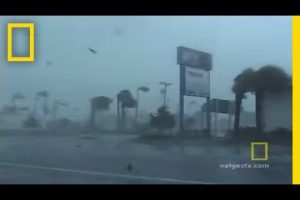
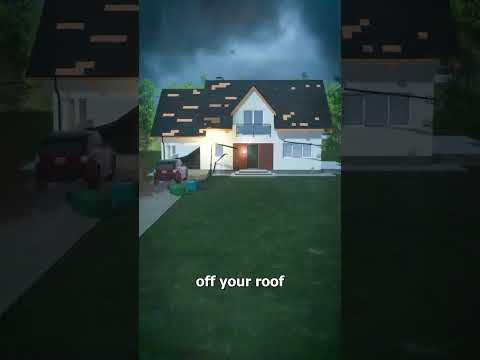
High-speed winds are the primary culprit behind emergency storm damage across most regions. Tornadoes and straight-line winds from severe thunderstorms can rip shingles from roofs, shatter windows, collapse porches, and uproot large trees. Wind-driven debris becomes a projectile hazard, turning lawn furniture, signposts, and even branches into dangerous missiles. After a wind event, inspect your property carefully for missing shingles, cracked siding, displaced gutters, and any structural shifts in your home’s frame.
Flood and Water Damage: The Silent Destroyer
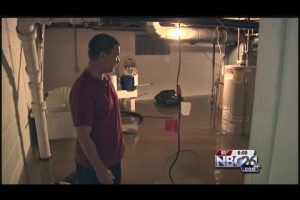
Flooding from hurricanes, tropical storms, or prolonged heavy rainfall causes some of the most costly emergency storm damage. Standing water undermines foundations, saturates drywall and insulation, corrodes electrical wiring, and contaminates indoor air quality with sewage and chemical residues. Flood damage often requires specialized water extraction, industrial-grade dehumidification, and antimicrobial treatments. The longer water sits, the more extensive—and expensive—the remediation becomes.
Hail and Debris Damage: Concentrated but Severe
Hailstorms can devastate roofing materials, dent metal siding, crack skylights, and shatter exterior windows in a matter of minutes. Because hail damage is often subtle—micro-fractures in shingles that are invisible from ground level—many homeowners underestimate the extent of the harm until leaks appear during the next rainfall. Similarly, debris accumulation from fallen trees and storm-wrecked structures can block drainage systems, damage vehicles, and render portions of a property inaccessible.
Immediate Steps to Take After Storm Damage Occurs
Knowing the right sequence of actions in the storm damage cleanup process prevents mistakes that could worsen the situation or jeopardize your insurance claim.
- Ensure personal safety first. Avoid walking through standing water near electrical sources. Do not enter a visibly damaged structure until a qualified inspector confirms it is safe.
- Contact your insurance provider immediately. Most homeowners’ policies cover storm damage, but reporting delays can complicate or deny your claim. Document every communication with your adjuster.
- Perform a preliminary storm damage assessment. Take extensive photographs and videos of all visible damage from multiple angles. Note the date and time of each photo.
- Secure the property from further harm. Tarp damaged roofs, board up broken windows, and clear critical drainage paths. Most insurance policies cover emergency temporary repairs (also called “mitigation”).
- Hire licensed emergency storm restoration professionals. Reputable storm damage repair companies provide free inspections, work directly with insurance adjusters, and follow IICRC (Institute of Inspection, Cleaning and Restoration Certification) standards.
Storm Damage Severity Comparison Table
| Damage Level | Typical Causes | Visible Signs | Recommended Action |
| Minor | Moderate wind, light hail | Loose shingles, small dents, minor gutter displacement | Temporary tarping; schedule professional inspection within one week |
| Moderate | Severe thunderstorm, localized flooding | Missing shingles, cracked windows, water stains on ceilings | Emergency mitigation; file insurance claim within 48 hours |
| Major | Tornado, hurricane, flash flood | Structural shifting, partial roof collapse, standing interior water | Evacuate if unsafe; contact emergency restoration team immediately |
| Catastrophic | EF3+ tornado, major hurricane, dam failure | Total roof loss, foundation cracks, complete structural compromise | Do not re-enter; await official clearance; pursue full reconstruction |
How to Document Storm Damage for Insurance Claims
Documentation is the backbone of any successful storm damage claim. Insurance adjusters need clear, organized evidence to process your request efficiently. Without it, you risk underpayment or outright denial.
- Create a visual inventory. Photograph and video every damaged area before moving or discarding anything. Capture close-ups of specific damage and wide shots showing context.
- Maintain a written log. Record the date, time, and description of every storm-related incident. Note when you contacted your insurer, when adjusters visited, and what temporary measures you took.
- Preserve receipts. Save all invoices for emergency repairs, temporary housing, mitigation services, and debris removal. These figures directly affect your reimbursement amount.
- Get professional assessments. A detailed storm damage report from a licensed contractor carries more weight than your personal observations alone. Many restoration companies provide this documentation as part of their service.
Long-Term Recovery and Prevention Strategies

Recovering from emergency storm damage is not a one-time event—it is an ongoing process that should evolve into a proactive prevention plan. Homeowners who invest in storm-resilient upgrades reduce future vulnerability and often qualify for lower insurance premiums.
Structural Reinforcements
Consider impact-resistant roofing materials, reinforced garage doors, storm shutters, and hurricane-rated windows. These upgrades are especially valuable in regions prone to severe weather events such as Tornado Alley, the Gulf Coast, and the Atlantic seaboard.
Drainage and Grading Improvements
French drains, proper lot grading, and sump pump installations dramatically reduce flood risk. Regularly clean gutters and downspouts to ensure water flows away from your foundation during heavy rainfall.
Emergency Preparedness Planning
Develop a family storm preparedness plan that includes evacuation routes, emergency supply kits, and a communication strategy. Knowing your local flood zone designation and storm shelter locations before an event occurs saves critical time when every second matters.
Frequently Asked Questions About Emergency Storm Damage
How soon after storm damage should I contact a restoration company? The best practice is to call an emergency storm restoration provider within 24 to 48 hours of the event. Faster response times minimize secondary damage such as mold growth and water saturation, which significantly reduces overall restoration costs. Most reputable companies offer 24-hour emergency storm damage response.
Does homeowners insurance cover all types of storm damage? Standard homeowners policies typically cover wind, hail, and lightning damage, but flood damage usually requires a separate flood insurance policy through the National Flood Insurance Program (NFIP) or a private carrier. Ice and snow damage coverage varies by policy, so review your specific terms carefully before filing a storm damage claim.
Can I perform storm damage repairs myself before the insurance adjuster arrives? Yes, but only for temporary mitigation measures such as tarping a damaged roof or boarding up broken windows. Permanent repairs should wait until the adjuster has documented the damage. Taking before-and-after photos of any DIY work you perform protects your claim and demonstrates good faith.
What is the average cost of professional storm damage restoration? Costs vary widely based on damage severity, property size, and location. Minor repairs may cost a few thousand dollars, while major storm damage restoration projects involving structural repair, full roof replacement, and water damage remediation can range from $10,000 to $50,000 or more. Most restoration companies offer free estimates and work on a lien basis, meaning you pay after insurance reimbursement.
How long does the storm damage claim process typically take? A standard insurance claim for storm damage takes anywhere from two weeks to several months to resolve, depending on the complexity of the damage, adjuster availability, and the responsiveness of your documentation. Working with a public adjuster or an experienced restoration company that handles claims on your behalf can significantly expedite the process.
What are the hidden dangers of storm damage that homeowners often overlook? Beyond visible destruction, emergency storm damage frequently introduces hidden risks including compromised electrical systems, gas line leaks, asbestos exposure from damaged older materials, and structural fatigue that may not manifest for months. A professional post-storm inspection should include thermal imaging, moisture meter readings, and structural integrity assessments to uncover these invisible threats.
Conclusion
Emergency storm damage is a disruptive, often overwhelming experience—but it does not have to be a permanent crisis. By understanding the different forms of storm damage, taking immediate and documented action, partnering with qualified emergency restoration professionals, and investing in long-term prevention strategies, you can recover more quickly and protect your property against future events. The key is preparation and knowledge. Every minute you spend understanding storm damage restoration best practices today is a minute that saves time, money, and stress when severe weather inevitably arrives again. Take action now, stay informed, and remember that the right storm damage recovery plan transforms a devastating event into a manageable, solvable challenge.