Your home air conditioning unit works tirelessly every summer to keep your living space comfortable, yet most homeowners completely neglect it until something goes wrong. Whether you own a central air conditioning system, a ductless mini-split, or a window unit, staying on top of home AC unit maintenance can mean the difference between a cool, worry-free season and a costly emergency repair on the hottest day of the year. The good news is that consistent, routine care dramatically extends your system’s lifespan, improves energy efficiency, and keeps indoor air quality high. In this comprehensive guide, we will walk you through everything you need to know about maintaining your residential cooling equipment, from simple DIY tasks any homeowner can handle to advanced strategies that professional HVAC technicians swear by. Let us dive deep into how you can keep your air conditioner running at peak performance year after year.
Why Home AC Unit Maintenance Matters More Than You Think
Most people assume their air conditioner will just keep working as long as it is plugged in or connected to the electrical panel. Reality is far different. Without proper air conditioner maintenance, even a brand-new system loses efficiency rapidly. Studies consistently show that an unmaintained cooling unit can lose up to 5% of its original efficiency every single year. That means a five-year-old AC system with no regular care could be operating at only 75% of its original capacity, costing you significantly more on every electricity bill.
Beyond efficiency, skipped maintenance leads to a cascade of problems. Dust and debris accumulate on evaporator coils, restricting heat absorption. Clogged condensate drains create water damage risks. Dirty blower fans reduce airflow, causing the compressor to overwork and eventually fail prematurely. Understanding these mechanics transforms AC ownership from a reactive chore into a proactive investment.
The Complete Air Conditioner Maintenance Checklist for Homeowners

Building a reliable maintenance checklist ensures you never miss a critical task. Here is a detailed breakdown organized by frequency so you know exactly what to do and when.

Monthly Tasks During Cooling Season
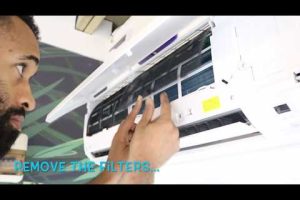
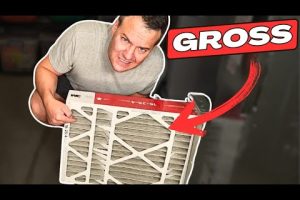
- Inspect and clean or replace your AC filter. This is the single most important thing you can do. A clogged filter restricts airflow, forces the system to work harder, and degrades indoor air quality. For standard fiberglass filters, replace them every 30 days during heavy use. High-efficiency pleated filters can last 60 to 90 days but still benefit from monthly inspection.
- Check the thermostat display. Make sure the readout is functioning and the temperature readings match a separate thermometer placed a few feet away from the indoor unit.
- Look for visible issues. Listen for unusual sounds like grinding, rattling, or squealing. Watch for water pooling near the indoor unit, which signals a potential condensate drain blockage.

Quarterly Tasks
- Clean the area around the outdoor condenser unit. Remove leaves, grass clippings, dirt, and any debris that has collected around the compressor housing. Maintain at least two feet of clear clearance on all sides for proper airflow.
- Straighten any bent fins. The aluminum fins on the condenser coils and evaporator coils are extremely delicate. A fin comb tool costs just a few dollars and can restore proper airflow through damaged fins.
- Inspect the condensate drain line. Pour a cup of white vinegar down the drain opening to prevent algae and mold buildup that causes clogs.
Annual Professional-Level Tasks
Some maintenance activities require more expertise and are best left to a qualified HVAC technician, though informed homeowners can handle many of these themselves with the right knowledge and tools.
| Task | Difficulty | Recommended Frequency | Impact on Performance |
|---|---|---|---|
| Deep clean evaporator and condenser coils | Intermediate | Once per year | High — restores heat transfer efficiency |
| Check and refill refrigerant charge | Advanced | As needed (per manufacturer specs) | Critical — low refrigerant destroys compressor |
| Inspect and tighten electrical connections | Advanced | Once per year | High — prevents electrical failures and fire risk |
| Lubricate moving parts (motor bearings) | Intermediate | Once per year | Medium — reduces friction and wear |
| Test and calibrate thermostat | Beginner | Once per year | Medium — ensures accurate temperature control |
| Measure airflow across the evaporator coil | Advanced | Once per year | High — identifies ductwork or blower issues |
Seasonal AC Maintenance: Timing Is Everything
The best time to perform a thorough cleaning and inspection of your cooling system is in the spring, well before the summer heat arrives. This timing allows you to address any issues discovered during a maintenance tune-up before you actually need the system at full capacity. Think of it like changing the oil in your car before a long road trip rather than after the engine starts making strange noises.
A professional seasonal AC tune-up typically includes the following services: cleaning the condenser coil and evaporator coil, checking refrigerant pressure with a manifold gauge set, inspecting the contactor and relay switches, verifying capacitor function with a multimeter, cleaning the blower assembly, checking the drain pan for cracks or algae, and testing the overall system startup and shutdown cycle. Expect to pay between $100 and $200 for a standard residential tune-up, though this small investment pays for itself many times over through reduced energy costs and avoided emergency repairs.
For homeowners who prefer a DIY approach, here is a simplified spring preparation routine: turn off power to the outdoor unit at the breaker, remove the top grille, clear out any debris from inside the cabinet, vacuum the condenser coil fins gently with a brush attachment, hose down the coil from the inside out (never pressure wash, as this bends fins), and replace the air filter before restoring power.
Advanced Maintenance Strategies for Long-Term AC Unit Lifespan
Once you have mastered the basics of air conditioner maintenance, you can take your efforts to the next level with these expert strategies that genuinely transform how long your system lasts and how efficiently it operates.
Understanding Refrigerant Levels and Subcooling
One of the most overlooked aspects of HVAC maintenance is monitoring refrigerant charge. Many homeowners assume the refrigerant is a “fuel” that gets used up, but in a properly sealed system, the same refrigerant circulates indefinitely. If your charge is low, it means there is a leak somewhere in the copper tubing or at a joint connection. A technician should measure subcooling and superheat values at the outdoor unit to determine whether the charge is correct according to the manufacturer’s specifications. Running an AC with low refrigerant dramatically increases compressor wear and can lead to a complete system failure costing $2,000 or more to replace.
Ductwork Inspection and Sealing
Even a perfectly maintained central air system loses significant efficiency if the ductwork has leaks. In a typical home, 20% to 30% of conditioned air escapes through gaps, disconnected joints, or holes in the ductwork before it ever reaches a living space. Inspect accessible ducts in attics, crawl spaces, and basements. Seal any leaks with mastic sealant (not duct tape, which deteriorates quickly) and insulate ducts that run through unconditioned spaces.
Smart Thermostat Integration
Upgrading to a programmable or smart thermostat is one of the most impactful maintenance-adjacent improvements you can make. A smart thermostat learns your schedule, adjusts temperatures automatically when you are away, and provides detailed energy usage reports. Many models also alert you when it is time to change your air filter or schedule professional maintenance, turning passive ownership into an active, optimized experience.
Common AC Maintenance Mistakes Homeowners Make
Avoiding these frequent errors will save you from preventable headaches and expensive repairs:
- Ignoring the air filter. This is the number one mistake. A dirty filter reduces airflow, freezes the evaporator coil, and strains the blower motor. Set a recurring reminder on your phone to check it every month during cooling season.
- Blocking the outdoor unit. Planting shrubs too close to the condenser or storing garden equipment against it restricts airflow and causes the system to overheat.
- Skipping professional inspections. DIY maintenance is excellent but cannot replace a trained technician’s diagnostic skills. Annual professional service catches small problems before they become expensive failures.
- Using the wrong thermostat settings. Constantly setting the temperature extremely low does not cool your home faster. It simply runs the compressor longer, wasting energy and accelerating wear.
- Neglecting the condensate drain. A blocked drain causes water damage, mold growth, and can trigger a safety shutdown that leaves you without cooling on the worst possible day.
How Regular Maintenance Saves Money and Extends Equipment Life
The financial case for consistent AC maintenance is overwhelming. According to the U.S. Department of Energy, a well-maintained air conditioning system uses 5% to 15% less energy than a neglected one. Over a typical 10-year ownership period, those savings translate to hundreds or even thousands of dollars in reduced electricity costs. Additionally, regular maintenance typically keeps manufacturer warranties valid, meaning you are fully covered if a covered component fails during the expected lifespan of the equipment.
The average central air conditioning system lasts 15 to 20 years with proper care. Without maintenance, that lifespan can shrink to 8 to 12 years. The replacement cost of a full central AC system ranges from $5,000 to $12,000 depending on your home size and the unit’s SEER rating. Spending $150 to $300 per year on maintenance is a remarkably small price to pay for protecting that kind of investment.
Conclusion
Home AC unit maintenance is not a luxury or an optional expense — it is a fundamental responsibility of every homeowner who relies on cooling comfort. From the simple habit of checking and replacing your air filter monthly to scheduling a comprehensive seasonal tune-up, every action you take builds a stronger, more efficient, and more reliable cooling system. The strategies outlined in this guide give you the knowledge to handle routine care yourself while understanding when professional expertise is essential. Start implementing these practices today, and your air conditioner will reward you with years of dependable, efficient performance.
Frequently Asked Questions About Home AC Unit Maintenance
How often should I clean my AC coils for optimal performance?
You should inspect and clean your evaporator and condenser coils at least once per year, ideally during your spring maintenance routine. In dusty environments, coastal areas, or homes with pets, coil cleaning may be needed twice annually. Clean coils allow proper heat exchange, which directly impacts your system’s cooling capacity and energy efficiency. Use a no-rinse coil cleaner spray available at any hardware store for a safe and effective DIY cleaning.
What happens if I do not change my AC filter regularly?
A neglected air filter restricts airflow through the system, causing the evaporator coil to freeze, reducing cooling output, increasing energy consumption, and eventually leading to compressor damage. In severe cases, a completely clogged filter can cause the indoor unit to stop blowing air altogether, requiring a professional service call to thaw and repair the system. Always keep spare filters on hand so you can replace them immediately when needed.
Can I perform AC maintenance myself or do I need a professional?
You can and should handle many maintenance tasks yourself, including filter replacement, outdoor unit cleaning, condensate drain flushing, and thermostat checks. However, tasks involving refrigerant handling, electrical diagnostics, compressor testing, and ductwork pressure testing require licensed professional expertise. A balanced approach combines monthly DIY efforts with an annual professional inspection for the best results.
How do I know if my AC refrigerant level is low?
Warning signs of low refrigerant include warm air blowing from vents, ice forming on the copper lines or evaporator coil, hissing sounds near the outdoor unit, and the system running continuously without reaching the set temperature. Because low refrigerant almost always indicates a leak rather than normal consumption, you should contact a certified HVAC technician to locate and repair the leak before recharging the system to the correct level.
What is the best way to improve AC efficiency between professional tune-ups?
The three most effective steps are keeping the air filter clean, ensuring unobstructed airflow around the outdoor condenser unit, and setting your thermostat to a consistent, reasonable temperature (78°F when home and raised when away). Additionally, using ceiling fans to improve air circulation allows you to set the thermostat a few degrees higher without sacrificing comfort, reducing the workload on your cooling system significantly.