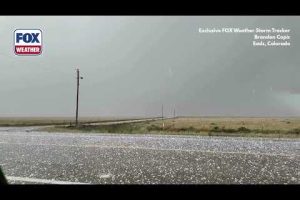
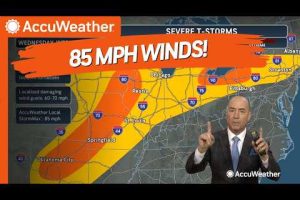
A hail storm report is one of the most critical documents for understanding the severity, trajectory, and aftermath of severe weather events that produce hailstones capable of causing significant damage to property, vehicles, crops, and infrastructure. Whether you are a homeowner assessing potential roof damage, an insurance adjuster processing a claim, or a meteorologist analyzing storm cell behavior, knowing how to read, interpret, and act on hail storm report data can make an enormous difference. In this comprehensive guide, we will walk you through everything you need to know about hail storm reports — from understanding the core components and data points to finding reliable sources, interpreting severity metrics, and leveraging this information for insurance claims and safety planning.
What Is a Hail Storm Report and Why Does It Matter?
A hail storm report is an official or documented record detailing the occurrence, intensity, size, and impact of hailstones produced during a severe thunderstorm event. These reports are typically compiled by national weather services, storm chasers, automated weather stations, and radar-based detection systems. The primary purpose of a hail storm report is to provide accurate, time-stamped data that helps communities, emergency responders, and insurance companies understand the scope of a hail event. Without reliable hail storm report documentation, property owners and insurers would struggle to verify claims, allocate emergency resources, and develop long-term resilience strategies against future storms.
The importance of a hail storm report extends beyond immediate damage assessment. Insurance adjusters rely heavily on these documents to validate or deny claims. Urban planners use historical hail storm data to inform building codes and material standards. Agricultural managers depend on them to evaluate crop loss and file for disaster relief. In short, a well-documented hail storm report serves as the backbone of post-storm decision-making at every level.
Key Components of a Comprehensive Hail Storm Report
A thorough hail storm report should contain several essential data points that give readers a complete picture of the event. Here are the critical elements you should look for:
- Timestamp and Duration: The exact time the hail event began and ended, including the duration of the storm cell.
- Location Coordinates: Precise geographic data, ideally with latitude and longitude, to pinpoint the affected area.
- Hailstone Size Measurements: Reports should classify hail diameter using standardized size references — from pea-sized (1/4 inch) to softball-sized (4.5 inches) or larger.
- Wind Speed and Direction: Hail often accompanies damaging straight-line winds, which should be documented alongside precipitation data.
- Estimated Wind Gusts: Peak gust speeds recorded during the event, typically measured in miles per hour or kilometers per hour.
- Damage Descriptions: Qualitative and quantitative descriptions of damage to structures, vehicles, vegetation, and other property.
- Storm Classification: Whether the event was classified as a severe thunderstorm warning or watch based on hail size thresholds (typically 1 inch or greater in the United States).
- Radar Confirmation: Radar signatures showing reflectivity values that correlate with hail presence in the storm cloud.
How to Read and Interpret Hail Storm Data
Understanding a hail storm report requires familiarity with the terminology and metrics used by meteorological agencies. The National Weather Service (NWS) and the Storm Prediction Center (SPC) are the primary sources of official hail storm reports in the United States. Their reports use a standardized format that includes the Storm Event Database, which catalogs every severe weather report submitted by spotters, trained observers, and automated systems.
When reading a hail storm report, pay close attention to the “hail size” field, which is the single most important indicator of potential damage potential. Hailstones measuring one inch in diameter or larger are classified as severe and typically warrant a Severe Thunderstorm Warning from the NWS. However, even smaller hail — quarter-sized (around 1 inch) — can dent car panels, crack windshield glass, and tear shingles from residential roofs.
Another critical metric is the jam density and radar reflectivity value associated with the storm cell. High reflectivity values (above 50 dBZ) often indicate the presence of large hail within the cloud. Dual-polarization radar technology has significantly improved the accuracy of hail detection, allowing forecasters to distinguish between rain, hail, and debris more effectively than ever before.
Understanding Hail Severity Scales and Categories
Hail severity is typically categorized based on stone diameter. The table below provides a quick comparison of hail size categories and their associated damage potential:
| Hail Size Category | Diameter | Damage Potential |
| Pea-Sized | 1/4 inch | Minimal; cosmetic damage only |
| Mothball-Sized | 1/2 inch | Light; minor dents on soft metals |
| Dime-Sized | 3/4 inch | Moderate; can bruise fruit crops |
| Nickel-Sized | 7/8 inch | Moderate to significant; roof damage possible |
| Quarter-Sized | 1 inch | Severe; dent vehicles, crack windshields |
| Half-Dollar-Sized | 1.25 inches | Major; structural roof damage likely |
| Golf Ball-Sized | 1.75 inches | Severe; significant structural and crop damage |
| Tennis Ball-Sized and Above | 2.5+ inches | Extreme; life-threatening hazard |
This damage potential table is not just for reference — it directly informs how insurance adjusters evaluate hail storm report claims and how emergency management teams prioritize response efforts.
Best Sources for Reliable Hail Storm Reports
Not all hail storm reports are created equal. Some sources provide real-time, official data, while others offer crowd-sourced or observational reports that may be less precise. Here are the most reliable sources you should consult:
- National Weather Service (NWS) Storm Events Database: The gold standard for official hail storm reports in the U.S. This database includes every recorded severe weather event and can be filtered by county, state, date range, and event type.
- Storm Prediction Center (SPC) Outlooks and Reports: The SPC provides severe thunderstorm outlooks, mesoscale discussions, and post-event reports that include detailed hail data.
- NOAA’s Weather Prediction Center: Offers radar mosaic images and precipitation reports that include hail signatures on dual-polarization radar.
- Local NWS Weather Forecast Offices: Each office issues official storm reports (often called “Storm Data”) for their local area, providing hyperlocal accuracy.
- Trained Storm Spotter Networks: Volunteer storm spotters are often the first to submit ground-truth hail size reports, which are then fed into the official database.
- Dedicated Weather Apps and Platforms: Apps like MyRadar, RadarScope, and Weather Underground provide real-time hail detection overlays based on radar data.
Comparing Hail Storm Report Sources
When choosing a source for hail storm reports, consider factors like timeliness, geographic granularity, data verification methods, and accessibility. The table below compares the top four sources:
| Source | Timeliness | Accuracy | Accessibility | Best For |
| NWS Storm Events Database | 1–3 days after event | Very High | Free online | Insurance claims and research |
| SPC Reports | Real-time to 24 hours | High | Free online | Real-time storm tracking |
| Local NWS Offices | Within 48 hours | High (local) | Free, direct contact | Hyperlocal damage verification |
| Weather Apps (RadarScope) | Real-time | Moderate to High | Freemium app | Live storm monitoring |
For anyone filing a property damage claim or conducting a post-storm assessment, the NWS Storm Events Database combined with a local NWS office report offers the most credible and legally defensible documentation.
Expert Tips for Using Hail Storm Reports Effectively
Whether you are a homeowner, a property manager, or a first responder, here are some expert recommendations for getting the most value out of hail storm report data:
- Document Everything Immediately: After a hail event, take photographs of all damaged property from multiple angles before any cleanup or repairs begin. These photos, combined with a hail storm report, form a compelling evidence package.
- Cross-Reference Radar Images: Always compare the official hail storm report with Doppler radar imagery from the time of the storm. This cross-referencing strengthens your understanding of whether hail actually reached ground level in your specific location.
- Know Your Insurance Policy Details: Review your insurance policy to understand your hail damage deductible and coverage limits before filing a claim. The hail storm report serves as supporting documentation for your adjuster.
- File Reports Promptly: If you witnessed hail damage, submit a report to the NWS or your local emergency management office as soon as possible. Your ground-level observation adds valuable data to the official record.
- Track Historical Hail Data: Use archived hail storm reports to assess the hail risk profile of a property before purchasing real estate or making long-term insurance decisions.
- Stay Updated on Radar Overlays: Modern weather apps offer hail probability overlays that estimate the likelihood of hail reaching the surface based on storm-top temperatures and updraft strength.
Frequently Asked Questions About Hail Storm Reports
How do I file a hail storm report for insurance purposes?
To file a hail storm report for insurance purposes, start by obtaining an official report from the NWS Storm Events Database or your local National Weather Service forecast office. Pair this with dated photographs of all visible damage, receipts for emergency repairs if applicable, and a written timeline of when the storm occurred and when you discovered the damage. Submit all of these documents along with your insurance claim form. Most insurers consider NWS hail storm reports as credible, third-party verification of storm events.
What should I look for in a hail storm report after property damage?

After property damage, focus on three key elements in a hail storm report: the confirmed hail size at or near your property, the exact time window of the hail event, and the radar reflectivity data indicating hail presence. If the report confirms quarter-inch hail or larger occurred within a reasonable distance of your property, this significantly strengthens your insurance claim. Also check whether the report includes wind damage data, as combined hail and wind events often result in the most extensive property damage.
Can I access historical hail storm reports for my area?
Yes, historical hail storm reports are freely accessible through the NWS Storm Events Database, which is searchable by location, date, and event type. You can also contact your local NWS Weather Forecast Office directly to request archived storm data. Many state and county emergency management agencies also maintain copies of past severe weather reports, which can be especially useful for assessing long-term hail risk patterns in your neighborhood or region.
How accurate are hail storm reports from weather services?
Official hail storm reports from the NWS and Storm Prediction Center are highly accurate because they rely on a combination of Doppler radar data, trained spotter observations, and automated surface weather stations. However, no reporting system is perfect. Radar-estimated hail sizes sometimes over-predict ground-level hail because large hailstones can partially melt before reaching the surface. For this reason, it is always best to combine radar-based hail storm reports with ground-truth observations from spotters or personal documentation after an event.
What information is included in a National Weather Service hail storm report?
A typical NWS hail storm report includes the date and time of the event, the geographic coordinates of the hail impact zone, the estimated or measured hailstone diameter, associated wind speeds, any reported damage (with descriptions), the name of the reporting observer or the automated system used, and the severity classification of the storm event. This comprehensive dataset makes NWS hail storm reports indispensable for insurance processes, emergency management planning, and meteorological research.
Conclusion
A hail storm report is far more than a simple weather record — it is an essential tool for damage assessment, insurance resolution, emergency preparedness, and community resilience planning. By understanding how to read hail storm data, knowing where to find reliable sources, and leveraging this information effectively, you can protect your property, strengthen your insurance claims, and contribute to a more accurate public record of severe weather events. Whether you are reviewing a report days after a storm or proactively researching hail risk for a new property, the principles and sources outlined in this guide will serve you well. Stay informed, stay prepared, and never underestimate the power of a well-documented hail storm report.