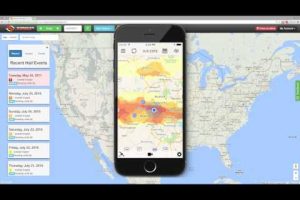
Whether you are a homeowner assessing storm damage, an insurance adjuster investigating a claim, or a roofing contractor preparing for a busy season, a hail report is one of the most powerful tools at your disposal. A hail report provides detailed, timestamped data about hailstone size, storm intensity, and the geographic footprint of a severe weather event. In this comprehensive guide, we will walk you through everything you need to know about hail reports — from understanding what they contain, to interpreting the data, to using them strategically for insurance claims and property assessments. If you have ever wondered how to document hail damage or what a hail severity map actually tells you, this article will give you the clarity and confidence you need.
What Exactly Is a Hail Report?
A hail report is a detailed document or dataset that records information about a hailstorm event. Unlike a basic weather forecast or a simple storm notification, a hail report captures granular details such as hailstone diameter, wind speed during the event, storm duration, the path the storm took, and the severity rating of the hail impact. These reports are generated by organizations like the National Weather Service (NWS), Storm Prediction Center (SPC), and third-party weather data providers such as WeatherSignal, Climavision, and HailTrace. The data is often collected from a combination of ground-based hail pads, radar observations, satellite imagery, and eyewitness storm spotter reports.
For most people, the value of a hail report becomes clear in the aftermath of a severe storm. It transforms an ambiguous question — “Was my property actually hit by hail?” — into a verifiable, evidence-backed answer. That distinction can make or break an insurance claim, a roofing inspection, or a property valuation decision.
Types of Hail Reports You Should Know About
Not all hail reports are created equal. Depending on your specific needs, different types of reports offer varying levels of detail and accuracy. Below are the most common types of hail reports you will encounter.
1. NWS Hail Reports (Storm Reports)
The National Weather Service publishes official storm reports that include hail size observations confirmed by trained weather spotters or law enforcement. These reports are considered the gold standard for official records. They include the date, time, location, hail size (often compared to common objects like quarters or golf balls), and any associated damage.
2. Radar-Derived Hail Reports
Radar-based hail reports use dual-polarization radar technology to estimate hailstone size within a storm cell. While these reports are more automated and cover broader areas, they are estimates rather than direct measurements. They are excellent for identifying storm tracks and hail swaths but should be supplemented with ground truth when possible.
3. Insurance Industry Hail Reports
Companies like Verisk, Property Claims Services, and CoreLogic provide specialized hail reports tailored for the insurance and roofing industries. These reports often include hail severity ratings, damage probability maps, and historical storm data for specific addresses. They are particularly valuable for adjusters and claims professionals who need to assess risk and estimate repair costs.
4. Third-Party Aggregator Reports
Platforms such as HailTrace, StormGeo, and AccuWeather offer consumer-friendly hail reports that allow you to enter your address and receive a storm history specific to your property. These tools are increasingly popular among homeowners who want quick, accessible information without needing meteorological expertise.
How to Read and Interpret a Hail Report
Reading a hail report effectively requires understanding a few key data points. Here is what to look for when you pull up a report for your area:
- Storm Date and Time: This is the most basic but critical piece of information. You need to confirm that the storm occurred during the window when your property was potentially exposed.
- Hail Size: Hailstones are often described by comparison objects — a quarter (approximately 1 inch) is the threshold at which most insurance policies consider hail damage a covered peril. Reports that list diameter in inches are more precise than those using comparison objects alone.
- Storm Path and Swath Width: The geographic path of the storm determines which properties were in the direct impact zone. A narrow swath might mean your neighbor was hit but you were not, or vice versa.
- Severity Rating: Many industry reports assign a severity score based on hail size, storm speed, and wind field intensity. Higher severity ratings indicate a greater likelihood of measurable damage.
- Associated Weather Data: Wind speed, rainfall intensity, and storm duration all influence the extent of property damage. A report that includes this context gives you a more complete picture.
Why a Hail Report Is Essential for Insurance Claims
If you have ever filed an insurance claim for hail damage, you know how critical documentation is. Insurance adjusters are trained to scrutinize claims, and a hail damage report serves as independent, third-party evidence that a severe weather event occurred at your property. Here is why this matters:
- Establishes a timeline: The report timestamps the storm, proving that damage occurred during a covered event rather than from gradual wear and tear.
- Documents hail size: Most policies require hail of a certain size (typically 1 inch or larger) to qualify for coverage. The report provides this evidence directly.
- Supports your contractor’s assessment: When a roofing contractor finds damage during an inspection, pairing their findings with a hail report strengthens the credibility of your claim.
- Helps prevent claim denial: Without documented storm data, adjusters may attribute damage to other causes, leading to a denied or underpaid claim.
Comparing Top Hail Report Sources
Not all hail report platforms are the same. The table below compares some of the leading sources based on key criteria that matter to homeowners, contractors, and insurance professionals.
| Source | Data Type | Address-Level Search | Cost | Best For |
| National Weather Service (NWS) | Official storm reports | No (city/county level) | Free | Official documentation and legal records |
| HailTrace | Consumer + industry reports | Yes | Free basic / Paid premium | Homeowners checking their property quickly |
| CoreLogic | Insurance-grade hail data | Yes | Paid (professional access) | Insurance adjusters and claims teams |
| Verisk (now part of Verisk Analytics) | Industry risk assessment | Yes | Paid (industry subscription) | Roofing contractors and insurers |
| StormGeo | Commercial hail analytics | Yes | Paid (enterprise) | Large-scale property management firms |
Expert Tips for Maximizing the Value of a Hail Report
To get the most out of your hail report, consider these practical recommendations from industry professionals:
- Cross-reference multiple sources. Never rely on a single report. Compare NWS data with radar estimates and third-party reports to build a more complete picture of what happened during the storm.
- Document everything visually. Even the best hail report is a supplement to, not a replacement for, physical documentation. Take photographs of any damage, keep receipts for temporary repairs, and maintain written records of all communication with your insurance company.
- Act quickly after a storm. Most insurance policies have time-sensitive filing requirements. Pull your hail report as soon as possible after an event so you can file promptly and avoid delays.
- Understand the limitations of radar-based reports. Radar estimates are models, not measurements. A radar report may suggest hail of a certain size, but ground-truth verification through spotter reports or physical evidence is always preferable.
- Use historical hail data proactively. If you are buying a property or considering a roof replacement, review the hail report history for that address. Properties in hail-prone regions may need more durable roofing materials, and insurers may use this data to set premiums.
The Role of Hail Reports in Roof Inspections and Property Valuation

For roofing contractors and property inspectors, hail reports have become an indispensable part of the workflow. When a storm hits, contractors use hail reports to identify which neighborhoods were affected and proactively offer free roof inspections to homeowners. This proactive approach builds trust and generates qualified leads. Property appraisers and real estate professionals also reference hail reports when assessing a home’s condition, especially in regions like Texas, Oklahoma, Colorado, and Nebraska where severe hail events are frequent and costly.
In the property valuation world, a history of repeated hail events can influence a buyer’s decision and a lender’s appraisal. A comprehensive hail report history demonstrates that the property has documented storm exposure, which can be a factor in negotiating price or requesting repairs before closing.
Common Misconceptions About Hail Reports
There are several myths surrounding hail reports that can lead to confusion or missed opportunities:
- “If my roof has no visible damage, the hail report doesn’t matter.” — Even without visible dents or missing shingles, hail can compromise the integrity of roofing materials, reducing their lifespan. A hail report can trigger a preventive inspection that catches hidden damage.
- “All hail reports are the same.” — As we discussed, the quality, granularity, and purpose of reports vary significantly. Always choose the right report type for your situation.
- “The insurance company will get the report for me.” — While adjusters may reference their own data, having your own independently sourced hail report gives you a stronger negotiating position.
Conclusion
A hail report is far more than a weather data point — it is a critical piece of evidence that can protect your property, your investment, and your insurance claim. Whether you are a homeowner documenting storm damage, a contractor building a hail-aware business, or an insurance professional streamlining the claims process, understanding how to access, read, and use hail reports gives you a significant advantage. By leveraging the right tools, cross-referencing data sources, and acting quickly, you can ensure that you are fully prepared when severe weather strikes.

Frequently Asked Questions (FAQs)
What does a hail report show for my specific address?
A hail report for your specific address shows the date, time, hail size, storm severity, and path of any hailstorm that affected your property. Address-level reports from platforms like HailTrace or CoreLogic allow you to enter your exact location and receive a customized storm history, including whether hail of damaging size (typically 1 inch or larger) fell within a quarter-mile radius of your home.
How do I use a hail report to file an insurance claim?
To use a hail report for an insurance claim, first confirm the storm date and hail size match the damage you observed. Present the report alongside photographs of the damage, a contractor’s inspection report, and any repair estimates. This combination of independent weather data and physical evidence creates a compelling case for your adjuster and significantly increases your chances of a favorable claim outcome.
Are free hail reports accurate enough for insurance purposes?
Free hail reports from sources like the NWS or basic consumer tools provide valuable data, but they may lack the granularity and address-level specificity that insurance companies prefer. For high-value claims or disputed claims, investing in a professional-grade report from CoreLogic or Verisk adds credibility and reduces the risk of denial due to insufficient documentation.
What is the difference between a hail report and a storm report?
A hail report specifically focuses on hailstone size, severity, and geographic impact, while a storm report may encompass a broader range of severe weather phenomena including tornadoes, wind damage, flooding, and lightning. A hail report is a specialized subset of storm reporting data, designed to give detailed information about one specific hazard.
How far back do hail reports go for a property?
Most professional hail report databases maintain records going back 10 to 20 years or more. The NWS storm event database goes back to the early 2000s for most locations, while commercial platforms may offer even deeper historical data. This long-term perspective is invaluable for assessing a property’s cumulative storm exposure and planning for roof maintenance or replacement.