Hurricanes rank among the most powerful and destructive natural phenomena on Earth, capable of reshaping coastlines, devastating communities, and altering entire ecosystems in a matter of hours. Whether you are a resident of a coastal region, a disaster preparedness professional, or simply someone curious about how these storms impact our world, understanding the effects of hurricanes goes far beyond headlines about wind speeds and floodwaters. From immediate physical destruction to long-term economic consequences, environmental disruption, and the way climate change is intensifying every aspect of hurricane behavior, there is a vast landscape of information worth exploring. This article dives deep into the many dimensions of what hurricanes do to the environment, economies, infrastructure, and human lives — offering practical insights and expert-level analysis along the way.
How Hurricanes Form and What Drives Their Intensity
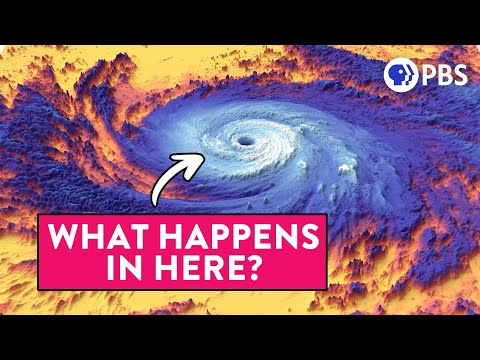
Before examining the effects, it helps to understand the mechanics behind these storms. Hurricanes form over warm tropical ocean waters, typically when sea surface temperatures reach at least 26.5°C (80°F). Warm, moist air rises rapidly, creating low pressure at the surface. As the system organizes and begins to rotate due to the Coriolis effect, it feeds on the energy of the ocean, growing in size and strength. The Saffir-Simpson Hurricane Wind Scale classifies hurricanes from Category 1 to Category 5, and each category brings dramatically different impacts.
Key Factors That Influence Hurricane Strength
- Sea surface temperature — Warmer water provides more fuel, often producing stronger storms with higher wind speeds and heavier rainfall.
- Wind shear — High vertical wind shear can tear a hurricane apart, weakening it before it makes landfall.
- Ocean heat content — Deeper warm water layers sustain hurricanes longer, even over land or cooler surface waters.
- Atmospheric moisture — Humid environments allow storms to produce extreme precipitation and flooding.
Understanding these drivers is essential because they directly determine the scale and severity of the effects hurricanes leave in their wake.
Environmental Effects of Hurricanes
One of the most profound consequences of hurricanes is the ecological transformation they cause. While destruction often comes to mind first, hurricanes also play a natural role in shaping landscapes and ecosystems over time.
Coastal ecosystems experience dramatic changes during hurricane events. Storm surges can inundate salt marshes, redistribute sediment, and alter tidal channels. Barrier islands, which serve as natural buffers for mainland coastlines, can lose significant portions of their sand volume in a single storm event. Mangrove forests, critical nurseries for marine species, may be stripped of leaves and branches, though they often recover over time and can even benefit from the nutrient deposits that flooding brings.
Forests and terrestrial wildlife also suffer significant impacts. High winds uproot ancient trees, defoliate canopies, and create gaps in forest cover that alter sunlight distribution on the forest floor. Wildlife populations can be displaced, and nesting habitats for birds and marine turtles are frequently destroyed during peak breeding seasons. On the positive side, hurricane-driven disturbances can promote biodiversity by creating new habitats and encouraging forest regeneration cycles.
Freshwater and Marine Systems
Heavy rainfall from hurricanes causes rivers to swell, leading to flooding that carries agricultural runoff, sewage, and debris into freshwater lakes and estuaries. This nutrient overload can trigger harmful algal blooms, depleting dissolved oxygen and creating so-called dead zones where fish and marine life cannot survive. Coral reefs, already stressed by warming ocean temperatures, suffer additional damage from powerful wave action and sediment burial during hurricane seasons.
Economic and Infrastructure Effects
The economic toll of hurricanes is staggering. According to the National Oceanic and Atmospheric Administration (NOAA), billion-dollar weather and climate disaster events have increased dramatically in frequency over the past two decades. Hurricanes consistently rank as the costliest of these events. The damage extends across multiple sectors:
- Residential and commercial property damage — Roofs torn off, walls collapsed, and entire buildings flooded result in billions of dollars in repair and rebuilding costs.
- Transportation and utility disruption — Downed power lines, washed-out roads, and damaged ports halt commerce and delay emergency response efforts for days or weeks.
- Agricultural losses — Flooded fields, destroyed crops, and contaminated water supplies devastate farming communities, sometimes for an entire growing season.
- Business interruption — Extended power outages and physical damage force businesses to close, leading to lost revenue and long-term economic slowdowns in affected regions.
Small island nations and economically vulnerable coastal communities often face disproportionate hardship, as their infrastructure is less resilient and their recovery budgets are severely limited. The indirect economic effects of hurricanes — including rising insurance premiums, declining property values, and shifts in population migration patterns — can persist for decades.
Social and Human Impact
Beyond dollars and infrastructure, hurricanes have deeply personal consequences for millions of people. Displacement is one of the most immediate effects, with entire communities forced to evacuate and often unable to return for weeks or months. Mental health impacts, including post-traumatic stress disorder (PTSD), anxiety, and depression, are well-documented among hurricane survivors, especially children and the elderly.
Public health risks spike after landfall. Contaminated drinking water, mold growth in flooded buildings, and the spread of vector-borne diseases like dengue and Zika become serious concerns during recovery periods. Vulnerable populations — including low-income families, people with disabilities, and those without reliable transportation — face the greatest challenges in accessing aid and rebuilding their lives.
How Climate Change Is Affecting Hurricanes
Scientists have long observed that rising global temperatures are altering hurricane behavior in measurable ways. Warmer ocean temperatures are fueling more intense storms, and increased atmospheric moisture is producing heavier rainfall rates. While the total number of hurricanes per season may not increase significantly, the proportion of major hurricanes (Category 3 and above) appears to be growing.
Key climate-related trends include:

- Rapid intensification — Storms are strengthening faster and more unpredictably, giving communities less time to prepare and evacuate.
- Higher rainfall rates — Studies show that hurricanes in a warmer climate produce 10–15% more precipitation than their historical counterparts.
- Slower forward speeds — Some research suggests hurricanes are stalling or moving more slowly over land, prolonging exposure to dangerous wind and flooding conditions.
- Expanded geographic range — Tropical cyclone formation zones are shifting poleward, putting previously unaffected regions at new risk.
These trends underscore the urgency of investing in resilient infrastructure, improving early warning systems, and developing comprehensive coastal management strategies.
Short-Term vs Long-Term Effects of Hurricanes
| Impact Category | Short-Term Effects | Long-Term Effects |
| Infrastructure | Building collapse, road washouts, power outages | Long-term rebuilding costs, infrastructure redesign |
| Economy | Business closures, job loss, supply chain disruption | Insurance premium increases, population migration |
| Environment | Flooding, habitat destruction, debris | Ecosystem recovery, sediment redistribution |
| Public Health | Injuries, water contamination, disease outbreaks | Chronic mental health issues, displacement stress |
| Agriculture | Crop destruction, livestock loss | Soil degradation, long-term yield reduction |
This comparison highlights that the effects of hurricanes are not confined to the storm itself — the recovery period often lasts months or years, and some consequences never fully reverse.
Practical Recommendations for Hurricane Resilience
Whether you live in a hurricane-prone area or are planning a relocation, taking proactive steps can significantly reduce your risk. Consider these expert-recommended strategies:
- Invest in hurricane-resistant building materials — Impact-resistant windows, reinforced roofs, and elevated foundations can dramatically reduce property damage.
- Develop a family evacuation plan — Know your zone, identify multiple routes, and prepare a go-bag with essential supplies for at least 72 hours.
- Review your insurance coverage — Standard homeowners policies often exclude flood damage. Consider purchasing separate flood insurance through the National Flood Insurance Program (NFIP).
- Stay informed with trusted sources — Monitor updates from the National Hurricane Center (NHC) and local emergency management agencies during storm season.
- Support community resilience programs — Neighborhood preparedness initiatives and early warning networks improve outcomes for entire communities.
Frequently Asked Questions (FAQs)
How long does it take for ecosystems to recover after a hurricane?
Recovery timelines vary widely depending on the hurricane’s intensity and the ecosystem type. Coastal wetlands and mangrove forests can regenerate within a few years, while coral reefs and old-growth forests may take decades to fully recover. Disturbance severity, water quality, and human intervention all influence recovery speed.
What are the most common indirect effects of hurricanes on communities?
Indirect effects include prolonged economic downturns, increased mental health challenges, population displacement, rising insurance costs, and infrastructure repair delays that can last years. These secondary consequences often exceed the direct physical damage in their overall impact on communities.
Can hurricanes actually benefit the environment?
Yes, to some degree. Hurricanes redistribute nutrients across marine and terrestrial ecosystems, replenish freshwater aquifers through heavy rainfall, and create new habitats through natural disturbance cycles. However, the benefits must be weighed against the significant destruction and ecological disruption these storms also cause.
Why are hurricanes producing more rainfall now than in the past?
Warmer atmospheric temperatures increase the capacity of the air to hold moisture — approximately 7% more water vapor per degree Celsius of warming. This thermodynamic principle, combined with slower-moving storm systems, results in significantly heavier precipitation rates during modern hurricane events compared to historical averages.
What is rapid intensification, and why is it becoming more common?
Rapid intensification refers to a hurricane increasing its maximum sustained winds by at least 30 knots (about 35 mph) within 24 hours. It is becoming more common because abnormally warm ocean surface temperatures and deep ocean heat content provide the energy necessary for storms to strengthen explosively, often catching forecasters and residents off guard.
Conclusion
The effects of hurricanes are multifaceted, far-reaching, and increasingly influenced by human-caused climate change. From the immediate devastation of wind and flood to the slow, grinding process of economic and ecological recovery, hurricanes test the resilience of both natural systems and human communities. By understanding the full scope of these impacts — environmental, economic, social, and health-related — we can better prepare, adapt, and invest in strategies that protect vulnerable populations and critical ecosystems. The storms are not slowing down, but our knowledge, preparedness, and collective resolve can help us weather whatever comes next.