



When winds hit 100 mph, the atmosphere transforms from a gentle breeze into a force of raw, unrelenting power that reshapes landscapes, strips buildings, and redefines what we think of as “severe weather.” Whether you are a homeowner preparing for hurricane season, a storm chaser studying meteorological extremes, or simply someone curious about how fast nature can become destructive, understanding what happens at the 100 mph threshold is essential. This comprehensive guide dives deep into the science, damage potential, historical events, and survival strategies associated with winds at 100 miles per hour and everything you need to know about this extraordinary wind speed.
What Are 100 mph Winds?
Winds reaching 100 miles per hour fall into an elite category of extreme weather events that most structures and ecosystems are not designed to withstand. At this velocity, air molecules are moving at approximately 147 feet per second, generating tremendous kinetic energy. The Beaufort Scale classifies 100 mph winds at Force 12, which is the highest level on that scale and corresponds to “hurricane force” conditions. To put this in perspective, 100 mph winds are strong enough to uproot mature oak trees, peel siding from homes, and turn everyday objects into dangerous projectiles.
Wind speed at 100 mph is not just a number on a weather report — it represents a fundamental shift in environmental conditions. The Saffir-Simpson Hurricane Wind Scale places 100 mph winds squarely in the Category 2 hurricane range, which means sustained winds between 96 and 110 mph can cause extensive damage to residential areas, infrastructure, and vegetation.
The Science Behind Winds at 100 Miles Per Hour
Understanding how winds reach the 100 mph threshold requires a look at atmospheric dynamics. Several factors contribute to wind generation at this extreme speed:
- Pressure gradients: The greater the difference in atmospheric pressure between two adjacent areas, the faster the wind moves to equalize that difference. Extreme low-pressure systems, such as those found in intense hurricanes and nor’easters, can generate pressure gradients powerful enough to drive winds to 100 mph.
- Coriolis effect: The Earth’s rotation deflects moving air masses, contributing to the rotation and intensification of storm systems. This effect becomes more pronounced at higher latitudes and helps sustain high wind speeds over extended periods.
- Funnel dynamics: In tornadoes and microbursts, the compression of rotating air columns accelerates wind speeds dramatically. Some of the most violent tornadoes produce gusts well beyond 100 mph.
- Jet stream interactions: Upper-level jet streams can transfer enormous amounts of kinetic energy downward, especially during bomb cyclones and intense extratropical cyclones.
Beaufort Scale Classification at 100 mph
The Beaufort Scale provides a standardized way to categorize wind speeds and their observable effects. At 100 mph, the scale reaches its maximum classification:
| Beaufort Number | Wind Speed (mph) | Classification | Observed Effects |
| 11 | 89–102 mph | Violent Storm | Widespread structural damage, trees uprooted |
| 12 | 103+ mph | Hurricane Force | Catastrophic destruction across broad areas |
It is worth noting that 100 mph sits right at the border between a Violent Storm (Force 11) and Hurricane Force (Force 12), meaning it carries the devastating characteristics of both categories. The transitional nature of this wind speed makes it particularly dangerous and unpredictable.
What Can 100 mph Winds Do? Damage and Destruction
The damage potential of 100 mph winds is staggering and well-documented by meteorologists, structural engineers, and emergency management professionals. Understanding what these winds can do helps underscore the importance of preparation and structural reinforcement.
- Structural damage to homes: Roofs are ripped off, windows shatter, and garage doors buckle. Even well-built homes can suffer significant damage when sustained 100 mph winds act on vulnerable points like roof edges and garage walls.
- Tree and vegetation destruction: Large hardwood trees snap or are uprooted entirely, blocking roads, crushing vehicles, and bringing down power lines.
- Flying debris: At 100 mph, even small objects like gravel, roof shingles, and patio furniture become high-speed projectiles capable of penetrating walls and causing serious injury.
- Power grid failures: Transmission lines snap, transformers explode, and widespread blackouts can last for weeks in severe cases.
- Vehicle displacement: Cars, trucks, and even SUVs can be moved laterally by sustained winds at this speed, particularly on elevated roadways and bridges.
- Coastal storm surge: When 100 mph winds accompany tropical cyclones, the wind-driven water creates storm surges that can inundate coastal communities entirely.
For homeowners and property managers, the key takeaway is that 100 mph wind damage is not a matter of “if” but “how much.” Investing in impact-resistant windows, reinforced roofing, and storm shutters significantly reduces vulnerability.

Historical Storms Featuring 100 mph Winds
Throughout recorded history, numerous storms have produced sustained or gust winds at or above 100 mph. Some of the most notable include:
- Hurricane Andrew (1992): Made landfall in South Florida with sustained winds of 165 mph, but outer bands produced 100 mph gusts across a much wider area, causing $27 billion in damages.
- Hurricane Michael (2018): Struck the Florida Panhandle as a Category 5 hurricane, with 100 mph winds extending far beyond the eye wall, devastating communities unprepared for the intensity.
- The Great Storm of 1987 (UK): Although classified as an extratropical cyclone, wind gusts exceeded 100 mph across southern England, felling millions of trees and shocking forecasters who had underestimated the storm’s intensity.
- Cyclone Tracy (1974): Destroyed over 70% of Darwin, Australia’s buildings, with gusts reaching 135 mph but sustained winds at or above 100 mph for hours.
These historical events demonstrate that 100 mph wind storms are not theoretical scenarios — they have shaped cities, altered coastlines, and rewritten emergency preparedness protocols around the world.

Preparing for winds at 100 mph requires a multi-layered approach that addresses structural integrity, emergency supplies, and personal safety planning. Here are expert recommendations:
Structural Preparations
- Install storm-rated garage doors, as garage failure is one of the most common points of structural collapse in high-wind events.
- Reinforce roof-to-wall connections using hurricane clips or straps rated for wind speeds exceeding 100 mph.
- Replace standard windows with PVB or laminated impact glass rated for high-velocity missile testing.
- Trim trees regularly, removing dead branches and reducing canopy density near structures.
- Secure or relocate outdoor furniture, grills, and decorative items that can become windborne projectiles.
Emergency Planning
- Build an emergency kit with at least 72 hours of water, food, medications, and flashlights.
- Identify a safe interior room on the lowest floor, away from windows and exterior walls.
- Stay informed through a NOAA Weather Radio or trusted weather app with real-time wind speed alerts.
- Know your evacuation route and have a plan for pets and family members with mobility challenges.
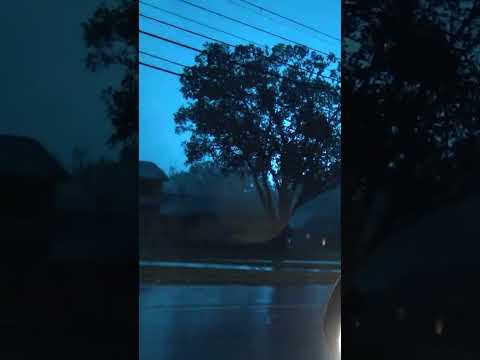
Expert meteorologists consistently emphasize that wind preparation is not optional for anyone living in a hurricane-prone or tornado-prone region. The difference between a near-miss and a catastrophe often comes down to whether a property was fortified in advance.
Comparing Wind Speeds: 100 mph vs Other Categories
To fully contextualize what 100 mph winds mean, it helps to compare them against other common wind speed benchmarks:
| Wind Event | Typical Speed Range (mph) | Damage Level | Example |
| Thunderstorm gusts | 58–75 mph | Moderate | Downed tree limbs, minor roof damage |
| Tornado (EF1) | 86–110 mph | Moderate to Significant | Roof stripped, mobile homes overturned |
| 100 mph winds | 100 mph | Extensive | Major roof failure, widespread tree damage |
| Hurricane Category 3 | 111–129 mph | Devastating | Complete roof failure, major home destruction |
| Tornado (EF4) | 166–200 mph | Devastating | Well-built homes leveled |
| Tornado (EF5) | 200+ mph | Incredible | Structures swept from foundations |
As the comparison table illustrates, 100 mph winds occupy a critical middle ground — they are strong enough to cause life-threatening damage and structural failure, yet not so extreme as to be in the catastrophic range of EF4 or EF5 tornadoes. This makes 100 mph winds particularly deceptive because people often underestimate the destruction potential, assuming they are “not as bad” as the highest-category storms.
Long-Term Impacts of Repeated 100 mph Wind Exposure
Communities that experience repeated high-wind events face cumulative damage that compounds over time. Chronic exposure to 100 mph gusts accelerates the degradation of building materials, erodes soil stability, and disrupts local ecosystems. Insurance premiums rise, property values decline, and the long-term economic burden on affected regions can be immense. Climate scientists note that as global temperatures rise, the frequency and intensity of storms capable of producing 100 mph winds may increase, making long-term resilience planning more urgent than ever.
Final Thoughts on 100 mph Winds
Winds at 100 mph represent one of the most dangerous and misunderstood forces in meteorology. They are not just a number — they are a measurable, predictable, and devastating expression of atmospheric energy that demands respect and preparation. Whether you are reinforcing a home, studying storm patterns, or simply trying to understand the risks in your region, knowledge about what 100 mph winds can do is your most powerful tool for staying safe.
The takeaway is clear: 100 mph winds are not a future hypothetical — they are a present reality for millions of people worldwide every hurricane season, every tornado outbreak, and every winter storm. Preparation, education, and structural investment are the keys to surviving and recovering from these extraordinary wind events.
FAQs About 100 mph Winds
Can 100 mph winds destroy a well-built house?
A well-built house constructed to modern building codes can survive 100 mph winds, but it will likely sustain significant damage including roof loss, broken windows, and structural strain. Homes built before modern wind-resistant codes are far more vulnerable, and even newer structures may experience partial roof failure or siding damage when exposed to sustained 100 mph winds for extended periods.
How long does a 100 mph wind event typically last?
The duration varies significantly depending on the storm type. In a hurricane, 100 mph winds may persist for several hours as the eye wall passes over an area. In a tornado, the peak wind speeds last only seconds to minutes, but even brief exposure at 100 mph causes extreme destruction. Nor’easters and extratropical cyclones can produce 100 mph gusts intermittently for 12 to 24 hours.
What is the difference between sustained winds and gusts at 100 mph?
Sustained winds are averaged over a one-minute period and represent the consistent force of the wind. Gusts are short bursts that can exceed sustained speeds by 20–30%. A storm with 100 mph sustained winds may produce gusts of 120–130 mph, which dramatically increases the damage potential. Insurance policies and building codes typically reference sustained wind speeds when determining risk and requirements.
How does 100 mph wind speed compare to a Category 2 hurricane?
100 mph winds fall directly within the Category 2 range on the Saffir-Simpson Hurricane Wind Scale, which spans from 96 to 110 mph sustained winds. A storm producing exactly 100 mph winds is classified as a strong Category 2 hurricane, capable of causing extensive damage to roofs, doors, and windows, and generating significant storm surge flooding along coastal areas.
Is it safe to drive in 100 mph winds?
Absolutely not. Driving in 100 mph winds is extremely dangerous and should be avoided entirely. High-profile vehicles like trucks, SUVs, and vans are particularly susceptible to being lifted or pushed off course by crosswinds at this speed. Even passenger cars can lose control, and flying debris from surrounding structures and trees poses a lethal hazard. If 100 mph winds are forecast, remain indoors in a secure location until the storm passes.