


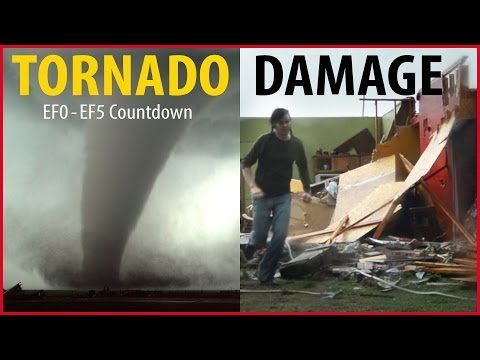
Tornadoes are among the most violent and unpredictable weather phenomena on Earth, capable of transforming entire neighborhoods into disaster zones within minutes. Understanding the full scope of damage from a tornado goes far beyond what the eye can see after the storm passes. From the crushing force of EF5 winds exceeding 200 miles per hour to the subtle but devastating structural compromise that weakens buildings over time, tornado destruction affects everything in its path — homes, infrastructure, landscapes, and human lives. This comprehensive guide breaks down every dimension of tornado damage, from immediate destruction patterns to long-term recovery strategies, giving homeowners, emergency responders, and storm enthusiasts the knowledge they need to understand, prepare for, and recover from these catastrophic events.
The Categories of Tornado Damage by Intensity
The Enhanced Fujita (EF) Scale is the primary system used by meteorologists and structural engineers to classify the severity of tornado damage. Each category represents a dramatic escalation in wind speed and corresponding destruction. Here is a detailed breakdown of what each level means for the structures and landscapes caught in the path.
EF0 to EF2: Light to Significant Damage
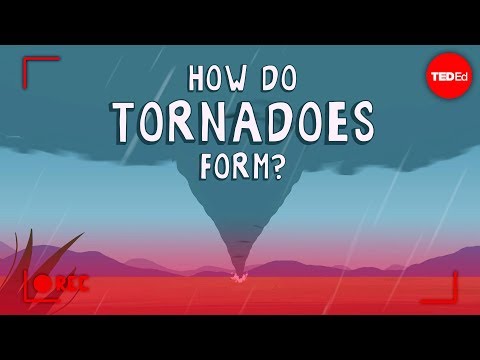
At the lower end of the scale, tornado damage still carries serious consequences. EF0 tornadoes produce winds between 65 and 85 mph, causing broken tree branches, shallow root damage, and minor roof shingle loss. EF1 events, with winds from 86 to 110 mph, can peel siding off homes, overturn mobile homes, and snap large tree trunks. By the time a tornado reaches EF2 intensity — winds of 111 to 135 mph — entire roofs are torn off well-built houses, mobile homes are completely destroyed, and large trees are snapped or uprooted entirely. These storms account for the majority of reported tornado damage each year, and even “lower-intensity” events can result in tens of thousands of dollars in property loss.
EF3 to EF5: Devastating to Incredible Damage
EF3 tornadoes carry winds between 136 and 165 mph, capable of destroying entire stories of frame houses, throwing vehicles, and debarking hardwood trees. EF4 storms, with winds from 166 to 200 mph, level well-constructed homes down to their foundations and deform steel-reinforced structures. The most catastrophic category, EF5, features winds exceeding 200 mph — these tornadoes sweep away reinforced concrete buildings, throw automobiles hundreds of yards, and strip asphalt from roadways. Understanding this escalation is critical for communities investing in tornado preparedness and building code improvements.
The Most Common Types of Property Damage from Tornadoes
When a tornado strikes, the destruction follows several distinct physical mechanisms, each inflicting a unique type of damage on structures and the surrounding environment.
Roof and Wall Failure Patterns
Roof damage is almost universal in tornado events, even at lower EF ratings. The uplift force generated by a tornado’s vortex pulls roofing materials upward, peeling away shingles, tiles, and metal panels. Once the roof is compromised, wind enters the structure, creating internal pressure that accelerates wall collapse. This chain reaction — known as the “breaching effect” — is one of the most common patterns in tornado property damage and is why proper roof strapping and continuous load paths in construction are so critical for resilience.
Infrastructure and Utility Damage
Beyond individual homes, tornado destruction devastates community infrastructure. Power lines are torn down, gas mains are ruptured, water treatment facilities are compromised, and communication towers collapse. Transportation corridors suffer as well — roads become impassable with debris, bridges sustain structural cracks, and vehicles are thrown or crushed. These secondary failures often delay emergency response efforts and prolong recovery timelines for affected communities by weeks or even months.
Hidden and Secondary Tornado Damage You Shouldn’t Ignore
One of the most dangerous aspects of tornado aftermath is the invisible damage that remains after the visible destruction is cleared away. Structural engineers frequently identify compromised load-bearing walls, hairline foundation cracks, and misaligned framing in buildings that appear intact from the outside. Water damage becomes a secondary threat when storm systems rupture plumbing, flood basements, and saturate insulation — creating ideal conditions for mold growth within 48 to 72 hours. Additionally, soil liquefaction can undermine foundations in areas with high water tables, leading to gradual settlement and structural failure months after the storm passes. Professionals recommend a thorough post-tornado inspection by a licensed structural engineer before re-entering any damaged building, no matter how minor the visible damage appears.
Comparing Structural Vulnerability to Tornado Winds
Not all buildings respond to tornado-force winds the same way. Construction type, building age, and foundation design all play enormous roles in determining how much damage a structure sustains. The following table compares common building types and their relative vulnerability to tornado damage.
| Building Type | Typical Wind Resistance | Damage at EF2 | Damage at EF4 |
| Modern stick-frame with storm straps | Moderate to high | Roof loss, broken windows | Partial collapse, severe deformation |
| Older unreinforced masonry | Low to moderate | Wall cracking, partial collapse | Total structural failure |
| Reinforced concrete | High | Window blowout, facade damage | Significant structural cracking |
| Mobile / manufactured homes | Very low | Complete destruction | Debris field, total loss |
| Steel-frame commercial buildings | Moderate | Cladding failure, roof deformation | Partial collapse, twisted frame |
The data clearly demonstrates that modern construction techniques — including continuous load paths, hurricane clips, reinforced foundations, and impact-resistant glazing — dramatically improve a building’s ability to survive moderate tornado events. However, even the strongest structures face catastrophic risk at EF4 and EF5 intensities, which is why community-level tornado shelters and underground safe rooms remain the gold standard for occupant protection in tornado-prone regions.
Practical Steps for Documenting and Recovering from Tornado Damage
If your property has been affected by tornado destruction, taking immediate, methodical action can significantly improve your recovery timeline and insurance outcomes.

- Document everything with photographs and video before moving debris or beginning repairs. Capture wide-angle views of the property, close-ups of specific damage, and timestamps whenever possible.
- Contact your insurance provider immediately and file a detailed claim. Keep a written log of every conversation, including adjuster names, dates, and reference numbers.
- Secure the property against further damage — tarp damaged roofs, board up broken windows, and shut off utilities if it is safe to do so. Insurance policies typically cover temporary mitigation expenses.
- Hire a licensed public adjuster if the claims process becomes contentious or the damage estimate seems inadequate. Public adjusters work exclusively on behalf of the policyholder.
- Keep all receipts for temporary housing, repairs, and emergency expenses — these are often reimbursable under comprehensive storm damage coverage.
- Engage structural engineers and certified restoration contractors before committing to permanent repairs. A proper assessment prevents hidden damage from becoming a larger, costlier problem down the road.
Recovery from tornado damage is rarely a linear process. Delays from insurance disputes, contractor availability, and supply chain shortages are common. Patience, thorough documentation, and professional guidance are your strongest assets during this period.
Long-Term Impact of Tornado Damage on Communities
The consequences of tornado destruction extend far beyond individual properties. Entire communities face economic disruption, population displacement, and psychological trauma that can persist for years after the storm. Small towns in tornado alley — places like Joplin, Moore, and Greensburg — have demonstrated that recovery is possible, but it requires significant investment in resilient rebuilding, updated building codes, and community-level tornado warning systems. FEMA disaster declarations, insurance payouts, and federal aid programs all play roles, but the human cost — lost memories, disrupted schooling, and long-term mental health challenges — is often the most difficult dimension of tornado damage to measure and address.
Frequently Asked Questions About Tornado Damage
What types of tornado damage are most common in residential areas?
The most frequently reported types of tornado damage in residential areas include roof removal, wall collapse, blown-out windows, and foundation shifting. In moderate-intensity events, fence and siding damage along with tree uprooting are extremely common. Even EF1 tornadoes — which many homeowners underestimate — can strip away gutters, dent metal roofing, and displace garage doors, creating entry points for wind and water that compound the damage over time.
How long does tornado damage recovery typically take?
Recovery timelines vary dramatically depending on the severity of the tornado damage and the resources available to the affected property. Minor repairs from an EF1 event may take two to four weeks, while full reconstruction after an EF4 or EF5 tornado can extend 12 to 24 months or longer. Insurance processing, contractor scheduling, permitting delays, and supply chain issues are the most common bottlenecks that prolong the recovery period for tornado-damaged properties.
Can tornado damage be covered by standard homeowners insurance?
Yes, in most standard homeowners insurance policies, tornado damage is classified as a windstorm or wind-related peril and is covered under dwelling and personal property coverage. However, flood damage caused by the storm — including rain infiltration through a compromised roof — typically requires separate flood insurance through the National Flood Insurance Program. Policyholders should carefully review their coverage limits and deductibles, especially in high-risk tornado regions where premiums may be higher.
What are the best ways to reduce tornado damage risk to a home?
Reducing tornado damage risk involves a combination of structural reinforcement and emergency planning. Key measures include installing a rated storm shelter or safe room, reinforcing roof-to-wall connections with hurricane clips, using impact-resistant windows and doors, securing large exterior structures like garages and sheds, and maintaining an emergency communication plan. Homes built to the 2018 International Building Code or later with continuous load path requirements have measurably higher survival rates in tornado events compared to older constructions.
Why do some buildings survive a tornado while neighboring structures are destroyed?
Survivability depends on a combination of factors including construction materials, building age, foundation type, proximity to the tornado’s center path, and the specific intensity of wind speeds experienced. A well-anchored, reinforced-concrete building on the outer edge of a tornado’s path may sustain zero damage, while an older frame house directly in the EF4 core could be completely obliterated. Wind speed variation across the tornado’s width — sometimes from 65 mph on one side to over 200 mph on the other — explains why adjacent structures can experience vastly different outcomes from the same storm event.
Conclusion
Damage from a tornado represents one of the most intense and concentrated forms of natural disaster destruction on the planet. From the moment a funnel cloud touches down, the forces unleashed — measured in hundreds of miles per hour — overwhelm conventional building designs and reshape entire landscapes in seconds. Understanding the mechanics of tornado damage, preparing your property with modern reinforcement techniques, documenting losses thoroughly in the aftermath, and committing to resilient rebuilding are all essential steps for anyone living in tornado-prone areas. The storms themselves are beyond human control, but our response to them — through smart construction, informed preparedness, and community resilience — can mean the difference between total loss and survivable damage. Stay informed, stay prepared, and never underestimate the power of the tornado in your path.