


When it comes to protecting your home, few investments carry the weight and impact of a roof replacement. Whether you are dealing with storm damage, aging shingles, or simply upgrading to a more durable roofing material, changing your roof is one of the most significant home improvement decisions you will ever make. A well-executed roof change does more than just improve curb appeal — it enhances energy efficiency, increases property value, and shields your entire house from water intrusion and structural deterioration. In this comprehensive guide, we walk you through every aspect of the roof replacement process, from recognizing the warning signs that it is time for a new roof, to understanding costs, selecting materials, and hiring the right roofing contractor. Whether you are a first-time homeowner exploring a new roof installation or a seasoned property owner refreshing an aging system, this article delivers the actionable insights you need.
Why Roof Replacement Becomes Necessary
Roofs do not last forever, and knowing when a full replacement is more practical than repeated repairs saves both time and money. Over time, exposure to UV radiation, rain, wind, snow, and temperature fluctuations degrades even the highest-quality roofing systems. Understanding the underlying reasons for a roof change helps you make an informed decision rather than reacting in a crisis.
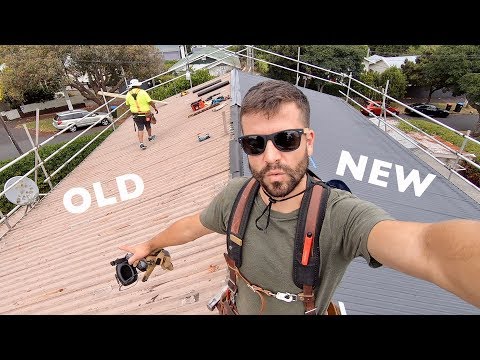
- Age and Wear: Most asphalt shingle roofs last 20 to 30 years. After this threshold, granules erode, waterproofing diminishes, and failure becomes inevitable.
- Storm and Weather Damage: Hail, high winds, and fallen branches can compromise the integrity of your roofing surface, even if damage is not immediately visible.
- Structural Decay: Prolonged moisture exposure rots roof decking and promotes mold growth, threatening the entire home envelope.
- Energy Efficiency: Older roofs lack modern insulation and reflective coatings, driving up heating and cooling costs significantly.
- Home Sale Preparation: Buyers and inspectors routinely flag aging roofs, making a roof change one of the highest-return investments before listing a property.
Signs Your Roof Needs to Be Replaced
Spotting early warning signs prevents catastrophic failures and costly interior water damage. Regular inspections from the ground and from the attic can reveal problems long before they escalate.
Exterior Warning Signs
- Curling or Buckling Shingles: Shingles that lift at the edges or develop a cupped shape have lost their ability to repel water effectively.
- Granule Loss: Check your gutters and downspouts for an accumulation of dark granules, which signals the asphalt mat is breaking down.
- Visible Daylight Through the Roof Boards: If sunlight penetrates the attic, so can rain and pests.
- Sagging Roof Deck: A drooping ridgeline indicates structural weakening and requires immediate attention.
- Missing or Cracked Shingles: Exposed underlayment accelerates deterioration across large sections of the roof.
Interior Warning Signs
- Water stains on ceilings or walls, especially after heavy rainfall
- Mold or mildew growth in attic spaces
- Increased energy bills due to failing insulation and ventilation
- Peeling paint on interior walls near the attic or upper floors
How Much Does It Cost to Change a Roof
The roof replacement cost varies widely depending on the size of your home, the slope of the roof, the materials you choose, and regional labor rates. On average, homeowners spend between $8,000 and $25,000 for a complete roof change. Understanding the components of this cost helps you budget realistically and avoid surprise expenses.
| Roofing Material | Cost per Square Foot | Estimated Lifespan | Best For |
|---|---|---|---|
| Asphalt Shingles | $3.50 – $5.50 | 20–30 years | Budget-conscious homeowners |
| Metal Roofing | $8.00 – $16.00 | 40–70 years | Long-term durability and energy savings |
| Clay Tiles | $10.00 – $18.00 | 50–100 years | Mediterranean and Spanish-style homes |
| Slate Tiles | $12.00 – $25.00 | 75–200 years | Premium luxury and historic restorations |
| Synthetic/Synthetic Slate | $5.00 – $9.00 | 30–50 years | Lightweight alternative with aesthetic appeal |
Keep in mind that the total price includes tear-off of the old roof, disposal fees, new underlayment, flashing, ventilation improvements, and any necessary decking repairs. A roofing contractor can provide a detailed breakdown after a physical inspection of your property.
Choosing the Right Roofing Material
Selecting the best roofing material for your home involves balancing aesthetics, longevity, budget, and local climate conditions. Each option comes with distinct advantages and trade-offs.
Asphalt Shingles
The most popular choice among American homeowners, asphalt shingles offer affordability, ease of installation, and a wide range of color options. Architectural or dimensional shingles provide a more layered, premium appearance compared to traditional three-tab shingles. Fiberglass-based shingles also resist fire better than organic mats, making them a safer choice for wildfire-prone regions.
Metal Roofing

Standing seam and metal shake profiles have surged in popularity for their exceptional durability and energy-reflective properties. Metal roofs shed snow and ice more effectively and resist wind gusts exceeding 140 mph. They are an excellent long-term investment for homeowners prioritizing a low-maintenance roof with a modern aesthetic.
Tile and Slate
Clay and concrete tiles deliver Mediterranean charm and extraordinary longevity, while natural slate offers a timeless, high-end look. Both materials are significantly heavier than shingles, requiring reinforced roof decking and structural assessment before installation.
Step-by-Step Roof Replacement Process
Understanding how a professional roof change unfolds helps you set expectations, communicate clearly with your contractor, and identify potential issues during the project.
- Inspection and Assessment: A licensed roofing contractor evaluates the existing roof, checks decking for rot, examines flashing and ventilation, and provides a detailed estimate.
- Permits and Paperwork: Most municipalities require a building permit for full roof replacements. Your contractor typically handles this process.
- Tear-Off: The old shingles, underlayment, and sometimes the decking are removed down to the bare roof structure. This is the messiest phase and usually takes one full day.
- Decking Repairs: Any damaged plywood or OSB planks are replaced, ensuring a solid foundation for the new roof.
- Underlayment Installation: A waterproof synthetic or felt underlayment is rolled across the roof deck, with ice-and-water shield applied in vulnerable valleys and eaves.
- Flashing and Ventilation: Drip edges, step flashing around chimneys and vents, and ridge or soffit vents are installed to manage moisture and airflow.
- Shingle or Material Installation: The new roofing material is applied in rows, starting at the eave and working upward, with proper nailing patterns and overlap.
- Final Inspection and Cleanup: The contractor performs a quality check, cleans up debris, and schedules a follow-up to verify performance after the first major storm.
Expert Tips for a Successful Roof Change
Drawing from decades of industry experience, these practical recommendations help you avoid common pitfalls and maximize the return on your roof investment.
- Never skip the underlayment: Even premium shingles fail without proper moisture barriers. Invest in self-adhering ice-and-water shield in critical zones.
- Replace the decking when needed: If soft spots are discovered during tear-off, replacing the plywood now prevents callbacks and future leaks.
- Upgrade your ventilation: A balanced intake-and-exhaust ventilation system extends roof life by reducing heat buildup and moisture condensation in the attic.
- Check contractor licensing and insurance: Verify state licenses, general liability insurance, and workers’ compensation coverage before signing any contract.
- Ask about warranty coverage: Quality roofing manufacturers offer material warranties of 30 to 50 years, while workmanship warranties vary by contractor. Roofing warranty terms should always be documented in writing.
- Time your project wisely: Spring and fall offer the best balance of favorable weather and contractor availability. Avoid winter installations in colder climates unless urgency demands it.
- Request a detailed written estimate: A trustworthy roofing contractor breaks down costs by material, labor, permit fees, and disposal charges, leaving no room for ambiguity.
Conclusion
Changing your roof is a substantial investment that directly influences the safety, efficiency, and market value of your home. By recognizing the warning signs early, understanding material options and associated costs, and partnering with a reputable roofing contractor, you can navigate the process with confidence. Whether you choose a cost-effective asphalt shingle system or a premium metal roof designed to last a lifetime, the key to a successful new roof installation lies in meticulous preparation, quality materials, and expert craftsmanship. Take the time to research, ask questions, and protect your investment — your roof is the first line of defense between your family and the elements.
Frequently Asked Questions
How long does a roof replacement typically take?
For most residential homes, a complete roof change takes between one and three days, depending on the size of the roof, the complexity of the design, the material selected, and weather conditions. Larger homes with steep slopes or multiple valleys may require additional time for proper flashing and ventilation installation.
Can I install a new roof over the old shingles?
In some cases, yes — this is known as a re-roof or overlay. However, most building codes limit overlays to two layers of shingles. Installing a new roof over an old one can trap moisture, hide underlying damage, and void manufacturer warranties. A full tear-off and replacement is always recommended for long-term performance.
What is the average lifespan of a changed roof?
The lifespan depends entirely on the material used. Asphalt shingle roofs typically last 20 to 30 years, metal roofing systems endure 40 to 70 years, and natural slate can survive 75 to 200 years with proper maintenance and regular roof inspections.
Do I need to replace the roof if there are only a few leaks?
Not necessarily. Localized leaks caused by damaged flashing, a missing shingle, or a small puncture can often be repaired without a full roof change. However, if leaks are widespread or recurring, it usually indicates systemic deterioration that warrants a complete replacement rather than repeated patchwork.
What should I look for when hiring a roofing contractor?
Verify state and local licensing, confirm active general liability and workers’ compensation insurance, check online reviews and ratings on platforms like Google and the Better Business Bureau, request a portfolio of completed projects, and obtain at least three detailed written estimates before making your decision. A licensed, insured, and experienced roofing contractor will provide transparency throughout the entire process.