


When it comes to protecting your home, business, or property, an alarm system is no longer a luxury — it is a fundamental layer of security that can mean the difference between a peaceful night’s sleep and a devastating loss. Whether you are a homeowner looking to safeguard your family, a small business owner protecting inventory, or a property manager overseeing multiple locations, understanding how modern alarm systems work, what options are available, and how to choose the right one is essential. This comprehensive guide dives deep into everything you need to know about alarm systems in 2024, from basic sensor technology to advanced smart integrations that give you full control from anywhere in the world.
What Is an Alarm System and Why Does It Matter?
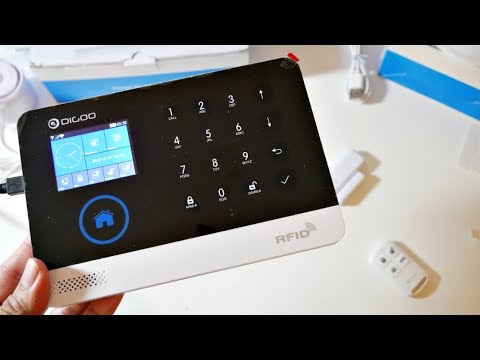
At its core, an alarm system is an interconnected network of electronic devices designed to detect unauthorized entry, environmental hazards, or specific triggers and alert occupants and authorities accordingly. A typical setup includes a central control panel, sensors placed at entry points and interior zones, motion detectors, sirens or strobes, and a communication module that sends alerts to monitoring centers or your smartphone.
The importance of having a reliable security alarm system extends far beyond deterring burglars. Modern systems also monitor for fire, carbon monoxide leaks, and flooding, making them a multi-threat solution. Studies consistently show that homes without alarm systems are significantly more likely to be targeted by intruders, and properties with visible alarm signage experience reduced break-in rates by up to 60%.
Types of Alarm Systems Available Today
The alarm system market has evolved dramatically, offering solutions ranging from simple wired setups to fully autonomous smart ecosystems. Below is a detailed breakdown of the most common types.
1. Wired Alarm Systems

Wired alarm systems rely on physical connections — typically low-voltage wiring — to link sensors, detectors, and the control panel. These systems are known for their reliability because they are less susceptible to wireless interference or signal jamming. They are commonly installed in new construction or during major renovations where wiring can be run behind walls and ceilings. However, retrofitting a wired system in an existing home can be invasive and labor-intensive.
2. Wireless Alarm Systems
Wireless alarm systems use radio frequency signals, Wi-Fi, Zigbee, Z-Wave, or proprietary protocols to communicate between components. Their biggest advantage is ease of installation — most wireless kits are designed for DIY setup with no drilling or wiring required. Popular brands like Ring, SimpliSafe, and Ajax offer wireless configurations that appeal to renters and homeowners who want flexibility. The trade-off is that wireless signals can occasionally be disrupted, though modern encryption standards have largely addressed security concerns.
3. Smart Alarm Systems
Smart alarm systems represent the cutting edge of home security technology. These platforms integrate with broader smart home ecosystems, allowing users to control locks, cameras, lights, and sensors through a single app. Systems like Google Nest Secure, Abode, and Alarm.com offer features such as geofencing, voice control, automated routines, and real-time video verification. A smart alarm system does not just alert you — it learns your behavior patterns and adapts to reduce false alarms while maximizing protection.
4. Monitored vs. Unmonitored Systems
Monitored alarm systems send alerts to a professional monitoring center that can dispatch emergency services on your behalf. Unmonitored systems trigger local sirens and send notifications to your phone, but rely on you or a neighbor to contact authorities. Monitored systems provide peace of mind at a monthly cost, while unmonitored systems tend to be more affordable but offer less guaranteed response.
Key Components of a Modern Alarm System
Understanding the individual components of an alarm system helps you evaluate installations and troubleshoot issues effectively.
- Control Panel: The brain of the system, where all sensor data is processed and alerts are initiated.
- Door and Window Sensors: Magnetic reed switches that detect when a secured entry point is opened.
- PIR Motion Detectors: Passive infrared sensors that detect body heat and movement within defined zones.
- Glass Break Sensors: Acoustic or vibration-based detectors that identify the specific frequency of shattering glass.
- Sirens and Strobes: Loud audible alarms and high-intensity lights designed to deter intruders and alert occupants.
- Keypads and Remotes: Control interfaces for arming, disarming, and managing the system.
- Smoke and CO Detectors: Environmental sensors integrated into the alarm network for life safety.
- Communication Modules: Cellular, Wi-Fi, or Ethernet uplinks that transmit alerts to monitoring centers or mobile devices.
How to Choose the Right Alarm System
Selecting the best alarm system depends on several factors, including property size, budget, monitoring preferences, and technical comfort level. Here is a practical framework to guide your decision.
- Assess your security needs. Conduct a walkthrough of your property and identify vulnerable entry points, high-value areas, and environmental risks.
- Decide between professional installation and DIY. Professional systems like ADT or Vivint offer hands-on setup and ongoing support, while DIY kits like SimpliSafe and Ring provide flexibility and lower upfront costs.
- Evaluate monitoring options. Compare monthly monitoring fees, contract lengths, and response protocols among providers.
- Check integration capabilities. If you already use smart home devices, choose a system compatible with Alexa, Google Home, Apple HomeKit, or SmartThings.
- Prioritize reliability. Look for systems with cellular backup, battery reserves, and redundant communication paths to ensure uptime during power outages or internet disruptions.
Alarm System Costs: What to Expect
The cost of an alarm system varies widely based on the type, brand, and monitoring tier. Below is a general cost comparison to help you budget appropriately.
| System Type | Upfront Cost (USD) | Monthly Monitoring Fee | Best For |
| Basic DIY Wireless Kit | $150 – $400 | $0 – $15 (self-monitoring) | Renters, budget-conscious homeowners |
| Mid-Range Smart System | $300 – $800 | $15 – $45 | Families, tech-savvy users |
| Professional Monitored System | $500 – $1,500+ | $30 – $60 | High-security needs, businesses |
| Enterprise Commercial System | $2,000 – $10,000+ | $50 – $200+ | Multi-site businesses, warehouses |
Keep in mind that some providers offer equipment financing, promotional discounts, or bundle deals that include cameras and smart locks, which can significantly reduce your initial investment.
Installation Tips and Expert Best Practices
Even the most advanced alarm system will underperform if installed incorrectly. Follow these expert recommendations to maximize effectiveness.
- Place the control panel in a central, hidden location. This prevents intruders from disabling the system before it can fully alert authorities.
- Install door sensors on every exterior entry point, including garage doors and basement entries that are often overlooked.
- Position motion detectors at strategic heights — typically 6 to 8 feet — to avoid pet triggers while maintaining coverage.
- Test your system monthly. Press the test button on the control panel and verify that all sensors communicate properly with the monitoring center.
- Replace batteries in wireless sensors every 2 to 3 years, or sooner if you receive low-battery alerts.
- Use signage and yard placards. Visible alarm system branding is one of the most effective deterrents against opportunistic burglars.
Trends Shaping the Future of Alarm Systems
The alarm industry is being reshaped by artificial intelligence, machine learning, and the Internet of Things. Modern systems increasingly use behavioral analytics to distinguish between routine household activity and genuine threats, dramatically reducing false alarm rates. Video verification — where a security camera captures footage the moment a sensor triggers — is becoming standard in professional monitoring packages, giving dispatchers real-time visual confirmation before sending police. Additionally, biometric access control, such as fingerprint or facial recognition on smart locks, is merging access control with intrusion detection into a single seamless security ecosystem.
Another significant trend is the rise of consumer-grade systems with professional-grade features. Companies like SimpliSafe and Ring have made high-quality monitoring accessible at a fraction of the cost of traditional providers, forcing legacy companies like ADT and Vivint to modernize their pricing and technology offerings. This competitive landscape benefits consumers enormously, driving innovation and lowering barriers to entry.
Conclusion
Choosing and deploying the right alarm system is one of the most impactful decisions you can make for the safety of your property and the people inside it. Whether you opt for a simple wireless kit, a professionally monitored setup, or a fully integrated smart security ecosystem, the key is to match your system to your specific needs, budget, and lifestyle. With the right components, proper installation, and consistent maintenance, an alarm system provides not just protection — but genuine peace of mind that lasts every single day.

Frequently Asked Questions
What is the best alarm system for a small apartment?
For a small apartment, a compact DIY wireless system like SimpliSafe or Ring Alarm is ideal. These kits are affordable, easy to install without landlord approval in most cases, and offer self-monitoring options that eliminate monthly fees. Focus on door/window sensors for the main entry point and a motion detector for the living area.
Can an alarm system work without internet?
Yes. Many modern alarm systems include cellular backup as a primary or secondary communication channel. Even Wi-Fi-dependent systems like Ring Alarm offer optional cellular plans that keep your system connected and functional during internet outages, ensuring your security is never compromised.
How much does professional alarm monitoring cost per month?
Professional monitoring typically costs between $20 and $60 per month, depending on the provider and service level. Basic plans cover intrusion alerts and dispatch, while premium plans may include video verification, fire monitoring, and environmental sensor tracking. Always review contract terms before committing to avoid hidden fees.
What is the difference between a burglar alarm and a fire alarm?
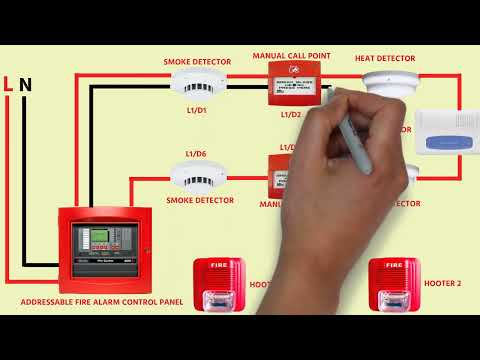
A burglar alarm is designed to detect unauthorized entry through door sensors, motion detectors, and glass break sensors. A fire alarm detects smoke, heat, or combustion byproducts using smoke detectors and heat sensors. Many modern systems combine both into a single integrated platform, but they serve fundamentally different threat-detection purposes.
How long does it take to install a wireless alarm system?
Most wireless alarm systems can be installed in 30 minutes to 2 hours for a typical single-family home. DIY kits come with step-by-step instructions and adhesive-backed sensors that require no tools. Professional installations usually take 2 to 4 hours, depending on the complexity of the system and the number of zones configured.