


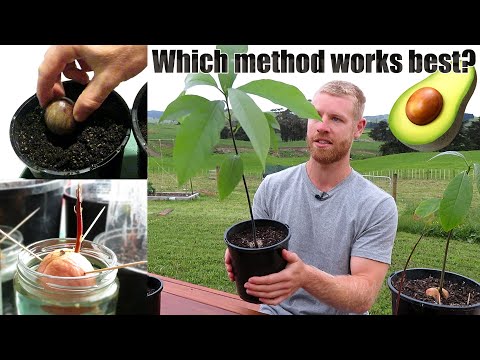
Growing a healthy avocado tree is one of the most rewarding investments any gardener can make, whether you are nurturing a young sapling in a backyard orchard or tending to an indoor potted tree on a sunny windowsill. Avocado tree care involves a careful balance of proper watering, sunlight exposure, soil composition, pruning techniques, and pest management. Many enthusiasts struggle because they assume this tropical tree is difficult to maintain, but the truth is that understanding its core needs makes all the difference. This guide covers everything from beginner fundamentals to advanced strategies, giving you the practical knowledge to keep your avocado tree thriving for decades.
Understanding Your Avocado Tree’s Basic Needs
Before diving into the specifics of avocado tree maintenance, it helps to understand what makes this plant unique. Avocado trees belong to the Lauraceae family and originate from the warm climates of Central and South America. They thrive in USDA hardiness zones 9 through 11, though certain cold-hardy varieties like the Bacon and Stewart avocado can tolerate brief dips near freezing. The key to successful avocado tree care lies in replicating its native subtropical environment as closely as possible, regardless of where you live.
Three foundational elements govern the health of your avocado tree:
- Water balance — Avocado roots are shallow and sensitive to both overwatering and drought stress.
- Sunlight access — These trees demand full sun exposure for at least six to eight hours daily.
- Soil drainage — Poorly draining soil is the single fastest way to kill an avocado tree through root rot.
Mastering these three pillars gives you a strong baseline before addressing more advanced topics like fertilization schedules or pest prevention.
Watering Your Avocado Tree Correctly
How Often Should You Water an Avocado Tree?
Watering frequency depends heavily on your climate, soil type, and whether the tree is planted in the ground or in a container. As a general rule, young avocado trees need watering two to three times per week during their first year, while mature trees do well with deep irrigation once every seven to ten days.
The best approach is the finger test — push your finger about two inches into the soil near the drip line. If it feels dry at that depth, it is time to water. If it is still moist, wait another day or two. This simple habit prevents the most common mistake in avocado tree care: overwatering.
- Water deeply and slowly, allowing moisture to penetrate at least 12 inches into the root zone.
- Mulch around the base with a three-to-four-inch layer of wood chips, keeping it a few inches away from the trunk.
- Reduce watering frequency during winter months when the tree’s growth slows down.
- Use a drip irrigation system or soaker hose to deliver consistent moisture without wetting the canopy.
Sunlight and Placement for Optimal Growth
Avocado trees are sun-loving plants that will struggle in partial shade. When grown outdoors, plant them in a location that receives unobstructed southern or western exposure. For those growing an avocado tree indoors, place it near a south-facing window or supplement with full-spectrum grow lights for 10 to 12 hours daily.
Young trees are particularly sensitive to intense afternoon sun and may suffer from leaf scorch during their first summer. Consider providing temporary shade cloth during peak heat until the tree establishes a robust canopy.
Soil Requirements and pH Management
The ideal soil for avocado trees is loose, well-aerated, and slightly acidic, with a pH range between 6.0 and 6.5. Heavy clay soils are a major problem because they trap water around the roots, leading to Phytophthora root rot — the most devastating disease affecting avocado trees worldwide.
| Soil Factor | Ideal Range | What Happens if Ignored |
| pH Level | 6.0 – 6.5 | Nutrient lockout and poor root development |
| Drainage | Fast-draining | Root rot and fungal infections |
| Organic Matter | High (3-5%) | Compacted soil and stunted growth |
| Salinity | Low (< 1.5 dS/m) | Leaf burn and reduced fruit yield |
If your native soil is heavy clay, amend it generously with perlite, coarse sand, and aged compost before planting. For container-grown trees, use a high-quality citrus and avocado potting mix combined with extra perlite for added drainage.
Fertilization Strategies That Actually Work
What Nutrients Does an Avocado Tree Need?
Avocado trees are heavy feeders, especially when they are producing fruit. The three macronutrients they need most are nitrogen, potassium, and phosphorus, but micronutrients like zinc, boron, and magnesium also play critical roles in fruit development and leaf health.
Use a balanced fertilizer with an NPK ratio around 6-4-6 or 8-3-9 specifically formulated for avocado or citrus trees. Apply fertilizer in early spring and again in late summer, spreading it evenly under the canopy drip line.
- Young trees (1-3 years): Apply one pound of actual nitrogen per tree per year, split into four smaller feedings.
- Mature fruiting trees: Increase to four to six pounds of actual nitrogen per tree annually.
- Organic option: Well-composted manure, fish emulsion, or bone meal provide slow-release nutrition without chemical burn risk.
Avoid placing fertilizer directly against the trunk, as this can cause bark damage and invite disease pathogens.
Pruning and Tree Maintenance
Pruning is an essential component of avocado tree care, but it should be done with restraint. Unlike fruit trees like apples or peaches, avocados do not require aggressive annual pruning. The best time to prune is in late winter or early spring, just before the active growing season begins.
Focus on removing dead, diseased, or crossing branches first. Thin out dense canopy areas to improve air circulation and light penetration, which reduces the risk of fungal infections. If you are growing an avocado tree indoors, light pinching of new growth tips encourages bushier, fuller branching.

One expert tip many gardeners overlook is heading back tall leaders to encourage lateral branching. This creates a stronger structural framework that can better support heavy fruit loads without breaking.
Common Avocado Tree Problems and Solutions
Even well-cared-for avocado trees can encounter issues. Here are the most frequent problems and how to address them:
- Yellowing leaves: Often caused by overwatering or iron chlorosis in alkaline soils. Test your soil pH and adjust accordingly.
- Leaf drop: Stress from sudden temperature changes or inconsistent watering triggers premature leaf shedding.
- Root rot (Phytophthora): The most serious avocado disease. Improve drainage immediately and consider fungicide treatments containing phosphorous acid.
- Avocado sunblotch viroid: A viral condition causing yellow streaks on leaves and distorted fruit. Remove and destroy infected trees to prevent spread.
- Pest infestations: Watch for avocado thrips, mites, and scale insects. Treat with neem oil or insecticidal soap as a first response.

Growing Avocado Trees Indoors: What You Need to Know
Indoor avocado tree care presents unique challenges because you are essentially recreating a microclimate. Choose a large pot with drainage holes — at least 15 gallons for a mature tree — and use a lightweight, fast-draining potting mix. Place the container on a wheeled stand so you can move it outdoors during warm months.
Indoor trees rarely fruit unless you provide excellent light, consistent humidity, and proper pollination. Gently shaking the branches during flowering season helps distribute pollen, and introducing a small fan improves air movement around the blossoms.
How Long Does It Take for an Avocado Tree to Produce Fruit?
Patience is one of the most important lessons in avocado tree care. Trees grown from seed can take five to thirteen years to produce their first fruit, while grafted trees from nurseries typically begin fruiting within three to four years. The wait is worth it when you finally harvest creamy, homegrown avocados straight from your own tree.
Conclusion
Avocado tree care is not complicated, but it does require consistency and attention to detail. From the way you water and the soil you choose to your pruning schedule and pest management routine, every decision shapes the long-term health and productivity of your tree. Start with the fundamentals — proper drainage, adequate sunlight, and a disciplined watering schedule — and gradually incorporate advanced techniques as your confidence grows. Whether your goal is a lush ornamental tree in your living room or a prolific backyard fruit producer, the principles remain the same. Invest the time now, and your avocado tree will reward you with years of beauty and abundant harvests.
Frequently Asked Questions
Can I Grow an Avocado Tree from a Pit, and Is It Worth It?
Yes, you can grow an avocado tree from a pit using the toothpick-and-water method, but trees grown from seed are unpredictable. They may take over a decade to fruit and often produce fruit that is inferior in quality compared to grafted varieties. For reliable results, purchase a grafted tree from a reputable nursery.
Why Are the Leaves on My Avocado Tree Turning Brown and Curling?
Brown, curling leaves are typically a sign of underwatering, low humidity, or salt buildup in the soil. Flush the soil thoroughly with water to leach out excess salts, increase humidity around the tree, and adjust your watering schedule to keep the soil consistently moist but never waterlogged.
What Is the Best Fertilizer for an Avocado Tree?
A fertilizer formulated specifically for avocado or citrus trees with an NPK ratio around 6-4-6 works best. For organic growers, fish emulsion combined with kelp extract provides excellent micronutrient support. Always apply at half the recommended strength for the first application to avoid root burn.
How Much Sun Does an Avocado Tree Need Each Day?
Avocado trees require a minimum of six to eight hours of direct sunlight daily for optimal growth and fruit production. Indoor trees should be placed in the brightest available spot or supplemented with LED grow lights to meet this requirement.

How Do I Protect My Avocado Tree from Cold Weather?
Most avocado varieties cannot tolerate temperatures below 30°F (-1°C). Protect your tree by covering it with a frost cloth during cold snaps, wrapping the trunk with insulation, and placing a heat lamp nearby if temperatures are expected to drop significantly. Choosing cold-hardy varieties like the Mexicola or Bacon avocado gives you a much better chance of surviving cooler winters.