


Navigating the world of auto insurance policies can feel overwhelming, especially if you are a new driver or someone who has never compared coverage options before. Whether you are looking for basic liability protection or a comprehensive policy that covers every scenario, understanding how car insurance works is essential for protecting your finances, your vehicle, and your peace of mind. This guide breaks down everything you need to know — from the different types of coverage to expert strategies for lowering your premiums — so you can make informed decisions with confidence.
What Are Auto Insurance Policies and Why Do You Need One?
Understanding the Core Purpose of Vehicle Coverage
An auto insurance policy is a contract between you and an insurance carrier that provides financial protection in the event of accidents, theft, vandalism, or other damages involving your vehicle. In exchange for regular premium payments, the insurer agrees to cover specific losses outlined in your policy agreement. Without adequate coverage, a single accident can result in thousands — or even hundreds of thousands — of dollars in out-of-pocket expenses, including medical bills, vehicle repairs, and legal fees.
Beyond financial protection, most states mandate minimum liability insurance requirements for vehicle owners. Driving without the legally required coverage can lead to fines, license suspension, and even legal action. Even if your state does not require insurance, financing or leasing a vehicle almost always demands full coverage until the loan is paid off.
Types of Auto Insurance Coverage Explained
Liability Coverage: The Foundation of Every Policy
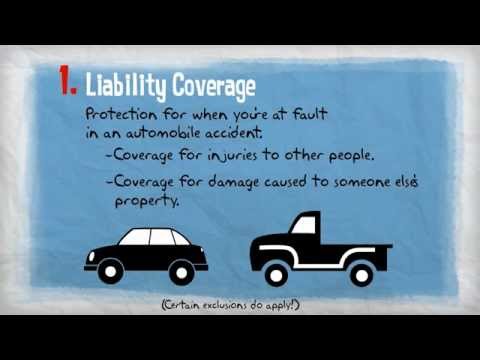
Liability coverage is the most fundamental component of any vehicle protection plan. It pays for bodily injury and property damage you cause to others in an accident where you are at fault. Most states require drivers to carry minimum liability limits, typically expressed as three numbers — such as 25/50/25 — representing the maximum payout per person for injury, per accident for injury, and per accident for property damage, respectively.
However, minimum liability limits are often insufficient for serious accidents. Experts strongly recommend carrying higher limits, especially if you have significant assets that could be seized in a lawsuit. Adding umbrella liability insurance can provide an extra layer of protection above your standard policy limits.
Collision and Comprehensive Coverage: Protecting Your Vehicle
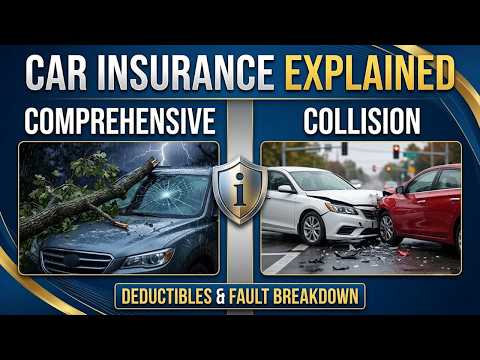
Collision coverage pays for repairs to your own vehicle after an accident, regardless of who is at fault. Comprehensive coverage, sometimes called “other than collision,” extends protection to non-accident-related events such as theft, fire, flooding, hail damage, and vandalism. Together, these two coverages form the “full coverage” package that lenders and leasing companies typically require.
When deciding whether to carry collision and comprehensive coverage, consider your vehicle’s current market value, your deductible amount, and your personal financial situation. If your car is older and worth less than the annual premium cost, dropping these coverages might make financial sense — but only after careful calculation.
Uninsured and Underinsured Motorist Protection

Uninsured motorist (UM) and underinsured motorist (UIM) coverage protect you when the other driver involved in an accident lacks sufficient insurance — or has no insurance at all. This type of coverage can pay for medical expenses, lost wages, and vehicle repairs when the responsible party cannot. Given that a significant percentage of drivers on the road operate vehicles without adequate insurance, UM and UIM coverage are increasingly considered essential rather than optional.
Key Factors That Determine Your Auto Insurance Premium
Insurance companies calculate your premium using a complex combination of risk factors. Understanding these variables can help you anticipate your rates and identify opportunities for savings.
Driving Record and Claims History
Your driving history is arguably the single most influential factor in determining your premium. Traffic violations, at-fault accidents, and DUI convictions signal higher risk to insurers and can significantly increase your rates. Conversely, maintaining a clean driving record over several years can earn you substantial discounts and better policy terms.
Vehicle Type, Usage Patterns, and Personal Profile
The make, model, and year of your vehicle also play a role. High-performance cars and luxury vehicles typically cost more to insure due to higher repair costs and theft rates. Your annual mileage, primary parking location, and even your credit score in certain states can influence pricing. Age and gender remain relevant factors as well, with younger and less experienced drivers generally facing higher premiums.
| Factor | Impact on Premium | Can You Reduce It? |
| Driving record | High — violations and accidents raise rates significantly | Yes, by maintaining a clean record over time |
| Vehicle type | Moderate to high — luxury and performance cars cost more | Partially, by choosing a safer, more economical vehicle |
| Annual mileage | Moderate — higher mileage increases risk | Yes, by reducing annual driving distance |
| Credit score | Moderate — lower scores may increase premiums (state-dependent) | Yes, by improving credit health over time |
| Coverage limits and deductibles | High — higher limits and lower deductibles increase cost | Yes, by adjusting deductible amounts and coverage levels |
| Location | Moderate — urban areas typically have higher rates | Partially, by parking in secure locations |
| Bundling policies | Reduces cost — combining home and auto saves money | Yes, by purchasing multiple policies from one insurer |

How to Choose the Right Auto Insurance Policy for Your Needs
Assessing Your Coverage Needs Step by Step
Choosing the right policy starts with a honest evaluation of your financial situation, driving habits, and risk exposure. Follow these steps to narrow down the best option for your circumstances:
- Review your state’s minimum requirements. Know exactly what your state mandates so you do not underinsure yourself legally.
- Evaluate your vehicle’s value. Use resources like Kelley Blue Book or Edmunds to determine your car’s current market worth.
- Consider your assets. If you own a home, have significant savings, or have a high income, higher liability limits and umbrella coverage protect those assets.
- Analyze your daily driving patterns. Long commutes, frequent highway driving, and harsh weather conditions all increase risk.
- Compare quotes from multiple insurers. Rates can vary dramatically between companies for identical coverage levels, so always shop around.
- Review available discounts. Safe driver programs, multi-policy bundles, military discounts, and telematics-based programs can reduce your costs meaningfully.
Common Auto Insurance Mistakes to Avoid
Many policyholders make avoidable mistakes that leave them underprotected or overpaying. One of the most common errors is simply accepting the first quote or sticking with the same insurer for years without comparison shopping. Premiums and offerings change frequently, and loyalty does not always translate into the best rate.
Another frequent mistake is selecting deductibles that are too low, which inflates monthly premiums unnecessarily. While low deductibles reduce upfront costs, they do not make financial sense for everyone. Additionally, failing to report changes in your driving habits — such as working from home or reducing annual mileage — means you could be missing out on usage-based discounts that insurers offer.
Some drivers also neglect to add roadside assistance, rental reimbursement, or medical payments coverage, assuming they are unnecessary. These add-ons are often affordable and can provide critical support during unexpected breakdowns or accidents.
Expert Tips to Save Money on Your Auto Insurance
Saving on your vehicle protection plan does not mean sacrificing coverage quality. Here are proven strategies that both beginners and experienced policyholders can use:
- Increase your deductible. Raising your collision and comprehensive deductible from $500 to $1,000 can lower your premium by 15% to 30% in many cases.
- Maintain continuous coverage. Lapses in insurance history can trigger significant rate increases, so avoid letting your policy cancel.
- Enroll in telematics programs. Many insurers offer usage-based insurance that tracks driving behavior and rewards safe habits with lower rates.
- Combine policies. Purchasing renters insurance, homeowners insurance, or life insurance from the same carrier often unlocks multi-policy discounts.
- Improve your credit profile. In states where credit is used as a rating factor, improving your score can lead to meaningful premium reductions.
- Ask about every discount. Insurers offer discounts for good students, defensive driving courses, military service, and professional memberships — many of which are not automatically applied.
Frequently Asked Questions About Auto Insurance Policies
What does full coverage auto insurance actually include? Full coverage refers to a policy that includes liability coverage, collision coverage, and comprehensive coverage. It does not mean every possible scenario is covered — you should review policy details carefully to understand exclusions, limits, and any additional endorsements you may need.
How often should you review or update your auto insurance policy? Experts recommend reviewing your policy at least once a year, or whenever a major life event occurs — such as moving to a new state, purchasing a new vehicle, getting married, or adding a teen driver to your policy. Regular reviews ensure your coverage remains aligned with your current needs.
Does filing an auto insurance claim always raise your rates? Not necessarily. Factors such as the severity of the claim, whether you were at fault, and your claims history all influence rate changes. Some insurers offer accident forgiveness programs for policyholders with clean records, and certain types of claims — such as comprehensive claims for weather damage — may have minimal or no rate impact.
What is the difference between a named driver and a permissive use policy? A named driver policy covers only the specific individuals listed on the policy. A permissive use policy generally extends coverage to anyone who drives your vehicle with your permission, though there are usually limits and exceptions. Understanding this distinction is important when allowing friends or family members to operate your vehicle.
Are there auto insurance options for high-risk drivers? Yes. High-risk drivers — including those with DUIs, multiple accidents, or limited credit history — can typically obtain coverage through non-standard or specialized insurers. While premiums will be higher, maintaining continuous coverage and improving your driving record over time can help you transition to standard, more affordable rates.
How does the claims process work after an accident? After an accident, you should document the scene, exchange information with the other party, and contact your insurer promptly to file a claim. Your insurer will assign an adjuster to assess the damage, determine fault, and process the payout. Keeping thorough records, photographs, and medical documentation can significantly speed up the claims process and ensure you receive fair compensation.
Final Thoughts: Taking Control of Your Auto Insurance Journey
Auto insurance policies are not one-size-fits-all. The right coverage for a young driver in a metropolitan area looks very different from the ideal policy for a seasoned driver with a paid-off vehicle in a rural community. By understanding the types of coverage available, the factors that influence your premiums, and the strategies for optimizing your policy, you position yourself to make smarter, more cost-effective insurance decisions.
Take the time to compare quotes annually, reassess your coverage needs after major life changes, and never hesitate to ask your insurer questions about policy details. A well-structured auto insurance plan is not just a legal requirement — it is a critical financial safety net that protects your assets and your future.