


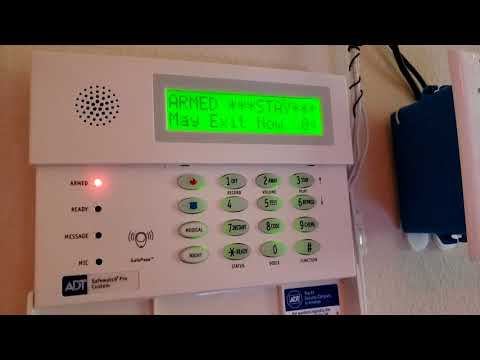
ADT alarms have long been a cornerstone of the home security industry, trusted by millions of homeowners who want reliable protection for their families and property. Since 1874, ADT has built one of the most recognizable names in security monitoring, evolving from a simple telegraph-based alert system into a sophisticated ecosystem of smart devices, professional monitoring, and mobile app control. Whether you are a first-time homeowner exploring security options or a seasoned property manager looking to upgrade your existing setup, understanding everything about ADT alarm systems can help you make a confident, informed decision. This guide dives deep into the types, features, pricing, and practical considerations surrounding ADT home security, giving you the expert-level insight you need.
What Are ADT Alarms and How Do They Work?
An ADT alarm system is a comprehensive home security solution designed to detect unauthorized entry, monitor environmental hazards, and alert homeowners and professional monitoring centers in real time. At its core, an ADT alarm works through a network of sensors, control panels, communication modules, and monitoring services that work together seamlessly. When a sensor detects a trigger — such as a door opening, a window breaking, or motion in a restricted area — the control panel processes the signal and immediately initiates a response chain.
ADT alarm systems rely on either a cellular, Wi-Fi, or landline connection to communicate with the central monitoring station. Modern ADT systems primarily use cellular backup, which ensures that your alarm remains operational even if a burglar attempts to cut your phone lines. Once the monitoring center receives the alert, trained professionals verify the situation and contact the appropriate authorities if needed.
Types of ADT Alarm Systems Available
ADT offers several tiers of security solutions, each tailored to different needs, budgets, and levels of technical expertise. Understanding these options is essential when comparing ADT alarm plans.

Wireless ADT Systems
Wireless ADT alarm systems are the most popular choice for modern homes. These systems use radio-frequency signals to connect sensors, detectors, and control panels without the need for physical wiring. Installation is straightforward, and you can often reposition sensors as your needs change.
Wired ADT Systems
Wired ADT systems are more common in new construction or major renovation projects where cables can be embedded into walls and ceilings. These systems tend to be more resistant to signal interference and tampering, making them a strong choice for homeowners who prioritize reliability over convenience.
Smart Home-Integrated ADT Systems
ADT has embraced the smart home revolution with systems that integrate with voice assistants like Amazon Alexa and Google Assistant. Through the ADT Control app, users can arm and disarm their systems, view live camera feeds, receive push notifications, and manage smart locks, lights, and thermostats — all from a single interface.
Key Features That Make ADT Alarm Systems Stand Out
When evaluating home security options, the feature set of your alarm system can make or break your overall experience. ADT alarms come loaded with capabilities that go beyond basic intrusion detection.
- 24/7 Professional Monitoring: ADT’s monitoring centers operate around the clock, ensuring that help is always dispatched during an emergency, whether you are home or away.
- Mobile App Control: The ADT Control app lets you manage your entire security ecosystem from your smartphone, including arming modes, camera views, and alert history.
- Smart Automation: Features like automated lighting, smart lock integration, and geo-fencing allow your alarm system to respond intelligently to your daily routines.
- Environmental Sensors: Beyond intrusion detection, ADT systems can include smoke detectors, carbon monoxide sensors, and flood sensors that protect against non-criminal hazards.
- Video Surveillance Integration: ADT offers professionally installed and self-installed camera options that integrate directly with the alarm panel, providing visual verification of any triggered event.
- Customizable Zones: You can divide your home into separate zones, allowing you to arm only specific areas while keeping others active or disabled.

ADT Alarm Pricing Plans and Monitoring Options
ADT alarm pricing varies based on the package you choose, the equipment included, and the level of monitoring service. Most ADT plans fall into three broad categories: self-monitoring, professional monitoring, and premium bundles.
| Plan Tier | Monthly Cost Range | Key Inclusions |
| Self-Monitoring | $0–$15 | App-based alerts, no professional dispatch |
| Standard Monitoring | $25–$45 | 24/7 professional monitoring, cellular backup |
| Premium Bundle | $45–$65+ | Advanced video, smart home integration, priority dispatch |
Keep in mind that ADT alarm costs also include equipment packages, which may involve upfront equipment fees or installment plans. Many users find that the long-term value of professional monitoring and rapid emergency response justifies the monthly investment.
ADT vs. Other Major Alarm Brands
The home security market is crowded with strong competitors, and it is important to understand where ADT stands relative to other leading brands. The following comparison highlights key differences.
| Feature | ADT | SimpliSafe | Vivint | Honeywell |
| Professional Monitoring | Yes | Optional | Yes | Yes |
| Contract Length | 36 months typical | No contract | 60 months typical | 36–60 months |
| Self-Installation Option | Available | Primary model | Professional install | Professional install |
| Smart Home Integration | Extensive | Moderate | Extensive | Moderate |
| Video Surveillance | Included in bundles | Add-on | Included | Add-on |
| Starting Price | ~$30/month | ~$15/month | ~$20/month | ~$35/month |
ADT holds a strong position thanks to its decades of industry experience, extensive dealer network, and comprehensive monitoring infrastructure. Brands like SimpliSafe attract budget-conscious consumers with no-contract flexibility, while Vivint competes in the premium smart home space. Honeywell appeals to users who prefer enterprise-grade hardware and integration.
How to Choose the Right ADT Alarm System for Your Home
Selecting the best ADT alarm setup depends on several factors, including your home’s size, your security priorities, and your comfort level with technology.
- Assess Your Security Needs: Walk through your property and identify vulnerable entry points, high-value rooms, and areas that need environmental monitoring like kitchens and garages.
- Decide Between Self-Install and Professional Installation: ADT offers both options. Professional installation ensures optimal sensor placement and system configuration, while self-install gives you flexibility and potentially lower upfront costs.
- Choose Your Monitoring Plan: If rapid emergency response is a priority, opt for professional monitoring with cellular backup. If you are comfortable handling alerts yourself, self-monitoring can reduce costs.
- Consider Future Expansion: Choose a system that allows you to add sensors, cameras, and smart devices over time without replacing the entire setup.
- Review Contract Terms Carefully: ADT contracts typically span 36 months. Understand early termination fees, equipment ownership rights, and any price-lock guarantees before signing.
Expert Tip: Many ADT dealers offer free in-home security assessments. Take advantage of these consultations to get personalized recommendations tailored to your specific property layout and risk profile.
Common Myths About ADT Alarm Systems
Despite ADT’s long reputation, several misconceptions persist among consumers. One common myth is that ADT systems are prohibitively expensive. While professional monitoring does add a monthly cost, the protection value — including insurance discounts, deterrent effects, and rapid police response — often outweighs the expense. Another myth is that ADT is only for large homes. In reality, ADT offers scalable packages suitable for apartments, condos, and small homes as well.
Final Thoughts on ADT Alarms
ADT alarms remain one of the most well-rounded and trusted home security solutions available today. With a legacy spanning over a century, a robust ecosystem of sensors and smart devices, and round-the-clock professional monitoring, ADT delivers both peace of mind and practical protection. Whether you prioritize cutting-edge smart home features, budget-friendly self-monitoring, or the reassurance of professionally dispatched emergency response, ADT has a system designed to meet those needs. The key is to evaluate your specific requirements, compare plans thoughtfully, and invest in a solution that grows with your home and your lifestyle.
Frequently Asked Questions About ADT Alarms
1. How much does it cost to install an ADT alarm system? Installation costs vary depending on whether you choose professional or self-install. Professional installation typically ranges from $0 to $200, depending on the package and any promotional offers available at the time of purchase. Many ADT plans include free installation when you sign a monitoring contract.
2. Can I use my ADT alarm system without a monitoring subscription? Yes, ADT offers self-monitoring options through the ADT Control app that allow you to receive push notifications and manage your system without a paid monitoring plan. However, you will not receive professional dispatch services during an emergency without a monitoring subscription.
3. How long does it take to install an ADT alarm system? Professional installations typically take between two to four hours, depending on the complexity of the system and the size of the property. Self-installed ADT systems can be set up in as little as 30 minutes for basic packages, though more advanced configurations may take longer.
4. Does ADT offer outdoor security cameras with their alarm systems? Yes, ADT provides outdoor security camera options that integrate seamlessly with their alarm systems. These cameras feature night vision, motion detection, two-way audio, and cloud video storage, giving you real-time visual confirmation of any security events at your property perimeter.
5. What happens if there is a power outage — will my ADT alarm still work? ADT alarm systems include battery backup that keeps your system operational during power outages. Additionally, cellular communication modules ensure that your system can still send alerts to the monitoring center even if your internet and landline are down.