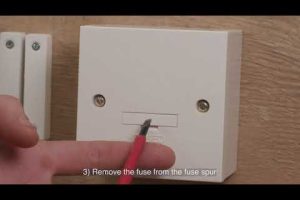
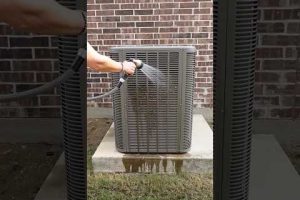
Keeping your home’s electrical system in top shape is one of the most overlooked yet critical aspects of household upkeep. Home electrical maintenance isn’t just about preventing annoying flickering lights — it’s about safeguarding your family, protecting your property investment, and ensuring that every outlet, switch, and circuit operates safely and efficiently. Whether you’re a new homeowner or have lived in your house for decades, understanding the fundamentals of residential electrical upkeep can save you thousands in costly repairs and, more importantly, prevent dangerous hazards like electrical fires and shock injuries. In this comprehensive guide, we’ll walk you through everything from basic safety practices to advanced system upgrades, giving you the knowledge and confidence to tackle electrical maintenance like a seasoned professional.
Why Home Electrical Maintenance Matters More Than You Think
Most homeowners only think about their electrical system when something goes wrong — a breaker trips, an outlet sparks, or a light fixture stops working. By then, the underlying issue could have been developing for weeks or even months. Regular electrical system servicing helps you catch problems early, long before they escalate into expensive emergencies or life-threatening situations. According to the National Fire Protection Association (NFPA), electrical failures or malfunctions are responsible for nearly 45,000 home fires each year in the United States alone. These fires cause hundreds of deaths, thousands of injuries, and billions of dollars in property damage annually.
The truth is that your home’s wiring, panels, and connected devices degrade over time. Age, weather exposure, pest damage, and simple wear and tear all contribute to electrical deterioration. A routine home wiring inspection can reveal hidden issues such as loose connections, corroded wires, outdated panels, or overloaded circuits that you would never notice just by looking at your walls.
Key Benefits of Consistent Electrical Upkeep
- Fire Prevention: Catching frayed wires, overheating outlets, and faulty connections before they ignite
- Energy Efficiency: Well-maintained systems consume less power, lowering your monthly electricity bills
- Appliance Longevity: Clean, stable electrical supply extends the lifespan of your electronics and major appliances
- Property Value: A well-documented, up-to-date electrical system increases your home’s resale appeal
- Safety Compliance: Ensures your home meets current local building codes and insurance requirements
Essential Electrical Safety Tips Every Homeowner Should Know
Before you start any maintenance work — even something as simple as replacing a light switch — you need to understand the non-negotiable safety fundamentals. Electrical work carries inherent risks, and respecting those risks is the first step toward becoming a competent DIY maintainer.
- Always Cut Power at the Breaker: Never assume an outlet is dead just because a light switch is off. Locate your circuit breaker panel and switch off the specific circuit you’ll be working on, then use a non-contact voltage tester to confirm zero power.
- Use the Right Tools: Invest in insulated screwdrivers, wire strippers, a quality multimeter, and voltage detectors. Cheap, uninsulated tools can give a false sense of security.
- Know Your Limits: There’s a clear line between simple upkeep and work that requires a licensed electrician. Panel replacements, new circuit installations, and anything involving the main service line should always be left to professionals.
- Keep Water Away: Never handle electrical components with wet hands or in damp conditions. Install ground fault circuit interrupters (GFCIs) in kitchens, bathrooms, garages, and outdoor areas.
- Label Your Breaker Panel: Many homes have poorly labeled or completely unlabeled breaker boxes. Take time to map each breaker to its corresponding room or appliance — this makes future troubleshooting exponentially easier.
DIY vs. Professional: Where to Draw the Line
There’s a spectrum when it comes to household wiring care. Simple tasks like replacing outlet covers, swapping light switches, or installing new fixtures are perfectly manageable for most homeowners with basic tools and research. However, anything involving opening the main panel, rewiring walls, upgrading service amperage, or troubleshooting persistent electrical faults should be handled by a certified electrician. Attempting advanced work without proper training not only voids warranties and insurance coverage but puts your entire household at risk.
Seasonal Electrical Maintenance Checklist
Think of electrical maintenance like seasonal car servicing — it needs to happen regularly, and certain tasks are better suited to specific times of the year. A structured seasonal approach ensures nothing falls through the cracks.
Spring and Summer Maintenance

- Inspect all outdoor outlets and weatherproof covers for damage or gaps
- Test GFCI outlets by pressing the “Test” and “Reset” buttons on every unit
- Check air conditioning units and their dedicated circuits for unusual noise or heat
- Examine outdoor lighting fixtures and replace any burnt-out bulbs or damaged wiring
- Clean your dryer vent and inspect the exhaust duct for lint buildup near the electrical connection
Fall and Winter Maintenance
- Test all smoke detectors and carbon monoxide alarms, replacing batteries as needed
- Inspect space heaters and their power cords for fraying or damage before heavy use
- Check your circuit breaker panel for any tripped breakers or signs of heat damage
- Examine indoor outlets near windows or exterior walls for drafts that could affect wiring insulation
- Schedule a professional whole-house electrical safety inspection
| Task | Frequency | Difficulty Level |
| Test GFCI outlets | Monthly | Beginner |
| Inspect outdoor outlets | Seasonally | Beginner |
| Check smoke detectors | Biannually | Beginner |
| Test circuit breakers | Quarterly | Intermediate |
| Full panel inspection | Annually | Professional |
| Rewire aging circuits | As needed | Professional |
Common Electrical Problems and How to Address Them
Even with the best preventive care, electrical issues can arise. Understanding what’s behind common problems empowers you to respond quickly and appropriately.
Flickering or Dimming Lights
Flickering lights are rarely just an annoyance — they’re often a symptom of a loose connection, an overloaded circuit, or a failing fixture. If the flickering happens when you turn on a high-wattage appliance like a microwave or refrigerator, it likely indicates a shared circuit issue. Tightening the bulb or replacing the fixture’s internal connections often resolves the problem, but persistent flickering warrants a professional circuit inspection.
Circuit Breakers That Trip Frequently
A breaker that trips occasionally when you overload a circuit is doing its job. A breaker that trips regularly under normal load conditions signals a deeper problem — potentially a short circuit, ground fault, or a breaker that’s nearing the end of its functional lifespan. Repeated tripping generates heat inside the panel, which accelerates degradation of the entire electrical system.
Warm Outlets or Switch Plates
If any outlet or switch plate feels warm to the touch, stop using it immediately and investigate. Warm outlets typically indicate loose wiring, a faulty connection, or an overloaded circuit. This is one of the most common precursors to electrical fires and should never be ignored or simply endured.
Burning Smell or Discoloration
A burning smell near an outlet or a visible discoloration (blackening or browning) around the socket is a serious red flag. Cut power to that circuit at the breaker and call a licensed electrician without delay. These signs indicate arcing, which can ignite surrounding materials within minutes.
Upgrading Your Home Electrical System
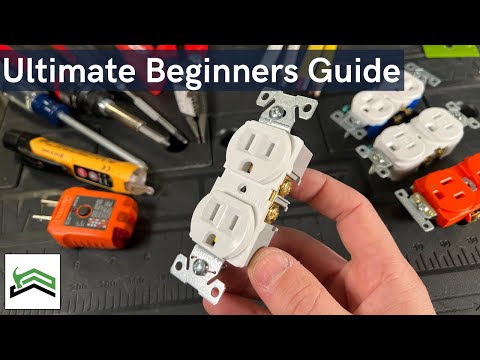
As technology evolves and our homes become more connected, older electrical systems can struggle to keep pace. Home electrical maintenance in the modern era increasingly involves strategic upgrades that improve capacity, safety, and convenience.
Panel Upgrades and Service Increases
Many older homes still operate on 100-amp electrical service, which was adequate decades ago but is often insufficient for today’s energy demands. Modern households with central air conditioning, electric vehicle chargers, smart home ecosystems, and high-powered kitchen appliances frequently benefit from upgrading to a 200-amp panel. A licensed electrician can assess your current panel, evaluate your load requirements, and recommend the appropriate service level for your household.
Smart Home Integration and Energy Monitoring
Smart electrical panels and whole-home energy monitors represent the cutting edge of residential electrical care. Devices like the Span Panel or Emporia Vue allow homeowners to monitor real-time energy consumption by circuit, set automated power management rules, and receive instant alerts when unusual draw patterns are detected. These systems transform passive electrical maintenance into an active, data-driven process.
Arc Fault Circuit Interrupters (AFCIs) and AFCI Breakers
If your home was built before 1999, your panel likely lacks AFCI protection, which detects dangerous arc faults and shuts down the circuit before a fire can start. Retrofitting AFCI breakers into your existing panel is one of the most impactful safety upgrades you can make, and many modern building codes now require them for nearly every bedroom circuit.
Practical Tips for Long-Term Electrical System Health
- Keep a Maintenance Log: Document every inspection, repair, and upgrade with dates and details. This log becomes invaluable during home inspections, insurance claims, or when selling your property.
- Don’t Overload Power Strips: Power strips are not a substitute for additional outlets. Daisy-chaining multiple strips together creates serious fire hazards.
- Replace Old Wiring: Homes with knob-and-tube wiring, aluminum branch wiring, or cloth-insulated cables should prioritize a full or partial rewiring project.
- Schedule Professional Inspections: Even if you handle basic maintenance yourself, having a qualified electrician perform a thorough inspection every 3 to 5 years is essential for catching hidden issues.
- Stay Current with Code Changes: Electrical codes evolve regularly, and what was compliant five years ago may not meet current standards. Staying informed ensures your home remains safe and insurable.
Preventive vs. Reactive Electrical Maintenance: A Comparison

| Factor | Preventive Maintenance | Reactive Maintenance |
| Cost Over Time | Lower — small, routine investments prevent major repairs | Higher — emergency repairs and damage restoration add up fast |
| Safety Level | Proactively eliminates hazards before they become dangerous | Addresses problems only after a failure or incident occurs |
| System Lifespan | Extends the life of wiring, panels, and connected devices significantly | Accelerates wear and tear on components due to recurring stress |
| Convenience | Scheduled at your convenience; minimal disruption | Emergency situations that interrupt daily life unexpectedly |
| Insurance Impact | May qualify for reduced premiums and better policy terms | Repeated claims can lead to premium increases or coverage denial |
Frequently Asked Questions
How often should I have my home electrical system professionally inspected?
Most electrical experts recommend a comprehensive professional inspection at least once every three to five years for homes under 40 years old. For older homes, those with known issues, or properties undergoing major renovations, annual inspections are strongly advised. If you notice any warning signs — frequent breaker trips, flickering lights, burning smells, or warm outlets — schedule an inspection immediately rather than waiting for the next scheduled visit.
What are the warning signs that my home’s wiring needs to be replaced?
Warning signs include frequently tripping breakers, flickering or dimming lights, buzzing sounds from outlets or switches, warm outlet covers, a burning plastic smell near electrical fixtures, visible sparking when plugging in devices, and a home still using two-prong ungrounded outlets. Additionally, homes built before the 1960s with original wiring are prime candidates for a full or partial rewiring project, especially if they still have knob-and-tube or aluminum wiring systems.
Can I replace a circuit breaker myself, or do I need to hire an electrician?
Replacing a standard single-pole circuit breaker is a task that many intermediate-level homeowners can handle safely, provided they turn off the main breaker and verify zero voltage before starting. However, replacing a main breaker, dealing with double-tapped connections, or working with any component connected to the utility’s service line should always be performed by a licensed professional. The risks of improper installation include electrocution, panel damage, voided warranties, and fire hazards that your homeowner’s insurance may not cover.
What is the difference between GFCI and AFCI outlets, and do I need both?
GFCI (Ground Fault Circuit Interrupter) outlets protect against electrical shock by detecting current leakage, typically in wet areas like kitchens, bathrooms, garages, and outdoor spaces. AFCI (Arc Fault Circuit Interrupter) outlets protect against electrical fires by detecting dangerous arcing in wiring. Modern building codes often require both types of protection in different parts of the home. AFCI protection is now mandatory for most bedroom circuits and increasingly required for living areas, while GFCI protection is mandated near water sources. Having both types where required provides layered protection against both shock and fire hazards.
How can I make my home’s electrical system more energy efficient?
Start by replacing all incandescent bulbs with LED alternatives, which use up to 75% less energy and last significantly longer. Install smart plugs and programmable thermostats to reduce phantom loads and optimize heating and cooling cycles. Consider upgrading to a smart electrical panel that provides real-time circuit-level monitoring so you can identify and eliminate energy-hungry devices or Vampire loads. Ensure your home has proper insulation around electrical boxes on exterior walls to reduce heat loss, and consider installing solar panels or a battery backup system to offset grid electricity costs over time.
Conclusion
Home electrical maintenance is not a glamorous topic, but it is one of the most important responsibilities that come with homeownership. A well-maintained electrical system is the invisible backbone of a safe, comfortable, and efficient home. By committing to regular inspections, staying informed about warning signs, performing appropriate DIY tasks, and knowing when to call in professionals, you protect everything under your roof — your family, your property, and your peace of mind. Start small, build your knowledge progressively, and remember that every maintenance task you complete today is an investment in the safety and value of your home for years to come. The wires behind your walls may be hidden, but the care you give them should never be neglected.