Whether you are checking the weather radar or dealing with the aftermath of a violent storm, the search term “hail near me” has become one of the most commonly typed queries by homeowners, drivers, and property managers across the globe. Hail is not just a weather curiosity — it is a destructive atmospheric phenomenon that can shatter windshields, dent vehicles, tear roofing materials, and cause billions of dollars in property damage every single year. Understanding how to locate active hail in your vicinity, recognizing the signs that a hailstorm is approaching, and knowing what protective steps to take can make the difference between a minor inconvenience and a costly disaster.
This comprehensive guide dives deep into everything you need to know about hail near your location, from the science behind how hail forms to practical strategies for tracking storms, minimizing damage, and recovering after an event. Whether you are a seasoned storm chaser or a homeowner simply trying to protect your property, this article delivers actionable insights grounded in meteorological expertise and real-world experience.
What Is Hail and How Does It Form?
Before you search for hail near me, it helps to understand what hail actually is. Hail consists of balls or irregular lumps of ice, typically ranging from the size of a pea to the size of a softball — and in extreme cases, even larger. These ice pellets form inside powerful cumulonimbus clouds during severe thunderstorms.
The formation process begins when strong updrafts carry raindrops upward into extremely cold regions of the atmosphere, often above 30,000 feet. As these droplets freeze, they collide with supercooled water particles, layering additional ice onto their surface. The updraft keeps the growing hailstone suspended until it becomes heavy enough to overcome the upward air current and falls to the ground. The longer a hailstone remains cycling inside the storm cell, the larger it grows.
Key Factors That Influence Hail Formation
- Updraft Strength: Stronger updrafts support larger hailstones, which is why supercell thunderstorms produce the most damaging hail.
- Freezing Level Altitude: A higher freezing level means hailstones have more time to grow before reaching the ground.
- Moisture Content: Abundant moisture in the mid-levels of the atmosphere feeds the growth process.
- Wind Shear: Changes in wind speed and direction at different altitudes help sustain the storm cell longer, allowing repeated hail growth cycles.
Understanding these factors is essential when interpreting hail warnings in your area, because not every thunderstorm produces hail — and not all hail events carry the same level of risk.
How to Find Hail Near You Right Now
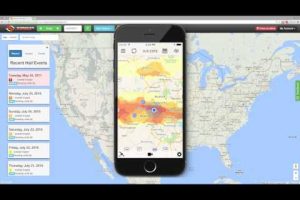
When you type “hail near me” into a search engine, you are looking for real-time, location-specific information. Fortunately, several tools and resources can deliver this data with remarkable precision.
Top Tools for Tracking Hail in Your Area
- National Weather Service (NWS) Radar: The NWS Doppler radar system detects precipitation signatures, including hail cores. The “hail spike” on radar imagery is a telltale indicator that ice is falling in your vicinity.
- Weather Apps with Hail Alerts: Apps like Weather Underground, AccuWeather, and MyRadar push real-time notifications when hail is detected within a configurable radius of your GPS location.
- Storm Prediction Center (SPC):strong> The SPC issues severe thunderstorm and hail watches across the United States, identifying regions where atmospheric conditions favor hail formation.
- Social Media and Local News: Twitter, community Facebook groups, and local news stations often report confirmed hail events faster than official channels, giving you a heads-up in your specific neighborhood.
- Satellite Imagery and Lightning Maps: Platforms like Earth.nullschool.net and Blitzortung.org show live atmospheric data that can help you correlate lightning activity with potential hail-producing storms.
Pro tip: Bookmark your local NWS forecast office page. These pages provide county-specific severe weather outlooks, including hail probability forecasts for the next several days.
Regions Most Prone to Hail
Some areas experience hail far more frequently than others. If you live in or near one of these regions, staying vigilant about hail in my area should be part of your routine weather monitoring.
| Region | Hail Frequency (Annual) | Typical Hail Size |
| Central Great Plains (Tornado Alley) | 7–10+ severe hail days per year | Quarter to golf ball size |
| Front Range of Colorado (Hail Alley) | 9–13 severe hail days per year | Nickel to tennis ball size |
| Texas and Oklahoma Panhandles | 6–8 severe hail days per year | Quarter to golf ball size |
| Northern Illinois and Indiana | 4–6 severe hail days per year | Pea to quarter size |
| Eastern Nebraska and Western Kansas | 5–8 severe hail days per year | Quarter to golf ball size |
| Southern Florida | 1–3 severe hail days per year | Pea to marble size |
Hail Alley, a corridor stretching from eastern Colorado through western Nebraska and into the Dakotas, holds the record for the most frequent severe hail events in North America. The unique combination of high elevation, dry mid-level air, and powerful spring and summer updrafts creates ideal conditions for large hail formation.
How to Prepare for a Hailstorm
Once you know that hail is approaching your location, taking proactive steps can significantly reduce the risk of damage to your property, vehicles, and personal safety.
Pre-Storm Preparation Checklist
- Move Vehicles Indoors: Park your car in a garage, carport, or covered parking structure. If no cover is available, use thick blankets or specialized hail covers to protect the paint and glass.
- Secure Outdoor Items: Bring in patio furniture, trash cans, garden equipment, and any loose objects that could become projectiles in high winds associated with hailstorms.
- Inspect Your Roof: Replace loose or damaged shingles before storm season. A compromised roof is far more vulnerable to hail penetration.
- Install Impact-Resistant Roofing: Class 4 shingles and metal roofing systems offer significantly better hail resistance compared to standard asphalt shingles.
- Trim Trees and Remove Dead Branches: Hail combined with wind can snap weakened limbs, causing additional property damage and safety hazards.
- Keep Emergency Supplies Ready: Stock flashlights, batteries, bottled water, and a first-aid kit in case of power outages following a severe storm.
Expert Tip: Consider investing in a whole-home hail protection system, such as impact-resistant windows and reinforced gutters. Insurance companies in hail-prone regions often offer premium discounts for homes with these upgrades.
Damage Caused by Hail and What to Do After a Storm
Even moderate hail can cause surprising amounts of damage. The size, density, and fall velocity of hailstones determine the extent of harm to structures, vehicles, crops, and personal property.
Common Types of Hail Damage
- Roof Damage: Dented, cracked, or missing shingles expose your home to water infiltration, leading to leaks, mold growth, and structural weakening over time.
- Vehicle Damage: Hail dents and cracks windshields, chip paint, and can destroy side mirrors and antennae.
- Siding and Exterior Walls: Vinyl siding cracks, aluminum panels dent, and wooden surfaces develop bruising that accelerates rot.
- Windows and Skylights: Glass can shatter or crack, especially when struck by larger hailstones at high velocity.
- HVAC and Outdoor Equipment: Condenser coils, air conditioning units, and outdoor generators are particularly vulnerable to hail impact, which can bend fins and reduce efficiency.
- Agricultural Losses: Crops such as wheat, corn, and soybeans can be devastated by hail, leading to significant economic losses for farmers.
Post-Storm Action Steps:
- Document all damage with photographs and videos before making any repairs.
- Contact your insurance provider immediately to file a claim.
- Hire a licensed roofing contractor or public adjuster to assess structural damage professionally.
- Cover any exposed areas with tarps or temporary sealant to prevent further water damage.
- Keep all receipts for emergency repairs and temporary housing, as most insurance policies reimburse these costs.
Comparing Hail Damage: Minor vs. Severe Events
| Category | Minor Hail Event | Severe Hail Event |
| Hailstone Size | Less than 1 inch (pea to nickel) | Greater than 1 inch (quarter to softball+) |
| Typical Damage | Minor cosmetic dents, no functional impact | Broken windows, cracked windshields, roof punctures |
| Repair Cost Range | $0–$500 | $1,000–$50,000+ |
| Insurance Claim Likelihood | Unlikely | Highly likely |
| Insurance Premium Impact | Minimal to none | Possible rate increase at renewal |
| Duration of Storm | 5–15 minutes | 20–60+ minutes |

Understanding where your hailstorm falls on this spectrum helps you prioritize your response and set realistic expectations for repairs and insurance recovery.
Long-Term Protection Strategies for Hail-Prone Areas
Reactive measures are important, but proactive planning is what separates well-protected homes from vulnerable ones. If you live in a region with frequent severe hail, consider these long-term strategies:

- Upgrade to Impact-Resistant Materials: Impact-resistant roofing, siding, and windows rated Class 4 or ASTM D3161 certified offer the highest level of hail protection.
- Install Hail Guards Over HVAC Units: Metal mesh screens placed over air conditioning condensers can deflect smaller hailstones and reduce the likelihood of coil damage.
- Add Storm Shutters: Accordion, roll-down, or bahama shutters protect windows and glass doors from both hail and wind-borne debris.
- Review Your Insurance Policy Annually: Ensure your homeowner’s policy covers hail damage explicitly, and understand your deductible and coverage limits.
- Join a Community Storm-Reporting Network: Neighborhood apps like Nextdoor allow residents to share real-time hail reports, helping everyone stay informed and respond faster.
Conclusion
Searching for “hail near me” is more than a quick weather check — it is a signal that you are taking your safety and property protection seriously. By understanding how hail forms, leveraging real-time tracking tools, preparing your home and vehicles before storms arrive, and knowing exactly what to do after damage occurs, you position yourself to handle hailstorms with confidence and composure. The most resilient homeowners and renters are not the ones who avoid storms; they are the ones who plan for them. Stay informed, stay prepared, and never underestimate the destructive power of even a modest hailstorm.

Frequently Asked Questions
What does it mean when you see “hail near me” on a weather app?
It means that Doppler radar or storm reports have confirmed hailstones are falling or are imminent in your specific geographic area. Most weather apps use your device’s GPS location to deliver hyper-local alerts. Treat these notifications seriously and seek shelter indoors immediately, as hail can cause injury and significant property damage even in short-duration events.
How big does hail need to be to cause roof damage?
Even hailstones as small as one inch in diameter (approximately the size of a quarter) can cause cosmetic damage to asphalt shingles and dent metal roofing. Hailstones larger than 1.75 inches (golf ball size) are capable of penetrating shingles and causing structural damage that leads to leaks. The combination of hail size, wind speed, and roof material determines the overall severity of damage.
Can hail cause damage to a car even if it only lasts a few minutes?
Absolutely. Even a brief hailstorm lasting five to ten minutes can produce hundreds of dents on a vehicle’s hood, roof, and trunk, especially if the hailstones are quarter-sized or larger. Paintless dent repair (PDR) is a common and effective solution for hail dent removal, but extensive damage may require panel replacement and paint work.
What should I do if hail is currently falling near my location?
Move indoors immediately and stay away from windows and glass doors. If you are driving, pull over safely under an overpass or sturdy structure, and protect your face with a blanket or jacket. Avoid seeking shelter under trees, as falling branches combined with hail pose a serious injury risk. Once inside, wait at least 15–20 minutes after the last thunder before venturing outside.
Are there hail insurance add-ons available for homeowners?
Yes. In many hail-prone states, insurers offer hail-specific riders or endorsements that provide additional coverage beyond standard homeowners policies. These add-ons are particularly valuable in regions like Colorado, Texas, and Nebraska, where severe hailstorms occur frequently. However, some insurers have introduced hail deductibles as a percentage of the dwelling coverage, so it is important to read your policy carefully and compare options across providers.