


Every time you step into your bathroom and turn on the faucet, flush the toilet, or hop into the shower, a complex network of pipes, valves, and fixtures is working behind the walls to deliver clean water and remove wastewater seamlessly. The bathroom plumbing system is one of the most heavily used systems in any home, yet most homeowners rarely think about it until something goes wrong. Understanding how your bathroom plumbing system works, what materials are best, and how to maintain it can save you thousands in repair costs and help you avoid frustrating water damage down the road. Whether you are a homeowner planning a renovation, a DIY enthusiast tackling your first plumbing project, or simply someone who wants to understand the infrastructure of your home, this comprehensive guide covers everything you need to know about bathroom plumbing from the ground up.
Understanding the Core Components of a Bathroom Plumbing System
A bathroom plumbing system consists of two primary subsystems that work in opposite directions. The water supply system brings fresh, pressurized water into your bathroom fixtures, while the drainage and venting system removes used water and waste efficiently. These two systems rely on gravity, pressure, and strategic pipe routing to function correctly. Let us break down each component so you can visualize exactly what is happening behind your bathroom walls.
Supply Lines: Bringing Fresh Water In
The supply lines are the arteries of your bathroom plumbing system. They connect to your home’s main water supply and branch off to individual fixtures such as the faucet, showerhead, bathtub spout, and toilet fill valve. Supply lines are typically made from copper, PEX (cross-linked polyethylene), or CPVC (chlorinated polyvinyl chloride). Each material has distinct advantages depending on your budget, local building codes, and climate conditions.
Cold water supply lines run directly from the main valve, while hot water lines connect through your water heater first. A typical bathroom has two supply shut-off valves, one for hot and one for cold, located near the base of the fixtures or behind the wall. These isolation valves are critical because they allow you to shut off water to a specific fixture without affecting the rest of the house.
Drain Lines: Removing Wastewater Efficiently
Drain lines carry used water from your sink, shower, bathtub, and toilet to the main sewer or septic line. Unlike supply lines, drain pipes rely entirely on gravity. Every drain pipe is pitched at a slight downward angle, usually about a quarter-inch per foot, to ensure wastewater flows smoothly toward the main sewer line without stagnating or creating backups.
The size of the drain pipes matters significantly. Sink drains typically use 1.5-inch diameter pipes, shower and bathtub drains use 2-inch pipes, and toilet drains require a 3-inch or 4-inch pipe depending on your local plumbing code. Using the correct pipe diameter for each fixture prevents slow drainage and reduces the risk of clogs.
Vent Pipes: The Unsung Heroes of Drainage
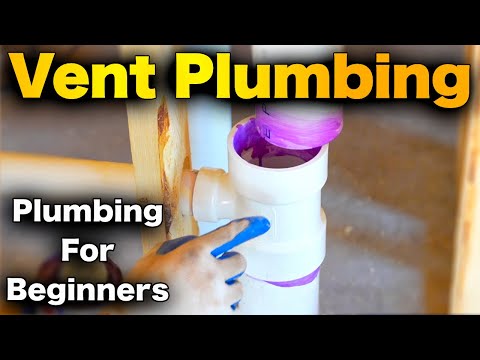
One of the most overlooked elements of any bathroom plumbing system is the vent pipe. Vent pipes extend from your drainage system up through the roof and allow air to enter the plumbing, which maintains proper atmospheric pressure. Without vents, wastewater would struggle to flow because it would create a vacuum effect inside the pipes. Vents also prevent sewer gases from entering your home by ensuring the traps in each fixture remain filled with water.
How Water Supply and Drainage Work Together
The interplay between supply and drainage in a bathroom plumbing system is a carefully engineered process. When you turn on the shower, pressurized cold and hot water travel through the supply lines and merge at the mixing valve inside the shower faucet. The water exits through the showerhead, and once it goes down the drain, gravity pulls it through the 2-inch drain pipe. The vent pipe simultaneously introduces air into the system, preventing a pressure drop that would slow drainage and cause gurgling sounds in nearby fixtures.
Toilet plumbing follows a slightly different path. The flush mechanism sends water and waste through a 3-inch or 4-inch drain into the main sewer line, and the siphon effect created by the trap design ensures that water remains in the bowl after each flush, blocking sewer odors.
Common Bathroom Plumbing Problems and Proven Solutions
Even well-installed bathroom plumbing systems develop issues over time. Recognizing early warning signs can prevent minor problems from escalating into major, expensive repairs. Here are the most common bathroom plumbing issues homeowners face:
- Clogged Drains: Hair, soap scum, toothpaste residue, and mineral buildup are the leading causes of slow or blocked drains in bathroom sinks and shower stalls. Using a drain snake or a plunger can resolve most minor clogs, but recurring blockages may indicate a deeper problem in the main drain line or vent pipe.
- Leaking Faucets and Fixtures: A dripping faucet wastes thousands of gallons of water per year. Worn-out washers, corroded valve seats, or failing cartridge valves are the usual culprits. Replacing these internal components is typically a straightforward repair for anyone comfortable with basic tools.
- Running Toilets: A toilet that continues to run after flushing wastes significant water and inflates utility bills. The flapper valve, fill valve, or overflow tube inside the tank is often the source of the problem. Adjusting or replacing these parts usually resolves the issue quickly.
- Low Water Pressure: Reduced water pressure in the shower or faucet can result from mineral buildup in the aerator or showerhead, a partially closed shut-off valve, or more serious issues like corroded supply pipes or leaks hidden inside walls.
- Gurgling Sounds from Drains: These noises typically indicate a partial vent blockage or a drainage line that has lost its proper pitch. Ignoring gurgling sounds can lead to sewer gas buildup and worsening drainage issues.
Choosing the Right Plumbing Materials for Bathroom Renovations
When planning a bathroom renovation or repiping project, selecting the appropriate plumbing materials is one of the most important decisions you will make. Each material has unique properties that affect durability, cost, ease of installation, and long-term performance.
| Material | Best Use | Durability | Cost Range | Key Advantages |
| Copper | Supply lines | 50+ years | $$ | Corrosion-resistant, long-lasting, recyclable |
| PEX | Supply lines (hot and cold) | 40-50 years | $ | Flexible, easy to install, freeze-resistant |
| CPVC | Hot water supply lines | 30-40 years | $ | Affordable, lightweight, handles high temperatures |
| PVC | Drain and vent lines | 40+ years | $ | Lightweight, chemical-resistant, easy to cut |
| ABS | Drain and vent lines | 40+ years | $ | Strong, durable, good for underground use |
| Brass | Fittings and valves | 50+ years | $$ | Extremely durable, low lead content options available |
Pro Tip: PEX tubing has become the go-to choice for modern bathroom supply line installations. It is flexible enough to navigate around corners without additional fittings, resists scale buildup better than copper, and costs significantly less. However, always check your local building codes before choosing materials, as some jurisdictions still require copper for certain applications.
Bathroom Plumbing Maintenance Tips for Long-Term Performance
Preventive maintenance is the single most effective way to extend the lifespan of your bathroom plumbing system and avoid unexpected failures. Here is a practical maintenance routine every homeowner should follow:
- Inspect supply shut-off valves every six months and turn them on and off to prevent them from seizing up. A stuck shut-off valve during an emergency can turn a minor leak into a flood.
- Clean faucet aerators and showerheads monthly to remove mineral deposits that restrict water flow. Soak them in white vinegar for 30 minutes to dissolve buildup effectively.
- Check toilet flappers and internal components annually. Drop a few drops of food coloring into the toilet tank. If color appears in the bowl without flushing, you have a leak that needs attention.
- Never pour grease, oil, or non-biodegradable products down bathroom drains. Even bathroom sinks can accumulate grease from hand-washing dishes or cosmetic products that solidify inside pipes.
- Schedule a professional plumbing inspection every two years to identify hidden issues like slow leaks, corroded pipes, or deteriorating seals before they become expensive problems.
- Insulate exposed pipes in unheated spaces during winter months to prevent freezing and bursting, which can cause catastrophic water damage.
Advanced Bathroom Plumbing Considerations
If you are planning a full bathroom remodel or designing a new bathroom from scratch, several advanced plumbing considerations can elevate your system’s performance, efficiency, and longevity.
Water-Efficient Fixtures and Low-Flow Technology: Modern bathroom plumbing designs increasingly incorporate low-flow toilets, aerated faucets, and high-efficiency showerheads that reduce water consumption by 30-50% without sacrificing performance. Many of these fixtures carry WaterSense certification from the EPA, meaning they meet strict efficiency and performance standards.
Pressure-Balancing and Thermostatic Valves: Upgrading to a thermostatic mixing valve in your shower or bathtub prevents sudden temperature spikes caused by fluctuations in water pressure elsewhere in the home. These valves are especially important in households with young children or elderly residents.

Recirculating Hot Water Systems: If you have experienced long waits for hot water at your bathroom fixtures, a recirculating system or a point-of-use water heater can provide instant hot water while reducing wasted cold water running down the drain. These systems are particularly effective in larger homes where the bathroom is far from the water heater.
Smart Leak Detection Technology: Smart water sensors placed under sinks, near toilets, and around water heaters can detect leaks in real time and send alerts to your phone. Some systems can automatically shut off the water supply to prevent damage before it becomes a disaster.

Final Thoughts on Mastering Your Bathroom Plumbing System
Your bathroom plumbing system is a marvel of engineering that operates silently and reliably every single day. By understanding its core components, choosing the right materials, staying on top of maintenance, and knowing when to call a professional plumber, you can ensure your bathroom plumbing serves your household reliably for decades. The investment of time and knowledge you put into understanding your system today will pay dividends in lower water bills, fewer emergency repairs, and greater peace of mind. Do not wait for a leak or a clog to teach you the importance of a well-maintained bathroom plumbing system. Start today with the tips and insights in this guide, and your future self will thank you.
Frequently Asked Questions About Bathroom Plumbing Systems
How often should I replace the plumbing pipes in my bathroom?
Copper supply lines can last 50 years or more, while PEX tubing typically lasts 40 to 50 years. PVC and ABS drain pipes can endure 40 years or longer under normal conditions. However, if you notice frequent leaks, discolored water, or visible corrosion, it may be time to consider a partial or full repipe regardless of the pipes’ age.
What is the average cost to re-pipe a bathroom?
Bathroom repiping costs typically range from $1,500 to $5,000 depending on the number of fixtures, pipe material, accessibility of existing lines, and local labor rates. PEX repiping tends to be on the lower end of that range, while copper installations can cost significantly more due to material and labor requirements.
Can I use PEX pipe for both hot and cold water supply lines in my bathroom?
Yes, PEX tubing is rated for both hot and cold water applications and is one of the most versatile materials available for bathroom supply lines. PEX resists corrosion and scale buildup better than metal pipes and is highly flexible, making it ideal for tight spaces behind bathroom walls.
Why does my bathroom drain smell like sewer gas?
Sewer gas odors in a bathroom usually indicate a dry drain trap, a cracked vent pipe, or a blocked vent. Running water in infrequently used drains can refill the trap and eliminate the smell. If the odor persists, you likely have a venting issue that requires professional inspection.
What is the difference between a plumbing vent and a drain pipe?
A drain pipe carries wastewater away from fixtures using gravity, while a vent pipe introduces air into the drainage system to maintain proper pressure and prevent siphoning of water from traps. Both are essential components of a functioning bathroom plumbing system, and neither can replace the other.