When summer temperatures climb and your home air conditioning system starts blowing warm air, the frustration is immediate. But here’s the truth most homeowners learn the hard way: the majority of AC failures are entirely preventable. Home air conditioning maintenance isn’t just a nice-to-have chore—it’s the single most effective investment you can make in your comfort, your energy bills, and the lifespan of your entire cooling system. Whether you own a central split system, a ductless mini-split, or a window unit, understanding how to care for your equipment pays dividends year after year.
This guide walks you through everything from basic monthly habits to professional-level servicing routines. It covers practical steps you can take yourself, warning signs that demand immediate attention, and the kind of preventative care that keeps your air conditioner running efficiently for fifteen years or more. If you’ve ever wondered what “regular AC maintenance” actually means or how much it costs to skip it, you’re in the right place.
Why Home Air Conditioning Maintenance Matters More Than You Think
Your air conditioning system is a complex assembly of mechanical and electrical components working in tandem to remove heat and moisture from your indoor environment. When any single part falls out of alignment—whether it’s a clogged air filter, low refrigerant charge, or dirty evaporator coil—the entire system suffers. Energy consumption spikes, cooling capacity drops, and the compressor works harder than it was designed to.
According to industry data, a well-maintained air conditioner operates at roughly 95% of its rated efficiency. Neglect maintenance, and that number can plummet to 60% or lower within a single cooling season. The result? Higher electricity bills, uneven temperatures across rooms, and a system that dies years before its expected lifespan.

Beyond performance, there’s a health dimension too. Poorly maintained HVAC systems become breeding grounds for mold, bacteria, and allergens. Dirty condensate pans and clogged drainage lines trap moisture, creating ideal conditions for microbial growth that circulates through your living spaces every time the blower activates.
The Financial Cost of Neglect
Consider this comparison when weighing whether AC maintenance is worth the effort:
| Scenario | Annual Cost | System Lifespan | Risk of Breakdown |
| Regular Maintenance | $150–$300/year | 15–20 years | Low |
| No Maintenance | $400–$700/year (higher energy bills + emergency repairs) | 7–12 years | High |
| Mild Neglect (Filters Only) | $250–$450/year | 12–16 years | Moderate |
The numbers tell a clear story. Routine home air conditioning maintenance saves you money on multiple fronts—reduced energy consumption, fewer emergency service calls, and deferred capital expense from premature system replacement.
Essential DIY Maintenance Tasks You Can Do Every Month
You don’t need to be a licensed HVAC technician to handle the most important maintenance tasks. In fact, roughly 40% of home air conditioning upkeep consists of simple actions any homeowner can perform with basic tools and about fifteen minutes of their time each month.
Filter Cleaning and Replacement
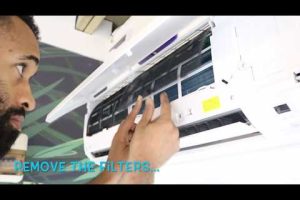
The air filter is the first line of defense for your entire system. It traps dust, pollen, pet dander, and airborne debris before they reach the evaporator coil and blower motor. When that filter becomes saturated, airflow restricts dramatically—noticeable as weak vents, longer cooling cycles, and rooms that never quite reach the thermostat setpoint.
Follow these steps for proper filter management:
- Locate your filter housing, typically found along the return air duct or inside the furnace cabinet.
- Remove the old filter and note its size and MERV rating (most residential systems use MERV 8 to MERV 13).
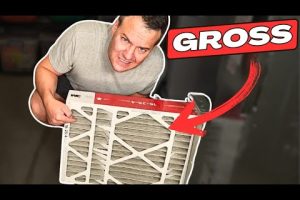
- Hold the filter up to a light source. If light cannot pass through, replace it immediately.
- Install the new filter with the airflow arrow pointing toward the blower, never away from it.
- For disposable filters, replace every 30 to 90 days depending on household conditions like pet ownership and allergy sensitivity.
- For washable filters, rinse with a garden hose, let dry completely, and reinstall.
Pro tip: Set a recurring calendar reminder. Most homeowners forget about their filters until the system starts malfunctioning, and by then, compressor wear has already begun.
Clearing the Condensate Drain Line
Your air conditioner removes humidity from the air, producing liquid water that exits through a condensate drain line. Over time, algae, mold, and mineral deposits clog this line, causing water to back up into the drain pan. A full pan triggers the safety float switch, shutting your system down entirely—or worse, overflows and damages drywall and flooring.
To clear a clogged drain, pour a cup of distilled white vinegar into the access port near the indoor unit. Let it sit for thirty minutes, then flush with warm water. Repeat monthly during heavy cooling use to prevent buildup. Some homeowners use compressed air or a wet/dry vacuum on the drain exit point for stubborn blockages.
Seasonal Maintenance Schedule for Peak Performance
A smart home air conditioning maintenance routine follows a seasonal rhythm, with different tasks assigned to different times of the year. Spreading your efforts prevents the overwhelm of a single marathon session and catches small problems before they escalate.

- Early Spring (Before Peak Cooling Season): Clean the outdoor condensing unit’s fins and surrounding area, remove debris, check refrigerant line insulation, and test the system’s startup sequence.
- Mid-Summer (Peak Usage): Replace or clean filters, inspect the condensate drain, verify thermostat accuracy, and listen for unusual noises during operation.
- Early Fall (Cooling Season Ends): Power down the outdoor unit, cover it if needed for leaf protection, clean indoor coils, and schedule any necessary professional repairs before winter.
- Winter (Off-Season): Inspect ductwork for visible leaks, test the programmable thermostat battery, and review your maintenance log to plan next year’s schedule.
This four-phase approach ensures nothing gets overlooked and keeps your system prepared for whichever season demands the most from it.

Professional AC Maintenance: What to Expect and When to Call
While DIY tasks cover the surface-level care, professional maintenance addresses what hides inside your system. A licensed HVAC technician performs a comprehensive inspection that includes refrigerant charge verification, electrical connection tightening, blower motor amp draw testing, coil cleaning, and safety control sequence validation.
Most manufacturers require annual professional servicing to keep warranty coverage active. Skipping this requirement can void your warranty entirely, leaving you responsible for costly repairs that would otherwise be covered.
What Happens During a Professional Tune-Up
A standard professional home air conditioning maintenance visit typically includes the following checklist:
- Measuring temperature differential between supply and return air (should be 15–20°F)
- Checking refrigerant pressure and topping off if needed
- Inspecting the contactor, capacitor, and relay for wear
- Cleaning the evaporator and condenser coils with specialized foaming cleaner
- Lubricating blower bearings and checking belt tension
- Verifying proper voltage at the contactor and disconnect box
- Testing the condensate drain flow rate and float switch operation
- Calibrating the thermostat and checking short-cycle patterns
Expect to pay between $100 and $250 for a standard AC tune-up in most U.S. markets. Some HVAC companies bundle this service into annual maintenance plans that include priority scheduling and repair discounts.
The DIY vs. Professional Comparison at a Glance
| Task | DIY Feasibility | Frequency | Professional Recommended? |
| Filter replacement | Easy | Every 1–3 months | Optional |
| Condensate drain clearing | Moderate | Monthly (cooling season) | Optional |
| Outdoor unit cleaning | Moderate | Seasonally | Recommended annually |
| Refrigerant charge check | Not feasible | Annually | Required |
| Electrical component inspection | Not feasible | Annually | Required |
| Blower motor and bearing service | Not advised | Annually or biannually | Required |
Common Air Conditioning Problems Prevented by Regular Maintenance
Most homeowners contact an AC repair technician only after symptoms become undeniable—warm air from vents, ice on the refrigerant lines, or strange clicking sounds from the outdoor unit. The frustrating reality is that each of these problems was building silently for weeks or months, and consistent maintenance would have caught them early.
Here are the most common issues directly linked to poor home air conditioning maintenance:
- Frozen evaporator coil: Caused by restricted airflow from dirty filters or clogged return vents. Ice reduces heat exchange efficiency and, if left unchecked, damages the compressor.
- Refrigerant leaks: Low refrigerant forces the compressor to overwork, increasing energy consumption and eventually causing total system failure.
- Capacitor burnout: Dirty coils and failing bearings draw higher electrical current, overheating capacitors and causing sudden system shutdowns.
- Costly compressor replacement: The compressor is the heart of your AC. Prevention through proper maintenance is exponentially cheaper than replacement, which can run $1,500–$3,000.
- Poor indoor air quality: Mold and bacteria accumulation in dirty coils and drain pans circulates throughout the home, aggravating allergies and respiratory conditions.
Understanding these failure points transforms maintenance from an abstract chore into a concrete, urgent priority.
Frequently Asked Questions About Home Air Conditioning Maintenance
How often should I have my home AC professionally serviced?
Most manufacturers and HVAC professionals recommend annual professional maintenance, ideally scheduled in the spring before the cooling season begins. In regions with year-round warm climates or heavy use, some technicians suggest biannual servicing—once for cooling and once for the heating system if you have a dual-purpose heat pump.
What happens if I never clean my AC condenser coils?
Dirty condenser coils reduce the system’s ability to reject heat, causing the unit to run longer cycles, consume significantly more electricity, and eventually overheat the compressor. Coil cleaning is one of the most neglected yet impactful maintenance tasks for residential HVAC systems.
Can I clean my AC coils myself, or should I always call a professional?
You can gently clean accessible condenser fins with a garden hose and fin comb tool, but deep coil cleaning—especially evaporator coils hidden inside the air handler—requires professional-grade foaming cleaners and access to internal components. Attempting improper cleaning can bend fins, damage coils, or void warranties.
Why is my AC blowing warm air even after changing the filter?
A clogged filter is only one possible cause. Warm airflow often indicates low refrigerant, a dirty condenser coil, a failing compressor, or a tripped breaker on the outdoor unit. If filter replacement doesn’t resolve the issue within a few hours, schedule a professional diagnostic visit to identify the root cause before further damage occurs.
Is it worth investing in a home AC maintenance plan or warranty?
For most homeowners, yes. Annual maintenance plans typically cost $150–$300 per year and include precision tune-ups, priority scheduling, and significant repair discounts. These programs often pay for themselves within a single avoided emergency repair visit and extend your system’s operational life considerably.
How do I know if my AC needs refrigerant?
Signs include reduced cooling capacity, ice forming on the suction line, hissing sounds near the indoor unit, and noticeably longer cooling cycles. However, refrigerant doesn’t “get used up”—a low charge almost always indicates a leak that must be repaired by a licensed professional. Never add refrigerant without first locating and fixing the leak source.
Final Thoughts: Make Home Air Conditioning Maintenance a Non-Negotiable Habit
The most reliable air conditioning systems in the world still require consistent care to deliver the comfort, efficiency, and longevity you expect from them. Home air conditioning maintenance isn’t about being handy or technically skilled—it’s about developing a routine. Clean the filters. Clear the drain. Schedule the professional tune-up. Monitor your energy bills for unexpected spikes.
Every action in this checklist compounds over time. A system that receives regular care runs quieter, cools more evenly, costs less to operate, and avoids the catastrophic failures that turn a summer afternoon into an emergency. Treat your air conditioner not as an appliance you forget about until it breaks, but as a long-term investment in your home’s comfort, air quality, and value. The effort you put into maintenance today saves you time, money, and stress for years to come.