


When summer temperatures soar and humidity levels climb, an AC air conditioner becomes the most critical appliance in your home or office. Whether you are shopping for a new cooling system, troubleshooting a noisy unit, or simply trying to understand how your existing system works, this comprehensive guide covers everything you need to know about air conditioning units. From the different types of AC air conditioners available on the market to advanced maintenance strategies that extend equipment lifespan, you will find practical, expert-level insights that go far beyond surface-level explanations. Let us dive deep into the world of residential and commercial cooling technology.
Understanding AC Air Conditioners: How They Work and Why They Matter
At its core, an AC air conditioner does not create cool air — it removes heat and moisture from indoor air and recirculates the conditioned air back into your living space. This thermodynamic cycle involves four key components: the compressor, condenser coil, expansion valve, and evaporator coil. Refrigerant flows through these components, changing states between gas and liquid to absorb and release heat energy. Understanding this basic mechanism helps you make smarter purchasing decisions and communicate more effectively with HVAC professionals.
Modern air conditioning systems have evolved dramatically. Today’s units feature variable-speed compressors, smart thermostats, and eco-friendly refrigerants that were not available even five years ago. If you are a homeowner considering a new installation or a facility manager overseeing a large commercial building, understanding the fundamentals of how these systems operate gives you a significant advantage in negotiations, maintenance planning, and energy management.
The Refrigeration Cycle Explained
The refrigeration cycle is the heartbeat of every AC air conditioner. Here is a simplified breakdown of the process:
- Compression: The compressor pressurizes the refrigerant gas, raising its temperature.
- Condensation: The hot gas flows to the outdoor unit, where it releases heat and condenses into a liquid.
- Expansion: The liquid refrigerant passes through an expansion valve, dropping in pressure and temperature.
- Evaporation: The cold refrigerant absorbs heat from indoor air as it flows through the evaporator coil, cooling the air before it circulates back into your rooms.
Each cycle repeats continuously until your thermostat reaches the target temperature. This is why air conditioner efficiency depends heavily on proper sizing, refrigerant charge, and clean components.
Types of AC Air Conditioners: Finding the Right Fit
Not all cooling solutions are created equal. The right AC air conditioner for your home depends on factors like square footage, insulation quality, regional climate, and budget. Below are the most common types available today.
| Type | Best For | Average Lifespan | Energy Efficiency |
| Central Air Conditioning | Whole-home cooling, larger homes | 15–20 years | High (14–22 SEER) |
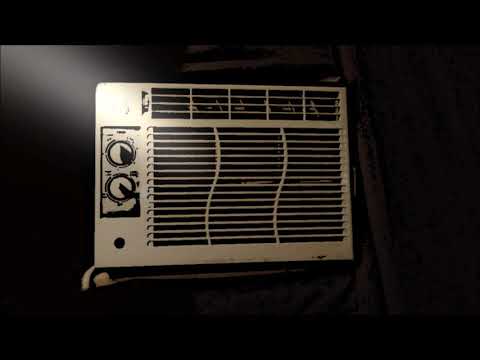
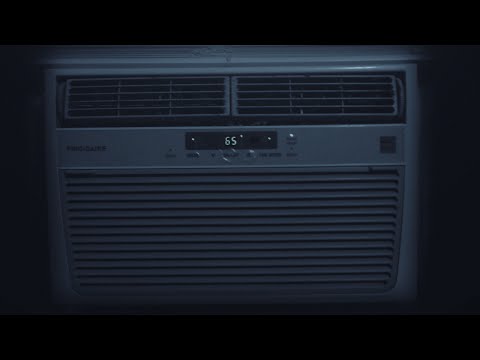
| Window Units | Single rooms, apartments | 10–15 years | Moderate (10–15 EER) |
| Ductless Mini-Split | Room-specific cooling, no ductwork | 12–20 years | Very High (20–30 SEER) |
| Portable AC | Temporary or rental spaces | 5–10 years | Low to Moderate |
| Hybrid Heat Pump | Year-round climate control | 15–20 years | Exceptional (20–35 SEER) |
Central AC systems remain the most popular choice for homeowners in hot climates because they distribute cool air evenly through ductwork. However, ductless mini-split systems have surged in popularity due to their exceptional energy efficiency and zone-based cooling capability. If you live in an older home without existing ductwork, a ductless system may be the most cost-effective air conditioner installation option.
Window vs. Portable vs. Split: Quick Comparison

- Window Units: Affordable upfront cost, easy self-installation, but limited to one room and can block natural light.
- Portable ACs: No permanent installation required, but they are louder and less efficient than other options.
- Split Systems: Quiet operation, superior energy performance, and the ability to cool multiple zones independently.
Key Features to Consider When Buying an AC Air Conditioner
Buying the right AC air conditioner involves more than just comparing price tags. Here are the critical features that separate a mediocre unit from a high-performance system:
- SEER Rating: The Seasonal Energy Efficiency Ratio measures how efficiently your unit cools over an entire season. Higher SEER ratings mean lower electricity bills. Look for units rated 16 SEER or above for optimal savings.
- Inverter Technology: Unlike traditional compressors that cycle on and off at full power, inverter-driven compressors adjust their speed continuously. This results in more stable temperatures and significant energy savings.
- Noise Level: Check the decibel rating. Modern quiet AC units operate below 50 dB, which is barely noticeable during sleep or work.
- Smart Connectivity: Wi-Fi-enabled units allow you to control cooling remotely through smartphone apps, integrate with voice assistants, and access usage analytics.
- Air Filtration: Advanced filtration systems remove allergens, dust, and airborne pollutants, which is especially important for households with allergy sufferers or asthma.
- Dehumidification Mode: In humid climates, dedicated dehumidification can make a room feel cooler without overcooling it, saving energy and improving comfort.
AC Air Conditioner Maintenance Tips for Peak Performance
Even the most expensive air conditioning unit will underperform without regular maintenance. Preventive care is the single most effective way to extend your system’s lifespan and avoid costly repairs. Here is what every homeowner should do:
- Clean or replace filters every 30–90 days: Clogged filters restrict airflow, forcing your compressor to work harder and consume more electricity. Dirty filters are the leading cause of reduced cooling performance.
- Clear debris around the outdoor condenser unit: Leaves, dirt, and vegetation obstruct airflow and reduce heat dissipation. Maintain at least 24 inches of clearance on all sides.
- Check refrigerant levels annually: Low refrigerant indicates a leak, which not only reduces cooling capacity but also damages the compressor over time.
- Inspect condensate drain lines: Clogged drains cause water damage and mold growth. Flush them with a vinegar solution every spring.
- Schedule professional tune-ups twice yearly: A licensed HVAC technician can detect issues that are invisible to the untrained eye, including refrigerant leaks, electrical faults, and worn bearings.
Ignoring routine maintenance can reduce your AC air conditioner efficiency by up to 15 percent annually, translating to thousands of dollars in wasted energy costs over the system’s lifetime.
Seasonal Maintenance Checklist
| Season | Action |
| Spring | Clean condenser coils, check refrigerant, flush drain lines, replace filters |
| Summer | Monitor performance, clean filters mid-season, check thermostat calibration |
| Fall | Turn off system, clean outdoor unit, cover if in harsh climate |
| Winter | Inspect ductwork, schedule any needed repairs before next cooling season |
Energy Efficiency: How to Save Money with Your AC Air Conditioner
Cooling accounts for a significant portion of residential electricity consumption, often 50–70 percent of total energy use during peak summer months. Optimizing your air conditioner energy consumption is not just environmentally responsible — it is financially smart.
Programmable and smart thermostats are the easiest way to reduce cooling costs. Set your thermostat to 78°F when you are home and raise it by 7–10°F when you are asleep or away. This simple strategy can save up to 10 percent on annual cooling bills. Ceiling fans complement your AC air conditioner by creating a wind-chill effect that allows you to set the thermostat a few degrees higher without sacrificing comfort.
Additional energy-saving strategies include:
- Installing reflective window film or blackout curtains to reduce solar heat gain
- Sealing air leaks around windows, doors, and ductwork
- Using attic insulation rated at R-30 or higher to prevent heat transfer from the roof
- Cooking outdoors or using microwave appliances instead of the oven during peak heat hours
- Landscaping with shade trees or installing exterior awnings to reduce direct sun exposure on the home
When replacing an aging unit, always compare the energy efficiency ratio and look for ENERGY STAR certification. A modern 20+ SEER unit can cut cooling costs by 30–50 percent compared to a 10-year-old system rated at 10 SEER.
Common AC Air Conditioner Problems and How to Fix Them
Even well-maintained air conditioning systems encounter problems from time to time. Knowing how to identify and address common issues saves money and prevents minor problems from escalating into major breakdowns.
- The AC blows warm air: This is often caused by a clogged air filter, low refrigerant, or a malfunctioning compressor. Check the filter first, then call a technician if the problem persists.
- Ice buildup on the evaporator coil: Restricted airflow or low refrigerant levels cause the coil to freeze. Turn the unit off, let it thaw completely, and inspect the filter and return vents.
- Water leaking inside the home: A clogged condensate drain or a cracked drain pan is the usual culprit. Clear the drain line with a wet/dry vacuum or a solution of vinegar and water.
- Strange noises (grinding, rattling, buzzing): These sounds typically indicate loose components, worn bearings, or debris in the outdoor unit. Turn the system off immediately to prevent further damage.
- Uneven cooling between rooms: This suggests ductwork issues, blocked vents, or an improperly sized system. A professional HVAC audit can identify the root cause.
Frequently Asked Questions (FAQs)
What size AC air conditioner do I need for my bedroom?
To determine the right AC air conditioner size for your bedroom, measure the square footage and multiply by 20 BTUs per square foot. A 12×12 room (144 sq ft) typically requires a 5,000–6,000 BTU unit. However, factors like ceiling height, sun exposure, and the number of occupants may increase this requirement. Always refer to the manufacturer’s sizing guide for precise recommendations.
How often should I service my AC air conditioner?
Professional HVAC technicians recommend servicing your air conditioning unit at least twice per year — once before the cooling season in spring and once in early fall for heat pump systems. Regular service includes cleaning coils, checking refrigerant, inspecting electrical connections, and calibrating the thermostat.
Can I install an AC air conditioner myself?
While window units and some portable air conditioners are designed for DIY installation, central AC and ductless mini-split systems require professional installation. Improper installation can void warranties, reduce efficiency, and create safety hazards involving refrigerant handling and electrical connections.
What is the average lifespan of an AC air conditioner?
A well-maintained AC air conditioner typically lasts between 12 and 20 years, depending on the type and usage patterns. Central systems generally last 15–20 years, while window units average 10–15 years. Ductless mini-splits, with proper care, can operate efficiently for 20 years or more.
Why does my AC air conditioner freeze up?
The most common reasons for a freezing AC air conditioner are restricted airflow from dirty filters or blocked vents, low refrigerant levels due to leaks, or a malfunctioning blower fan. When warm air cannot flow freely over the evaporator coil, the temperature drops below freezing and moisture in the air accumulates as ice.
Final Thoughts: Investing in the Right AC Air Conditioner
Selecting and maintaining the right AC air conditioner is one of the most impactful decisions you can make for home comfort and long-term energy savings. By understanding how cooling systems work, choosing the right type and size, committing to regular maintenance, and adopting energy-efficient habits, you can enjoy reliable comfort for years to come. Whether you are upgrading an old window unit, installing a central air system, or exploring the benefits of a ductless mini-split, the information in this guide gives you the foundation to make confident, informed decisions. The best air conditioner is the one that fits your specific needs, operates efficiently, and is cared for properly throughout its lifespan.