Mastering the care of bonsai tree isn’t just about keeping a miniature tree alive — it’s about understanding a living art form that has been refined over centuries. Whether you’re a first-time bonsai enthusiast or an experienced grower looking to refine your technique, proper maintenance directly determines whether your tree thrives for decades or struggles in its early years. This comprehensive guide covers everything from daily watering routines to advanced seasonal care strategies that will help you cultivate a healthy, stunning bonsai.
Understanding Bonsai Care Fundamentals
What Bonsai Care Really Means

Caring for a bonsai tree means committing to a disciplined routine that mirrors the natural conditions the species would experience in the wild. Unlike houseplants that forgive occasional neglect, bonsai specimens in small containers depend entirely on you for water, nutrients, light, and root space. The word “bonsai” translates to “tray planting” in Japanese, and that single detail reveals a core truth — these trees are grown in confined spaces where every variable matters intensely.
The foundation of successful bonsai tree maintenance rests on five pillars: watering, light exposure, soil composition, fertilization, and pruning. Neglecting any one of these areas will show up quickly in leaf drop, root rot, or stunted growth. The good news is that once you internalize these basics, the routine becomes second nature.
Watering Your Bonsai Tree Correctly
How Often Should You Water a Bonsai?

Overwatering and underwatering are the two most common causes of bonsai death, and the solution isn’t a fixed schedule. Instead, effective watering depends on soil moisture levels, species type, pot size, ambient humidity, and seasonal temperature changes. The best practice is to check the soil daily by inserting a finger about one inch deep. If it feels slightly dry at that depth, it’s time to water thoroughly.
When you water, do so until excess moisture drains freely from the drainage holes. This ensures the entire root mass receives hydration. Never let a bonsai sit in standing water, as this creates conditions for root rot and fungal infections that can kill the tree within weeks.
- Check soil moisture every morning during the growing season
- Water until drainage is consistent — a single light splash isn’t enough
- Use room-temperature water to avoid shocking the roots
- Reduce watering frequency in winter when growth slows
- Adjust for humidity — dry indoor air demands more frequent checks
Light and Placement Requirements
Placement is one of the most overlooked aspects of bonsai tree care, yet it dramatically affects growth patterns and overall health. Indoor bonsai species such as Ficus, Jade, and Chinese Elm need bright, indirect light for at least six hours daily. South-facing windows work well in most homes, but supplement with a full-spectrum grow light if natural light is insufficient, especially during winter months.
Outdoor bonsai like Juniper, Pine, and Maple require direct sunlight and fresh air circulation. These trees need seasonal temperature shifts to enter proper dormancy cycles. Placing an outdoor species permanently indoors will weaken it over time and eventually lead to decline. The key is matching your tree’s species to its ideal environment and making adjustments as seasons change.
Soil and Repotting Essentials
Best Soil Mix for Bonsai Trees
Bonsai soil must provide three things simultaneously: excellent drainage, adequate moisture retention, and proper aeration for root development. Standard potting soil is completely unsuitable because it compacts over time, suffocating roots and retaining too much water. The ideal bonsai growing medium combines inorganic components like akadama, pumice, and lava rock in ratios tailored to your specific species and climate.
| Soil Component | Purpose | Best For |
| Akadama | Drains excess water while retaining moisture | Most deciduous and conifer species |
| Pumice | Promotes root aeration and structure | Drainage-heavy mixes for tropical bonsai |
| Lava Rock | Improves drainage and prevents compaction | Juniper, Pine, and other conifers |
| Organic Potting Soil | Provides nutrients and some water retention | Mildly mixed with inorganic components only |
Repotting should occur every two to five years depending on the tree’s age and growth rate. Younger trees need more frequent repotting as their root systems develop rapidly. The best time to repot is in early spring before new growth begins, when the tree is entering its active growing phase and can recover quickly from root disturbance.
Fertilizing Your Bonsai for Healthy Growth
Because bonsai trees live in such small volumes of soil, nutrients deplete rapidly. A consistent fertilization schedule is essential for sustained health and vigorous growth. Balanced liquid fertilizers with an NPK ratio around 10-10-10 work well for most species during the growing season. For flowering and fruiting bonsai, switching to a lower-nitrogen, higher-phosphorus formula during bloom season encourages better flower production.
- Feed every two weeks during spring and summer with diluted liquid fertilizer
- Reduce feeding to once monthly in autumn as growth slows
- Stop fertilizing entirely during winter dormancy for outdoor species
- Use slow-release pellets for convenience and steady nutrient delivery
- Never fertilize a dry tree — always water before applying fertilizer to prevent root burn
Pruning and Shaping Techniques
Structural Pruning vs Maintenance Pruning

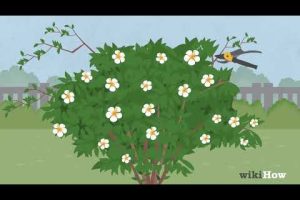
Pruning serves two distinct purposes in bonsai cultivation. Maintenance pruning removes new shoots and leaves that grow outside the desired silhouette, keeping the tree compact and aesthetically balanced. Structural pruning involves more significant cuts to branches and roots that shape the tree’s long-term form and improve its fundamental design.
Use sharp, sterile bonsai shears and concave cutters for clean wounds that heal quickly. Always research your specific species before making major cuts, as some trees like Pine and Juniper respond poorly to hard pruning on bare wood and require foliage-rich branches to regenerate.
Common Bonsai Care Mistakes to Avoid
- Overwatering — the number one killer of indoor bonsai trees
- Using the wrong soil — regular potting mix suffocates roots
- Ignoring seasonal needs — outdoor trees require winter dormancy
- Repotting at the wrong time — late-season repotting stresses the tree
- Fertilizing too heavily — excess nutrients burn delicate root systems
- Neglecting pest inspection — spider mites, scale, and aphids target stressed bonsai
Seasonal Bonsai Care Guide
Your care routine should shift with the seasons to support the tree’s natural biological rhythms. In spring, increase watering frequency as temperatures rise and new growth appears. Summer demands consistent watering and full sunlight exposure for outdoor specimens. Autumn is the time to reduce feeding and prepare outdoor trees for dormancy. Winter requires protecting frost-sensitive species and reducing watering for all trees during their resting period.
Indoor vs Outdoor Bonsai Care Comparison
| Factor | Indoor Bonsai | Outdoor Bonsai |
| Light Needs | Bright indirect light; grow light supplement | Direct sunlight for 6+ hours daily |
| Watering Frequency | Higher — dry indoor air increases evaporation | Weather-dependent; more in summer heat |
| Temperature Range | 60°F–75°F consistently | Wide seasonal variation; needs dormancy |
| Humidity | Low — mist regularly or use humidity trays | Naturally managed by outdoor conditions |
| Common Species | Ficus, Jade, Chinese Elm, Carmona | Juniper, Pine, Maple, Birch |
| Winter Care | Stable indoor temperatures year-round | Must experience cold dormancy period |
Conclusion
Learning how to care for a bonsai tree is a rewarding journey that rewards patience, observation, and consistency. The most successful bonsai growers are those who pay close attention to their tree’s signals — slight leaf discoloration, slowed growth, or soil moisture levels — and respond with timely adjustments. Start with beginner-friendly species like Ficus or Chinese Elm if you’re new to the art, and gradually expand your collection as your confidence and knowledge grow. With proper bonsai tree maintenance, your miniature tree will not only survive but flourish, becoming a living centerpiece that brings tranquility and beauty to your space for generations.
Frequently Asked Questions
How do I know if my bonsai tree is getting too much water? Signs of overwatering include yellowing leaves, mushy branches, a foul smell from the soil, and visible root discoloration. If you notice these symptoms, stop watering immediately and check for root rot by gently unpotting the tree and inspecting the root system. Healthy roots should appear white or light tan; brown, mushy roots indicate rot that requires trimming and repotting in fresh, well-draining soil.
What is the best beginner bonsai species for indoor care? Ficus retusa, Chinese Elm, and Jade plants are among the most forgiving species for beginners. They tolerate lower light conditions, handle irregular watering better than most species, and respond well to pruning — making them ideal for learning the fundamentals of indoor bonsai maintenance.
Can I keep a bonsai tree outside during winter? It depends entirely on the species. Temperate and cold-hardy species like Juniper, Maple, and Pine require winter dormancy and can be kept outdoors year-round in appropriate climates. Tropical and subtropical species, however, must be brought indoors when temperatures drop below 50°F, as frost damage can be fatal.
How often should I repot my bonsai tree? Younger, faster-growing bonsai typically need repotting every two to three years, while mature, slower-growing trees can go five years or longer between repottings. The right time is early spring, before new buds break, which allows the tree to recover quickly and benefit from the growing season ahead.
Why are the leaves on my bonsai turning brown and crispy? Brown, crispy leaves usually indicate low humidity, underwatering, or excessive direct sunlight. Indoor bonsai especially suffer in dry heated rooms during winter. Increasing humidity with a pebble tray, misting the foliage regularly, and ensuring consistent watering can resolve this issue within a few weeks.