


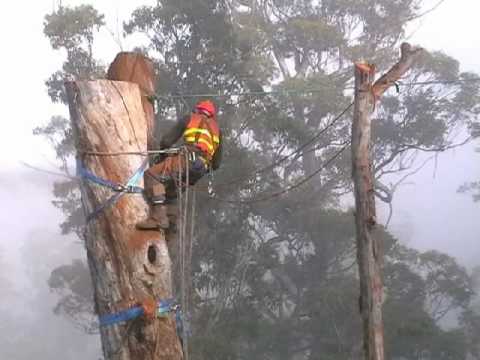
When a towering oak starts leaning dangerously over your driveway or a storm-damaged elm threatens to crash onto your roof, the question is never really “should I remove this tree?” — it’s “who do I trust to do it safely?” That’s where the expertise of a professional arborist and a reputable tree removal service becomes not just helpful, but absolutely essential. Tree removal is far more than swinging a chainsaw and watching something fall. It involves precise risk assessment, advanced rigging techniques, proper equipment, and a deep understanding of tree biology. Whether you’re dealing with a diseased hardwood, a storm-broken specimen, or a tree that’s simply outgrown its space, understanding the full scope of what arborists do — and what tree removal actually entails — will help you make smarter, safer decisions for your property and your family.
What Does an Arborist Do and Why Tree Removal Matters
An arborist is a trained, often certified professional who specializes in the care, maintenance, and management of individual trees, shrubs, vines, and other perennial woody plants. Unlike general landscapers who focus on lawns, flower beds, and hedges, arborists understand the complex biology of trees — how they grow, how they respond to disease, how wind and gravity interact with their structure, and when a tree has crossed the line from “needing attention” to “necoming removal.”
Certified arborists typically hold credentials from organizations like the International Society of Arboriculture (ISA). These certifications validate that the professional has passed rigorous examinations covering tree biology, pruning standards, pest management, cabling and bracing, and — critically — tree risk assessment. When a tree removal project is on the table, having an arborist evaluate the situation first is the single best thing you can do to avoid costly mistakes, property damage, or serious injury.
When to Call a Certified Arborist Instead of Attempting Removal Yourself
Many homeowners underestimate the complexity of tree removal until they’re already standing underneath a 60-foot leaning trunk with a chainsaw in hand. Here are clear situations where calling in a certified tree care professional is non-negotiable:
- The tree is within falling distance of structures, power lines, or roads
- The tree shows signs of internal decay, trunk cracks, or significant lean
- The tree has been damaged by lightning, high winds, or heavy ice loading
- The tree is located on a slope or in soft, saturated soil
- The removal requires a crane, bucket truck, or aerial lift equipment
- Local municipal codes or homeowners association rules require a permit or professional documentation
Attempting removal without the proper training, equipment, and insurance coverage is one of the leading causes of serious property damage and fatal workplace accidents in the tree care industry. A certified arborist doesn’t just cut a tree down — they engineer a removal plan that accounts for every variable.
Signs Your Tree Needs Professional Removal
Trees rarely fail without warning signs. The trick is knowing what to look for and understanding that some danger indicators are invisible to the untrained eye. Here are the most common signs that removal should be seriously considered:
- Significant trunk cracks or cavities — Large seams running up the trunk or deep hollows can indicate structural failure is imminent, especially during high-wind events.
- Dead or declining canopy — If more than 50% of the canopy shows dead branches, leafless sections during growing season, or sparse foliage year over year, the tree may be beyond saving.
- Root plate upheaval — Visible lifting of soil around the base, cracking pavement nearby, or exposed roots suggest the tree’s anchorage has been compromised.
- Pest infestation or disease progression — Advanced cases of emerald ash borer damage, oak wilt, Dutch elm disease, or fungal root rot can render a tree structurally unsound.
- Proximity to infrastructure — Roots invading sewer lines, branches interfering with electrical conductors, or the tree simply growing too close to a building foundation all warrant evaluation.
Hidden Dangers of Neglecting a Damaged or Diseased Tree
One of the most dangerous misconceptions homeowners hold is that a dying tree is harmless because it’s “already dying.” In reality, a structurally compromised tree becomes increasingly unpredictable. Decay fungi can weaken load-bearing wood internally while the outer shell still appears intact. Wind loads that a healthy tree handles effortlessly can bring down a decayed specimen without warning. The cost of delayed removal — a destroyed roof, a severed power line, a blocked roadway — almost always exceeds the cost of proactive removal by a professional tree service.
The Tree Removal Process Explained Step by Step
Understanding how professionals actually remove a tree demystifies the process and gives you confidence when evaluating quotes and proposals. A proper tree removal follows a methodical sequence:
- On-site assessment — The arborist walks the property, evaluates the tree’s health, lean, weight distribution, surrounding obstacles, and soil conditions. They identify the fall zone and any access challenges.
- Risk and hazard documentation — This step involves identifying potential failure points, power line proximity, and any legal or permitting requirements. Most reputable companies provide a written risk assessment.
- Removal plan development — Based on the assessment, the crew determines whether the tree will be felled in one piece, dismantled in sections, or requires crane-assisted removal. Each scenario has different equipment needs and labor requirements.
- Workspace preparation — Safety zones are established, nearby vehicles and structures are protected with padding, and all crew members are briefed on the plan and communication signals.
- Execution — The actual removal begins. For large trees, this often involves climbing the structure, removing major limbs in controlled sections, and then either rigging the trunk down in segments or carefully directing the final fell.
- Site cleanup and debris management — Branches are chipped or cut into firewood-length pieces, the trunk is processed or hauled away, and the stump is either ground below grade or extracted entirely.
Pre-Removal Assessment and Permitting Considerations
Before any cutting begins, a thorough assessment must happen — not just of the tree itself, but of the surrounding environment. Urban tree removal often involves navigating municipal tree preservation ordinances, heritage tree protections, and right-of-way regulations. In many cities, removing certain species or trees above a specific diameter requires a permit and sometimes a replacement planting plan. A qualified tree removal company will handle these permits on your behalf, but you should always verify that they have experience with your local jurisdiction’s specific requirements.
Advanced Execution Techniques
Not every tree comes down the simple way textbooks show. In tight urban spaces, arborists may use sectional dismantling — climbing the tree and lowering each section individually using ropes and rigging systems to avoid damaging nearby property. For exceptionally large or hazardous trees, crane-assisted removal is the gold standard. A crane operator works alongside the climbing arborist to carefully extract sections from the canopy, allowing the crew to control exactly where every piece lands. This technique is more expensive but dramatically reduces risk to surrounding structures and landscaping. Spike climbing (using gaffs driven into the trunk) is generally reserved for removal work only — using spikes on a tree you intend to preserve is considered unacceptable professional practice.
How to Choose the Right Tree Removal Service
Not all tree removal companies operate at the same level of professionalism or competence. When you’re comparing services, look beyond the price quote and evaluate these critical factors:

- ISA certification or credentials — Certified Arborists on staff signal a commitment to industry standards
- Liability insurance and workers’ compensation — If a crew member is injured on your property without coverage, you could be held financially responsible
- Local reputation and reviews — Check platforms like Google, BBB, and Yelp for consistent patterns of quality service
- Written contracts and detailed scope of work — A professional company will outline exactly what will be done, what equipment will be used, and what the cleanup process involves
- Equipment condition — Well-maintained chainsaws, chippers, rigging gear, and cranes indicate a company that invests in its craft

Be especially cautious of companies that arrive without proof of insurance, offer prices that seem dramatically lower than competitors, or cannot provide references for previous removal projects. Cheap tree removal often leads to hidden costs — damaged fences, incomplete stump removal, or insurance claims that fall entirely on the homeowner.
DIY vs Professional Tree Removal: Cost, Risk, and Outcome Comparison
| Factor | DIY Removal | Professional Arborist Service |
| Typical Cost | Equipment rental + liability risk (often more expensive when accidents occur) | $500–$5,000+ depending on tree size, location, and complexity |
| Safety Risk | Extremely high — falls, chainsaw injuries, electrocution from power lines | Low — trained crews follow OSHA and ANSI safety standards |
| Property Damage Risk | Very high — uncontrolled falls, equipment damage to landscaping | Minimal — controlled removal with rigging and safety zones |
| Cleanup and Debris | Homeowner responsible for full cleanup and disposal | Most companies include chipping, hauling, and site cleanup |
| Legal Liability | Homeowner assumes full liability for any damage or injury | Licensed and insured professionals carry their own liability coverage |
| Tree Knowledge | Limited — risk of improper cut leading to unpredictable fall | Deep understanding of tree mechanics, lean direction, and weight distribution |
| Long-term Property Impact | Potential for regrowth from improper stump removal, root damage | Complete stump grinding or extraction, proper site restoration |
After Tree Removal — What Happens Next
Removal is not the end of the process — it’s the beginning of the restoration phase. After the tree is down and the debris is cleared, homeowners typically face decisions about stump removal, soil restoration, and replanting options.
Stump grinding is the most common follow-up service. A commercial-grade stump grinder chews the remaining stump down 4 to 12 inches below grade, turning the wood into mulch that can be used to fill the hole or spread elsewhere in the yard. For complete removal, stump excavation involves physically digging out the root ball — more expensive but necessary if you plan to build on the site or install landscaping features.
Soil compaction from heavy equipment during removal can damage remaining healthy trees nearby. A good tree care company will use protective ground coverings like wood chips or plywood mats to distribute weight and minimize soil damage. Once the site is ready, many homeowners choose to replant with a new tree — though it’s wise to wait at least one growing season to allow the soil to recover and to select a species better suited to the space.
Cost Factors and Budgeting for Tree Removal
Tree removal cost varies widely based on several key variables:
- Tree size and height — Larger trees require more labor, more cuts, and more equipment. A small ornamental tree might cost $500–$1,000, while a mature oak or pine over 80 feet can exceed $3,000–$5,000.
- Location and accessibility — Trees near buildings, fences, or power lines cost more due to the precision required and the additional safety measures involved.
- Tree health and condition — Dead or severely decayed trees sometimes cost less to remove (less wood to process) but carry higher risk, which can increase the price.
- Stump grinding inclusion — Adding stump removal typically adds $100–$400 per stump depending on diameter.
- Emergency or after-hours removal — Storm damage or hazardous situations requiring immediate response often carry a premium rate.
Always get at least three detailed written quotes from licensed and insured tree removal companies before committing. A thorough quote should include the scope of work, equipment to be used, debris disposal, and any cleanup guarantees.
Final Thoughts on Arborist and Tree Removal Decisions
Tree removal is one of those home maintenance tasks where cutting corners can have devastating consequences. A certified arborist brings not just chainsaw skills but a scientific understanding of tree structure, risk mechanics, and safe work protocols that no DIY approach can replicate. Whether you’re facing an emergency situation after a storm or planning a proactive removal of a hazardous specimen on your property, investing in professional tree care is an investment in safety, property value, and peace of mind. The best tree removal services treat every job with the same precision they would apply to their own property — because their reputation depends on it, and so does your safety.
Frequently Asked Questions
How much does it typically cost to remove a large tree near a house?
Removing a large tree near structures typically costs between $1,500 and $5,000, depending on the species, height, condition, and proximity to buildings. Trees located close to homes or fences require sectional dismantling and additional rigging, which increases labor time and equipment needs. Always request a site-specific assessment from a licensed arborist before agreeing to any removal quote.
Can I remove a tree on my property without a permit?
Permit requirements vary significantly by municipality, county, and state. Many jurisdictions require permits for removing trees above a certain diameter, heritage or landmark species, or trees within specific setback distances from property lines. Some areas also have storm-damage exemptions. Contact your local planning department or a certified tree care professional to verify before any removal work begins.
How long does a professional tree removal project usually take?
A straightforward single-tree removal typically takes one full day from start to finish, including site preparation, the actual removal, and basic cleanup. Larger trees, crane-assisted removals, or projects involving multiple trees may extend to two or three days. Stump grinding is often scheduled as a separate follow-up visit unless included in the original scope.
What happens to the wood after a tree is removed?
Most professional tree removal services offer several options for wood disposal. Common choices include chipping the debris into mulch, cutting the trunk into firewood-length logs for the homeowner, hauling all material to a local dump or recycling facility, or leaving small branches for the homeowner to stack for composting. Discuss your preferences with the tree service during the initial estimate.
Is tree removal covered by homeowners insurance?
Homeowners insurance may cover tree removal if the tree fell due to a covered peril such as wind, lightning, or a falling tree from a neighbor’s property onto your insured structure. Removal of a healthy tree that fell due to neglect or disease is typically not covered. Review your specific policy and contact your insurance adjuster promptly after any storm-related tree damage to understand your coverage and filing requirements.