


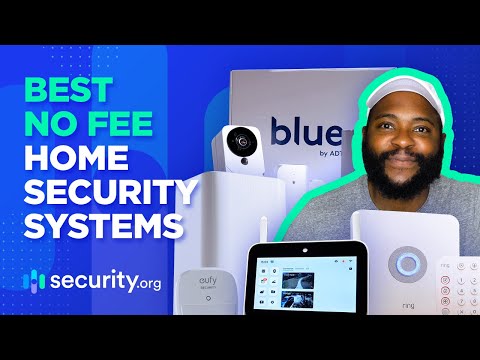
Living in an apartment comes with unique security challenges that differ significantly from standalone homes. Whether you rent a high-rise unit or a ground-floor studio, your personal safety and valuables deserve serious protection. An apartment alarm system is one of the most effective investments you can make to safeguard your space, deter intruders, and gain peace of mind every time you leave or lock your door. But with so many options on the market—from budget DIY kits to professionally monitored smart security setups—choosing the right system can feel overwhelming. This guide breaks down everything you need to know about apartment alarm systems, including the types available, key features to prioritize, installation tips, and expert recommendations tailored specifically for renters and tenants.
What Is an Apartment Alarm System?
An apartment alarm system is a security solution designed specifically for the unique layout, ownership structure, and constraints of apartment living. Unlike a full-house alarm that may require extensive wiring or structural modifications, apartment alarm systems are typically compact, non-invasive, and designed to comply with lease agreements. These systems can include door and window sensors, motion detectors, glass break sensors, surveillance cameras, smart locks, and siren alerts that notify you and potentially a monitoring center when unauthorized entry is detected.
Modern apartment security systems have evolved dramatically. Today’s wireless apartment alarm systems leverage Wi-Fi connectivity, smartphone apps, and cloud-based monitoring to deliver enterprise-grade protection without a single drill hole in your walls. Whether you are a first-time renter or a seasoned tenant, understanding your options is the first step toward a safer living environment.
Why Apartment Alarm Systems Matter
Apartment buildings may feel secure with doormen, locked lobbies, and shared hallways, but that sense of safety can be misleading. According to the FBI’s Uniform Crime Reporting program, burglary remains one of the most common property crimes in residential areas, and apartments are frequently targeted because of shared access points, predictable tenant schedules, and lower perceived risk for criminals. A reliable rental apartment alarm addresses these vulnerabilities head-on.
Here are the core reasons every apartment dweller should consider a dedicated alarm system:
- Deterrence: Visible alarm signage and audible sirens discourage burglars from targeting your unit in the first place.
- Early Detection: Sensors detect unauthorized entry instantly, giving you and authorities precious minutes to respond.
- Remote Monitoring: Smart systems let you check on your apartment from anywhere using your phone.
- Renter-Friendly Design: Many modern systems are lease-compliant and require zero permanent installation.
- Insurance Discounts: Homes and apartments with monitored alarm systems often qualify for reduced renter’s insurance premiums.
Common Security Threats in Apartments
Understanding the specific risks you face helps you choose the right tenant alarm protection features. The most common threats include:
- Forced entry through doors: Weak locks or sliding balcony doors are primary points of vulnerability.
- Unauthorized access via shared entry: Keys or access codes can be duplicated or shared among former tenants.
- Window break-ins: Ground-floor and accessible windows are especially susceptible.
- Package theft: Porch piracy is a growing concern in multi-unit buildings.
- Internal threats: Uninvited guests, maintenance personnel, or even neighbors with unauthorized access.
Types of Apartment Alarm Systems

Not all apartment security solutions are created equal. The right choice depends on your budget, rental status, technical comfort level, and the specific vulnerabilities of your unit. Below are the most common types of apartment alarm systems available today.
Wireless Smart Alarm Systems
Wireless systems are the gold standard for apartment renters. Brands like SimpliSafe, Ring Alarm, and ADT Self Setup offer kits that include a base station, door/window sensors, motion detectors, and a keypad—all communicating via Wi-Fi or cellular networks. Installation is straightforward: peel adhesive backing, stick sensors on doors and windows, place the motion detector strategically, and download the companion app. These smart apartment security alarms offer real-time push notifications, smartphone arming/disarming, and integration with voice assistants like Alexa and Google Assistant.
DIY vs. Professionally Monitored Systems
DIY systems put you in full control of your security setup without monthly contracts. You purchase the equipment upfront and manage monitoring yourself through your smartphone. Professionally monitored services, on the other hand, involve a monthly fee but provide 24/7 professional response—meaning if your alarm triggers, a monitoring center will contact emergency services on your behalf. For renters who travel frequently or want maximum peace of mind, professional monitoring adds a critical layer of response capability that DIY alone cannot match.
Standalone Security Devices
If a full system feels like overkill, standalone devices are an excellent alternative. Smart door sensors, portable motion alarms, door reinforcement bars, and video doorbells like the Ring Doorbell or Google Nest Hello can individually enhance your apartment’s security without committing to a comprehensive setup.
Key Features to Look For in an Apartment Alarm System
When evaluating apartment alarm systems, focus on features that directly address the constraints and needs of rental living:
- No permanent installation: Adhesive mounts, peel-and-stick sensors, and portable designs keep your lease intact.
- Cellular backup: Wi-Fi can go down; cellular connectivity ensures your alarm still communicates during outages.
- Smart home integration: Compatibility with smart locks, lights, and cameras creates a cohesive security ecosystem.
- Professional monitoring option: Even if you start with self-monitoring, having the option to upgrade later is valuable.
- Two-way audio: Allows you to communicate with visitors or deter intruders remotely through cameras or base stations.
- Compact and discreet design: Systems designed for apartments blend into small spaces without looking bulky.
- Battery backup: Ensures operation during power outages.
Comparison of Top Apartment Alarm Systems
Below is a side-by-side comparison of popular apartment alarm systems suitable for renters:
| System | Type | Monthly Cost | Installation | Monitoring | Best For |
| SimpliSafe | DIY Wireless | Starting at $0 (self-monitoring) | No tools required | Self or professional | Budget-conscious renters |
| Ring Alarm | DIY Wireless | $10–$20/month (professional monitoring) | Peel-and-stick sensors | Self or Ring Protect | Existing Ring ecosystem users |
| ADT Self Setup | DIY Wireless | Starting at $12.99/month | No tools required | ADT professional monitoring | Those wanting professional support without contracts |
| Abode | DIY Wireless | Starting at $0 (self-monitoring) | No tools required | Self or professional | Advanced automation enthusiasts |
| Vivint (compact kits) | Professional Install | $20–$40/month | Professional installation | 24/7 professional | Owners and long-term tenants willing to invest |
How to Install an Apartment Alarm System
One of the biggest advantages of modern apartment alarm systems is that installation requires no tools, no drilling, and no landlord approval in most cases. Here is a step-by-step guide to getting your system up and running:
- Assess your vulnerabilities: Walk through your apartment and identify all entry points—front door, back door, balcony doors, and windows that are accessible from outside.
- Choose your placement: Position the base station in a central location, ideally near where you spend the most time or near your bedroom. Place door sensors on every exterior door and motion detectors in hallways or open living areas.
- Clean surfaces before adhering: Use rubbing alcohol to wipe down surfaces where sensors will be mounted. This ensures the adhesive holds securely throughout the lease.
- Connect to Wi-Fi: Follow the manufacturer’s app instructions to pair sensors and the base station with your home network.
- Test every sensor: Open and close each door and window to confirm detection. Walk through the motion sensor’s range to verify coverage.
- Set up automation rules: Configure the system so that arming the alarm automatically locks smart locks, turns off lights, and sends you a confirmation notification.
Expert Tips for Maximizing Apartment Security
An alarm system is only as effective as how you use it. Security professionals recommend the following strategies to maximize your apartment’s protection:
- Always arm your system: Even when you are home, use “stay mode” to keep interior sensors active while disabling motion alerts in occupied rooms.
- Use smart lighting: Schedule interior lights to turn on and off at varying times when you are away to simulate occupancy.
- Rekey or change smart lock codes: Whenever a former roommate or guest moves out, update your access credentials immediately.
- Communicate with your landlord: If your building has known security issues—broken locks, dim hallways, or malfunctioning intercoms—report them in writing and follow up.
- Layer your security: Combine an alarm system with a video doorbell, window reinforcement film, and a door reinforcement bar for multi-layered protection.
- Keep packaging discreet: Break down boxes from expensive purchases and place them in opaque bags before disposing of them to avoid advertising valuable items.
Frequently Asked Questions About Apartment Alarm Systems
Is a landlord responsible for providing an alarm system in an apartment?

This depends entirely on your lease agreement and local tenant laws. In most cases, landlords are not legally required to provide an alarm system unless specified in the lease or local building codes. However, some luxury apartments include basic security systems as a standard amenity. If you are concerned about security, review your lease carefully and discuss upgrades with your landlord, as many will accommodate tenant requests for additional safety measures.
Can I install a permanent alarm system in my rented apartment?
Generally, no. Renter agreements typically prohibit permanent modifications, including drilling holes or hardwiring systems. This is why wireless, non-invasive, and lease-compliant systems are so popular among tenants. Always check your lease before installing anything, but rest assured that the best apartment alarm systems today require absolutely no structural changes.
How much does a quality apartment alarm system cost?
DIY wireless systems typically range from $200 to $350 for the initial equipment kit, with optional professional monitoring plans costing between $10 and $25 per month. Standalone devices like smart door sensors or video doorbells can cost anywhere from $30 to $200 each. Compared to the potential cost of a burglary—both financially and emotionally—these prices represent exceptional value for renter protection.
What is the best apartment alarm system for renters on a budget?
SimpliSafe consistently ranks as the top budget-friendly option for renters. Its entry-level kit starts around $230 with no monthly fee for self-monitoring, making it the most accessible choice. The system includes a base station, entry sensor, motion detector, and keychain remote. For those willing to invest a bit more in ecosystem integration, the Ring Alarm Starter Kit offers excellent value at a similar price point with strong Amazon Alexa integration.
Will my apartment alarm system work if the power goes out?
Most quality apartment alarm systems include battery backup that keeps the system operational during power outages. Additionally, cellular-based systems use a dedicated cellular network rather than relying solely on Wi-Fi, ensuring continuous communication with monitoring centers even if both power and internet are down. When evaluating systems, always check for both battery backup and cellular backup capabilities to ensure uninterrupted protection.
Final Thoughts
Your apartment is your personal sanctuary, and taking proactive steps to secure it is one of the smartest decisions you can make as a renter. An apartment alarm system provides layered protection that deters intruders, detects threats in real time, and gives you remote control over your home’s security from virtually anywhere. Whether you opt for a full-featured wireless kit like SimpliSafe or Ring Alarm, or choose to build a customized setup with standalone devices, the key is to start now rather than wait for an incident to motivate action. With the right system in place, proper configuration, and consistent daily use, you can enjoy the confidence and comfort that comes from knowing your home is protected around the clock.