
When most homeowners think about increasing property value and enhancing daily quality of life, the kitchen stands at the top of the list. Home improvement kitchen projects consistently rank as the single highest-impact renovation investment, and for good reason. The kitchen is the social and functional heart of any household — a space where families cook together, entertain guests, and build lasting memories. Whether you are a first-time renovator or a seasoned DIY enthusiast looking to tackle a mid-level remodel, understanding the nuances of kitchen transformation can make the difference between a disappointing result and a showstopper that elevates your entire home.
In this comprehensive guide, we will walk through everything you need to know about planning, executing, and finishing a home improvement kitchen project that delivers both aesthetic beauty and practical functionality. From layout design and material selection to smart appliance integration and budget allocation, this article covers beginner fundamentals, intermediate strategies, and advanced techniques that professional contractors and interior designers rely on.
Why Kitchen Renovation Delivers the Highest Return on Investment

ROI and Property Value
According to major real estate reports, a minor kitchen remodel recovers approximately 72% to 85% of its cost at resale, while a major gut renovation can recoup up to 60% or more depending on your market. The key reason behind these impressive returns is buyer psychology. Prospective homebuyers evaluate the kitchen more intensely than any other room because it signals the overall maintenance, quality, and modernity of the entire house.
A well-executed home improvement kitchen upgrade addresses both functional and emotional needs. Buyers want granite countertops, stainless steel appliances, efficient storage, and a layout that supports open-concept entertaining. By investing in these features strategically, you position your property competitively in a crowded real estate market.
Market Trends Driving Kitchen Upgrades
- Open-concept layouts that connect the kitchen to dining and living areas
- Sustainable and reclaimed materials that appeal to eco-conscious buyers
- Multi-functional islands serving as prep stations, dining areas, and social hubs
- Integrated smart appliances that reduce energy consumption and streamline workflows
- Statement range hoods and backsplash feature walls as focal design elements
Planning Your Kitchen Remodel: A Step-by-Step Roadmap
Assessing Your Current Layout
Before spending a single dollar, evaluate your existing kitchen with a critical eye. Identify the kitchen work triangle — the relationship between the sink, stove, and refrigerator — and note any bottlenecks. A cramped or inefficient layout often costs more in daily frustration than the price of a redesign. Measure your space precisely, note the locations of plumbing and electrical lines, and photograph every angle to create a reference plan.
Beginners should focus on cosmetic updates such as repainting cabinetry, replacing hardware, and updating lighting. Intermediate renovators might consider repositioning the sink or relocating the backsplash. Advanced projects involve structural wall removal, appliance upgrades, or completely reimagining the floor plan.
Setting a Realistic Budget
Budgeting is where most kitchen projects either succeed or fail spectacularly. A well-planned budget accounts for materials, labor, permits, contingency funds, and temporary living arrangements if the kitchen becomes uninhabitable during construction. Here is a general budget breakdown to guide your planning:
- Cabinets and hardware — typically 30% to 40% of total budget
- Countertops — 10% to 15%
- Appliances — 15% to 20%
- Flooring — 5% to 10%
- Lighting and electrical — 5% to 10%
- Labor and permits — 15% to 25%
- Contingency reserve — 10% to 15%
Always allocate a contingency fund. Hidden issues such as outdated wiring, water-damaged subfloors, or plumbing surprises can rapidly inflate costs. Experienced renovators recommend keeping at least 10% of the total budget untouched for emergencies.
Materials and Fixtures That Transform Your Space
Countertop Options Compared
Choosing the right countertop material is one of the most consequential decisions in any home improvement kitchen project. Each option offers distinct advantages in durability, aesthetics, and maintenance. The table below compares popular choices:
| Material | Durability | Cost Range (per sq ft) | Heat Resistance | Maintenance Level |
| Granite | Excellent | $40–$200 | High | Low — requires sealing annually |
| Quartz | Excellent | $50–$120 | Moderate | Very Low — non-porous surface |
| Marble | Moderate | $50–$250 | Low — prone to etching | High — requires regular sealing |
| butcher block | Good | $30–$80 | Low | Moderate — needs oiling regularly |
| Concrete | Excellent | $65–$150 | Very High | Moderate — requires sealing |
Quartz has become the go-to choice for most homeowners because it combines the natural beauty of stone with engineered durability and minimal maintenance. It is also highly consistent in color and pattern, making it ideal for large surfaces. Granite remains a premium favorite for those who want unique veining and superior heat tolerance, while butcher block adds warmth and character to rustic or farmhouse-style kitchens.
Cabinet Upgrades and Storage Solutions
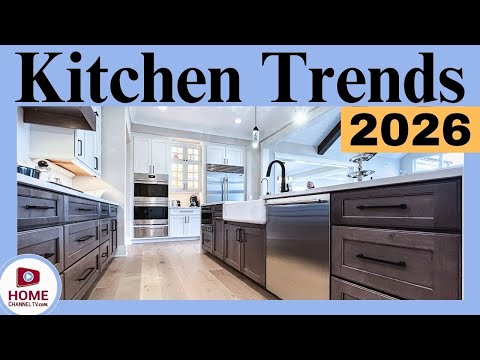
Cabinets consume the largest share of any kitchen budget, yet they also have the greatest impact on perceived quality. Rather than replacing entire cabinet boxes — a costly and disruptive process — consider refacing your existing cabinets with new doors, drawer fronts, and hardware. This approach can reduce costs by 40% to 60% while delivering a dramatically fresh appearance.
For storage optimization, interior organizers are an underappreciated gem. Pull-out spice racks, vertical dividers for baking sheets, deep drawer inserts for pots and pans, and corner carousel units transform cluttered cabinets into highly efficient storage systems. If your budget allows, adding a pantry or extending cabinet depth provides additional functionality that buyers and daily users alike will appreciate.
Lighting Design Strategies for Modern Kitchens
Lighting is the single most overlooked element in home improvement kitchen projects, yet it fundamentally transforms the mood, usability, and perceived value of the space. Professional designers rely on a layered lighting approach that combines ambient, task, and accent sources to create a dynamic and functional environment.
Ambient lighting provides overall illumination and typically comes from recessed ceiling fixtures or a central pendant over the island. Task lighting targets specific work zones — under-cabinet LED strips are essential above prep areas and the stove. Accent lighting highlights architectural features such as open shelving, a statement backsplash, or a display of glassware inside glass-front cabinets.
Experts recommend installing dimmer switches on all lighting circuits. This simple addition allows you to shift the kitchen from bright task-mode during cooking to warm, ambient glow during dinner parties or casual evening gatherings.
Smart Appliances and Technology Integration
The integration of smart home technology into the kitchen represents one of the most exciting frontiers in residential improvement. Modern connected appliances do not just add novelty — they genuinely improve efficiency, safety, and convenience in daily kitchen operations.
Best Smart Kitchen Devices Worth Considering
- Smart refrigerators with internal cameras, inventory tracking apps, and touchscreen displays for meal planning
- Voice-controlled smart ovens that allow remote preheating and precise temperature monitoring through mobile apps
- Induction cooktops that offer instant heat control, improved safety, and energy efficiency compared to traditional gas or electric burners
- Smart dishwashers that automatically adjust cycle length and water temperature based on load sensors
- Automated lighting and ventilation systems that activate based on motion detection and air quality sensors
When selecting smart appliances, ensure compatibility with your preferred home ecosystem — whether that is Google Home, Amazon Alexa, or Apple HomeKit. Interoperability prevents fragmentation and ensures a seamless experience across all connected devices in your home.
Hiring Professionals vs. DIY: What You Need to Know
The decision to hire professionals or tackle a home improvement kitchen project yourself depends on your skill level, available time, and the scope of the work. Minor cosmetic updates — painting, hardware replacement, fixture swaps — are excellent DIY candidates. However, any project involving plumbing relocation, electrical rewiring, gas line modifications, or structural changes demands licensed professionals for both safety and code compliance.
Even if you plan a DIY approach, consult with a professional designer for at least a single session to review your layout and material selections. This modest investment can prevent costly mistakes and ensure your vision aligns with structural realities and building codes. For intermediate and advanced projects, consider a hybrid approach: hire licensed tradespeople for plumbing and electrical work while handling finishing tasks like painting, hardware installation, and fixture setup yourself.
Conclusion
A successful home improvement kitchen project balances vision with practicality. By planning meticulously, selecting materials wisely, investing in layered lighting, and integrating technology thoughtfully, you create a space that serves your family’s daily needs while delivering outstanding returns at resale. Start with clear priorities, build your budget around those priorities, and never underestimate the transformative power of a well-designed kitchen. Whether you are updating a single backsplash or undertaking a complete gut renovation, every thoughtful decision moves you closer to the kitchen of your dreams.
Frequently Asked Questions
What is the most cost-effective home improvement kitchen upgrade for increasing property value?
Replacing cabinet doors and hardware, updating the backsplash, and installing new LED lighting deliver the highest visual impact per dollar spent. These cosmetic changes modernize the kitchen dramatically without requiring structural work or major appliance investments.
How long does a typical kitchen remodel take to complete?
A minor cosmetic kitchen refresh typically takes two to four weeks, while a mid-level remodel involving new countertops, appliances, and layout adjustments takes six to ten weeks. Major gut renovations with structural changes, plumbing relocation, and electrical upgrades can extend to twelve to sixteen weeks depending on permitting timelines and material availability.
What kitchen layout is best for small spaces during a home improvement project?
The galley layout and the L-shaped layout are the most efficient configurations for small kitchens. Both maximize the work triangle, minimize wasted floor space, and create clear traffic flow. Adding a compact peninsula or an open shelving wall can further optimize functionality in limited square footage.
How much should I budget for a mid-level home improvement kitchen remodel?
For a mid-level kitchen remodel averaging 150 square feet, budget between $25,000 and $55,000. This range typically covers new cabinetry, quartz or granite countertops, updated appliances, quality lighting fixtures, and professional labor. Always add a 10% to 15% contingency buffer for unexpected discoveries during demolition.
Can I install kitchen countertops myself to save money on a home improvement project?
While it is technically possible for experienced DIYers to install butcher block or modular laminate countertops, stone and quartz installations require professional cutting, fabrication, and sealing expertise. Improper installation leads to visible seams, edge damage, and premature wear that ultimately costs more to repair than the savings justify.