Finding the best house insurance can feel overwhelming when you are staring at dozens of providers, policy types, and coverage options. Whether you just purchased your first home or you are a seasoned homeowner looking to upgrade your plan, understanding what separates a good policy from a great one is critical. Home insurance is not just a checkbox on your mortgage checklist — it is your financial safety net against disasters, liability claims, and unexpected losses. In this guide, we break down everything you need to know to select the best homeowner insurance that fits your property, your budget, and your peace of mind.
What Makes a House Insurance Policy the Best?
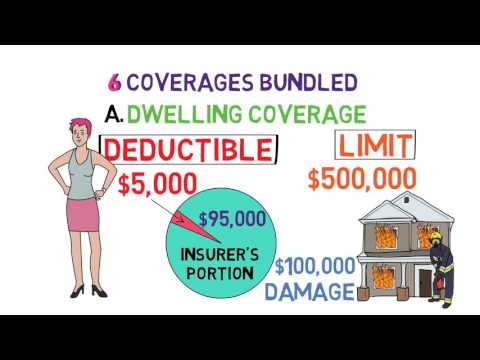
The answer depends on your unique situation, but the best house insurance policies share several common qualities. They offer comprehensive dwelling protection, flexible personal property coverage, reasonable deductibles, and responsive customer service. A top-tier homeowners insurance policy also includes liability coverage that protects you if someone is injured on your property or if you accidentally cause damage to someone else’s home.
When evaluating the best home insurance options, look beyond the monthly premium. The cheapest policy rarely provides the best value. Instead, focus on the coverage limit, the exclusions, the claims process, and the financial stability of the insurance carrier.
Types of Home Insurance Policies You Should Know
Not all homeowner insurance policies are created equal. The type of coverage you choose directly affects what is protected and how much you pay. Understanding the standard policy forms is the first step toward finding the best house insurance for your needs.
HO-3 Special Form: The Most Popular Choice
The HO-3 Special Form is the most common homeowners insurance policy in the United States. It provides open-peril coverage for your dwelling, meaning almost everything is covered unless specifically excluded. Your personal belongings, however, are typically covered on a named-peril basis, meaning only the risks listed in the policy are protected. Most mortgage lenders require at least an HO-3 policy, making it a practical starting point for the majority of homeowners.
HO-5 Comprehensive Form: The Gold Standard
If you want the broadest protection available, the HO-5 Comprehensive Form is widely considered the best house insurance option for homeowners seeking maximum coverage. It provides open-peril coverage for both your dwelling and your personal property, which means fewer exclusions and more payouts when disasters strike. HO-5 policies tend to come with higher premiums, but the added protection for high-value items like jewelry, electronics, and furniture makes them well worth it for many households.
HO-1 and HO-2 Basic and Broad Forms
HO-1 and HO-2 policies are more limited and are typically used for older or lower-value homes. They only cover damages caused by specific perils listed in the policy, such as fire, lightning, windstorms, and theft. While these policies are more affordable, they leave significant gaps in protection and are generally not recommended unless you have no other options.
HO-4 Renters Insurance
Though not technically house insurance, renters who own valuable personal property should consider HO-4 coverage. It protects belongings and provides liability coverage without covering the physical structure of the building, which is the landlord’s responsibility.
Key Factors That Determine Your Insurance Premium
Insurance companies use a variety of factors to calculate your homeowners insurance premium. Understanding these variables can help you make informed decisions and potentially lower your costs.
- Location and Risk Exposure — Homes in areas prone to wildfires, floods, hurricanes, or earthquakes typically face higher premiums. Your ZIP code plays a significant role in pricing.
- Home Value and Construction Materials — A brick home will generally cost less to insure than a wood-frame home in a wildfire zone. The replacement cost of your dwelling is a primary pricing factor.
- Claims History — A history of frequent claims signals higher risk to insurers, which can increase your rates.
- Credit-Based Insurance Score — In most states, insurers use your credit-based insurance score as a predictor of claim likelihood.
- Deductible Amount — Choosing a higher deductible lowers your monthly premium but increases your out-of-pocket cost when you file a claim.
- Security Features — Homes equipped with smoke detectors, burglar alarms, and deadbolt locks often qualify for discounts.
Comparing Top House Insurance Providers
To help you narrow down your search, here is a comparison of some of the leading providers known for offering the best house insurance coverage in the market. Keep in mind that availability varies by state, so always verify quotes for your specific location.
| Provider | Policy Types | Notable Coverage | Discounts Available | Customer Rating |
| State Farm | HO-1, HO-2, HO-3, HO-5 | Comprehensive personal property, scheduled items | Bundling, smart home, defensive driving | 4.7/5 |
| Allstate | HO-3, HO-5 | Comprehensive replacement cost, identity protection | Bundling, safe home, loyalty | 4.5/5 |
| USAA | HO-3, HO-5 | Full replacement cost, military benefits | Bundling, military affiliation | 4.8/5 |
| Amica | HO-3, HO-5 | Premier full replacement, loss-of-use coverage | Bundling, loyalty, non-smoker | 4.6/5 |
| Lemonade | HO-3, HO-5 | Fast claims processing, AI-driven service | Bundling, home security | 4.3/5 |
Each provider has strengths. State Farm excels in customer service and agent accessibility. USAA is unmatched for military families. Lemonade stands out for its digital-first, fast claims experience. Your ideal choice depends on what matters most to you: cost, coverage breadth, or service speed.
How to Choose the Best House Insurance for Your Home
Selecting the best homeowner insurance requires a deliberate approach. Start by assessing the replacement cost of your home, not its market value. The replacement cost reflects what it would take to rebuild your house from scratch, including materials and labor. Next, inventory your personal belongings. Take photos, keep receipts, and estimate the total value of your possessions. This inventory will help you determine the right personal property coverage limit.
After that, evaluate your liability exposure. If you have a swimming pool, a trampoline, or frequent guests, you may want higher liability limits than the standard $100,000 or $300,000. Consider adding an umbrella policy if your assets exceed the liability limits of your base homeowners insurance.
Tips for Getting the Best Rates
- Bundle your house insurance with auto insurance from the same provider.
- Install impact-resistant roofing and storm shutters to qualify for wind mitigation discounts.
- Pay your premium annually instead of monthly to avoid processing fees.
- Increase your deductible if you have sufficient emergency savings.
- Ask about loyalty and claims-free discounts every policy renewal.
Expert Tips to Maximize Your Coverage
Even the best house insurance policy can fall short if you do not use it strategically. Here are expert recommendations to ensure you get full value from your coverage.
1. Understand the difference between actual cash value and replacement cost. Actual cash value policies pay out the depreciated value of your belongings, while replacement cost policies pay what it costs to buy a new item of similar kind and quality. Always choose replacement cost coverage for your personal property.
2. Add scheduled personal property endorsements. Standard policies cap coverage for high-value items like watches, art, and collectibles. Scheduling these items separately ensures they are fully protected without affecting your overall limit.
3. Review your policy annually. Home values and rebuilding costs change every year. An annual policy review ensures your coverage keeps pace with inflation and any home improvements you have made.
4. Document everything. In the event of a claim, having a detailed inventory with photographs and receipts dramatically speeds up the process and reduces disputes with your insurer.
Frequently Asked Questions

What is the best house insurance for first-time homebuyers?
For first-time homebuyers, an HO-3 Special Form policy from a reputable provider like State Farm or Allstate offers the right balance of comprehensive coverage and affordability. Look for policies that include replacement cost coverage for both the dwelling and personal property, and consider bundling with auto insurance for immediate savings.
How much house insurance do I really need?
Your dwelling coverage limit should match the estimated replacement cost of your home, not its purchase price or market value. A general rule of thumb is to carry enough coverage to rebuild your home at current construction costs, plus at least 50% to 70% of that amount for personal property coverage. Liability coverage should be at least $300,000, and adding an umbrella policy is wise for homeowners with significant assets.

Does house insurance cover flood and earthquake damage?
Standard homeowners insurance policies do not cover flood or earthquake damage. If you live in a flood-prone or earthquake-prone area, you will need to purchase separate flood insurance through the National Flood Insurance Program (NFIP) or a private insurer and a separate earthquake insurance policy. These additional coverages are essential for complete risk protection.
What is the difference between HO-3 and HO-5 insurance?
The primary difference lies in how personal property is covered. An HO-3 policy covers personal belongings on a named-peril basis, meaning only specific listed risks are covered. An HO-5 policy covers both the dwelling and personal property on an open-peril basis, which means everything is covered except what is specifically excluded. HO-5 policies offer broader, more flexible protection and are considered superior for comprehensive homeowners insurance needs.
You can lower your house insurance premium by increasing your deductible, bundling multiple policies with one provider, installing security systems and impact-resistant upgrades, maintaining a good credit-based insurance score, and avoiding claims for minor incidents. Shopping around and comparing quotes from at least three different insurers every renewal cycle is also one of the most effective strategies for finding affordable yet robust coverage.
Final Thoughts
Choosing the best house insurance is one of the most important financial decisions a homeowner can make. The right policy protects your largest asset, shields you from liability, and provides the confidence that comes from knowing you are prepared for the unexpected. By understanding the different policy types, comparing providers, and actively managing your coverage, you can secure a homeowners insurance plan that delivers exceptional value and peace of mind for years to come. Do not wait until disaster strikes — take the time today to review, compare, and invest in the best house insurance that works for you.