


When you live in Alaska, surviving a storm is not a matter of if—it’s a matter of when. From the freezing winds that tear through Anchorage neighborhoods to the devastating floods that carve through remote villages along the Yukon River, Alaska storm damage is a reality that homeowners, businesses, and communities face every single year. Understanding how these storms form, what kind of destruction they cause, and how to prepare for and recover from them is essential for anyone who calls the Last Frontier home. This guide dives deep into the world of Alaska storm damage, covering everything from the most common types of destruction to expert-level strategies for protecting your property and navigating the insurance claims process.
What Is Alaska Storm Damage and Why Does It Matter?
Alaska storm damage refers to the physical destruction caused by severe weather events across the state’s vast and varied landscape. Unlike storm damage in the Lower 48, Alaskan storm damage often involves a combination of extreme cold, heavy snowfall, high winds, and—increasingly—coastal flooding driven by changing climate patterns. The state’s unique geography, sparse infrastructure in rural areas, and exposure to both Arctic and Pacific weather systems make storm damage in Alaska particularly complex and costly to address.
The financial impact is staggering. According to state and federal disaster records, Alaska routinely ranks among the top states for per-capita disaster recovery costs. A single severe storm event can cause millions of dollars in damage to homes, roads, utilities, and public facilities. For rural Alaskans, the stakes are even higher, because damaged infrastructure can cut off access to food, medical care, and communication for days or even weeks.
Types of Storms That Cause Damage in Alaska
Alaska is not just about blizzards. The state experiences a surprising variety of storm systems, each with its own damage profile. Understanding which storms threaten your area is the first step in effective prevention.
Winter Storms and Blizzards
Winter storms are the most visible cause of Alaska storm damage across the state. These systems bring heavy snowfall, sustained winds exceeding 50 mph, and wind chills that can plunge below minus 40 degrees Fahrenheit. The combination of heavy snow accumulation and extreme wind creates dangerous load on roofs, collapses power lines, and makes travel nearly impossible.
Blizzards in Alaska can last for days, especially in the Interior and Arctic regions. Ice dams form on rooftops when heat escapes into the attic, melting snow that refreezes at the eaves. This is one of the most common causes of interior water damage during winter storms.
Coastal Storms and Storm Surge
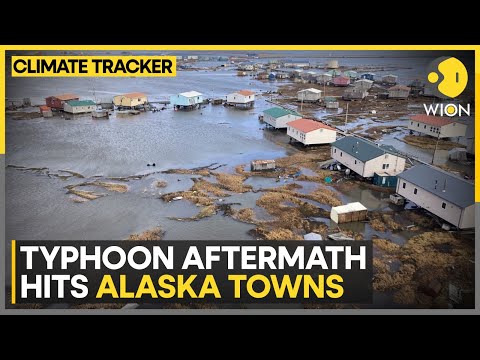
Alaska’s 6,640-mile coastline is highly vulnerable to Pacific storm systems, particularly in the Aleutian Islands and the Gulf of Alaska coast. Coastal storms bring powerful storm surge, wave action, and erosion that can destroy entire shorefront properties. The village of Shishmaref and Newtok are among the most dramatically affected communities, where storm damage accelerates the already critical issue of permafrost thaw and land loss.
Glacial Floods (Jökulhlaups)
One uniquely Alaskan hazard is the jökulhlaup—a sudden, catastrophic outburst flood from a glacier or glacial lake. These floods can release millions of gallons of water in hours, sweeping away bridges, roads, and buildings in their path. The 2011 outburst from Flat Creek near Matanuska Glacier and the periodic flooding from Suicide Basin near Juneau are well-documented examples of glacial storm damage in Alaska.
Common Types of Alaska Storm Damage
Storm damage in Alaska manifests in several distinct forms, each requiring different response and repair strategies.
Roof and Structural Damage
Heavy snow loads are the leading cause of structural damage in Alaska storms. Older homes built before modern snow-load building codes are especially vulnerable. Rotted rafters, collapsed roof sections, and blown-off shingles are common findings after a severe winter storm. High winds during Pacific cyclones can also tear off siding, windows, and even entire wall sections of poorly secured structures.
Flooding and Water Intrusion
Alaska storm flooding comes from multiple sources: storm surge along the coast, rapid snowmelt in Interior communities, ice jam flooding on rivers, and glacial outburst events. Flood damage is often more extensive than the visible water line suggests, because floodwaters carry sediment, debris, and contaminants that damage foundations, insulation, and electrical systems. Mold growth can begin within 24 to 48 hours of water intrusion, compounding the long-term damage.
Power Outages and Infrastructure Loss
Ice accumulation on power lines and tree limbs causes frequent outages across Alaska, particularly in the Matanuska-Susitna Valley and the Southeast panhandle. In rural communities, a single downed transmission line can leave an entire village without electricity for weeks. Damaged water treatment facilities and fuel storage sites also create cascading public health risks after major storm events.
How to Protect Your Property from Alaska Storms
Proactive preparation dramatically reduces the severity of Alaska storm damage to your home or business. Here are expert-level strategies that go beyond basic advice:
- Reinforce your roof for snow load. Have a structural engineer evaluate your roof’s capacity against current Alaska building code snow load requirements for your zone. Install additional rafters or trusses if needed, and ensure attic insulation prevents ice dams.
- Install a sump pump with battery backup. Power outages are guaranteed during severe storms, so a battery-powered or water-powered backup sump pump keeps your basement dry even when the grid is down.
- Secure all exterior structures. Anchor sheds, decks, and fences with deep-set posts and hurricane straps. High winds in Alaska regularly turn unsecured structures into projectiles that damage neighboring properties.
- Create a flood barrier plan. If you live in a flood-prone area, install sandbags, flood vents, or a permanent levee system. Elevate critical utilities—including the furnace, water heater, and electrical panel—above the base flood elevation.
- Maintain emergency systems. Keep generators serviced, fuel tanks full, and communication devices charged. Rural Alaskans should consider satellite internet and satellite phones for emergency communication when cellular networks fail.
Insurance and Recovery After Alaska Storm Damage
Navigating the insurance process after Alaska storm damage requires careful documentation and knowledge of policy specifics. Most standard homeowners policies cover wind and snow damage but may exclude flood damage, which requires a separate National Flood Insurance Program (NFIP) policy or private flood insurance.
For glacial outburst flooding and erosion-related damage, coverage can be particularly complicated. The Alaska Division of Insurance recommends that property owners review their policies annually and discuss flood endorsements explicitly with their agents. After a storm, document all damage with photographs, videos, and written inventories before beginning any repairs, as insurers typically require a detailed damage assessment before authorizing payment.
Recovery timelines vary significantly depending on location and severity. Urban areas like Anchorage and Fairbanks typically see faster FEMA and state emergency response, while rural communities may wait days or weeks for road access to be restored before relief crews can arrive. The Alaska Military and Civil Support Task Force is often activated for major storm events to assist with logistics in remote areas.
Storm Damage Cost Comparison by Region in Alaska
| Region | Primary Storm Type | Average Annual Damage (Est.) | Most Vulnerable Infrastructure |
| Southcentral (Anchorage, Mat-Su) | Winter storms, ice storms | $30–50 million | Roofs, power lines, roads |
| Southeast Panhandle | Pacific coastal storms | $20–40 million | Coastal structures, docks, utilities |
| Interior (Fairbanks, Delta Junction) | Extreme cold, ice jams | $10–25 million | Riverside infrastructure, foundations |
| Western Arctic / Aleutians | Coastal storms, blizzards | $40–70 million | Villages, fuel systems, airfields |
| Southwest (Yukon-Kuskokwim) | Flooding, erosion | $15–30 million | Homes, water systems, roads |
These estimates are based on FEMA disaster declarations and state emergency management reports from the past decade. Actual costs can vary widely based on storm intensity and community resilience investments.
Frequently Asked Questions About Alaska Storm Damage
What is the most common type of storm damage in Alaska?
The most common type of Alaska storm damage is structural damage caused by heavy snow loads and ice accumulation on roofs and support structures. Winter storms affect the vast majority of the state’s populated areas each year, making snow-related damage the most frequently reported and insured form of storm destruction.
Does homeowners insurance cover glacial flooding and ice jam damage?
Standard homeowners insurance typically does not cover flood damage from glacial outbursts or river ice jams. Property owners need separate flood insurance through the NFIP or a private flood carrier. However, damage caused directly by wind or falling trees during a storm is generally covered under a standard policy, so it is important to distinguish the cause of damage when filing a claim.
How can rural Alaskan communities prepare for severe storm events?
Rural communities should establish emergency communication networks, maintain backup power systems, stockpile emergency supplies for at least two weeks, and participate in community-level disaster planning through the Alaska Division of Homeland Security and Emergency Management. Building with storm-resistant materials and elevating critical infrastructure above projected flood levels are also essential long-term strategies.
What should you do immediately after experiencing storm damage in Alaska?
First, ensure your family is safe and contact emergency services if there is any immediate danger. Document all damage thoroughly with photographs and written descriptions before making any repairs. Contact your insurance provider as soon as possible to file a claim, and keep all receipts related to emergency mitigation efforts, as these are typically reimbursable. If the damage is severe, also register with FEMA through disasterassistance.gov for potential federal aid.
Is Alaska storm damage increasing due to climate change?

Yes, evidence strongly suggests that Alaska storm damage is increasing in both frequency and severity due to climate change. Rising temperatures are causing more rapid coastal erosion, more intense Pacific storm systems, increased permafrost thaw that weakens building foundations, and more erratic precipitation patterns that lead to heavier snowfall and more frequent flooding events. The state’s climate is changing faster than almost anywhere else on Earth, making storm preparedness more critical than ever.
Final Thoughts on Alaska Storm Damage
Alaska storm damage is not just a seasonal inconvenience—it is a defining challenge of life in one of the most extreme environments on the planet. Whether you are a lifelong Alaskan or a newcomer to the state, taking storm preparedness seriously is one of the smartest investments you can make. From reinforcing your roof and installing flood barriers to understanding your insurance coverage and maintaining emergency supplies, every proactive step reduces the risk and cost of recovery when the next storm hits. The storms will come, but with the right knowledge and preparation, you can protect what matters most and recover faster when they do.