Buying insurance is one of the most important financial decisions you will ever make, yet millions of people either delay it, skip it entirely, or purchase policies that leave them dangerously underprotected. Whether you are a first-time buyer trying to understand the basics or someone looking to upgrade your existing coverage, knowing how to buy insurance the right way can save you thousands of dollars in premiums, claims disputes, and out-of-pocket expenses. This comprehensive guide walks you through everything you need to know about purchasing the right insurance coverage, from understanding policy types and comparing quotes to avoiding common pitfalls that even experienced buyers fall into. Let us dive in.
Why Buying Insurance Is Non-Negotiable in Today’s World
Insurance is not just a safety net; it is a strategic tool for financial preservation. Without adequate coverage, a single accident, illness, or natural disaster can wipe out years of savings in a matter of days. When you buy insurance thoughtfully, you are not transferring risk for the sake of it — you are making a calculated decision to protect your income, your assets, and your family’s future. The insurance industry has evolved significantly over the past decade, and today’s policies offer far more flexibility, customization, and transparency than ever before. But this abundance of options also means that choosing wisely requires knowledge and a clear understanding of your personal risk profile.
Types of Insurance You Should Seriously Consider
Not all insurance policies serve the same purpose, and not every type of coverage is right for every person. Here is a breakdown of the most essential categories you should evaluate when you are ready to purchase an insurance policy.
Life Insurance: Protecting Your Family’s Future
Life insurance is the cornerstone of any solid financial plan. If you have dependents — a spouse, children, or aging parents — a life policy ensures that they are not left financially stranded. There are two primary categories: term life insurance, which covers you for a specific period (typically 10, 20, or 30 years), and whole life insurance, which provides permanent coverage and builds cash value over time. Term policies are generally more affordable and are the preferred choice for most young families and first-time buyers.
Health Insurance: Covering Medical Expenses
Health insurance remains one of the most critical types of coverage in an era of rising healthcare costs. Whether you buy through an employer-sponsored plan, the Affordable Care Act marketplace, or a private insurer, the key is to evaluate deductibles, copayments, coinsurance, and out-of-pocket maximums carefully. A plan with lower monthly premiums might seem attractive, but it can become costly if you frequently visit doctors or require specialty care.
Auto Insurance: More Than Just Legal Compliance
Auto insurance is mandatory in most states, but simply buying the minimum required coverage is a mistake many drivers make. When you buy car insurance, you should consider liability, collision, comprehensive, uninsured motorist, and personal injury protection. Your driving history, vehicle type, and annual mileage all influence your premium, so it pays to shop around and compare offers from multiple providers.
Home and Renters Insurance: Guarding Your Property
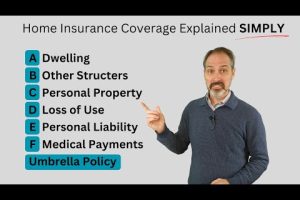
Homeowners insurance covers your dwelling, personal belongings, and liability for injuries on your property. Renters insurance performs a similar function for tenants, covering personal property and liability at a fraction of the cost. Many renters underestimate how much their possessions are worth, so conducting a home inventory before purchasing a policy is a smart move.
How to Choose the Right Insurance Policy
Selecting the right policy can feel overwhelming, but breaking the process into manageable steps makes it far less intimidating. Here is a practical roadmap for anyone looking to buy insurance coverage that actually fits their needs.
- Assess your risk profile. Consider your age, health, income, dependents, assets, and lifestyle. A young single professional has vastly different needs than a married parent of three.
- Determine your coverage goals. Ask yourself what you are protecting — income replacement, medical costs, property, or liability exposure.
- Set a realistic budget. Insurance premiums should typically consume no more than 5–10% of your gross monthly income, depending on the type of coverage.
- Compare quotes from at least three providers. Online comparison tools make this easier than ever, but do not rely solely on price — consider the insurer’s financial strength, customer service reputation, and claims process.
- Read the fine print. Pay attention to exclusions, waiting periods, coverage limits, and policy conditions before signing anything.
- Review and adjust annually. Life changes — marriage, children, home purchases, career shifts — all warrant a reassessment of your coverage.
Comparing Popular Insurance Types at a Glance

Below is a comparison table to help you quickly evaluate the core differences between the most common types of insurance policies.
| Insurance Type | Primary Purpose | Average Annual Cost | Who Needs It Most |
| Term Life Insurance | Income replacement for dependents | $300–$600 | Parents, breadwinners |
| Health Insurance | Medical expense coverage | $2,000–$7,000+ | Everyone |
| Auto Insurance | Vehicle and liability protection | $800–$2,000 | All drivers |
| Homeowners Insurance | Property and liability protection | $1,200–$2,500 | Homeowners |
| Renters Insurance | Personal property and liability | $150–$300 | Tenants |
| Disability Insurance | Income protection during illness/injury | $500–$2,000 | Working professionals |
Note: Costs vary widely based on location, age, health, coverage limits, and deductible selections. The figures above are rough national averages and should be used for general guidance only.
Common Mistakes to Avoid When Buying Insurance

Even savvy consumers make mistakes when purchasing insurance. Avoiding these errors can make a significant difference in both your premium costs and the quality of your coverage.
- Buying the cheapest policy without comparing coverage details. The lowest premium often comes with higher deductibles, lower limits, or critical exclusions.
- Underinsuring your home or property. Inflation and construction costs rise every year; your coverage limits should reflect current replacement costs, not what you originally paid.
- Skipping life insurance because you are young and healthy. The younger and healthier you are when you buy a policy, the lower your premiums will be for the entire term.
- Failing to disclose relevant information. Misrepresenting your health, driving history, or lifestyle can void your policy entirely when you need it most.
- Ignoring bundling opportunities. Many insurers offer significant discounts when you combine auto, home, and life policies under one provider.
Expert Tips for Getting the Best Insurance Coverage
Drawing on industry best practices and experienced agent insights, here are some proven strategies to maximize the value of every insurance dollar you spend.
- Increase your deductible. Raising your deductible from $500 to $1,000 can reduce premiums by 15–30%, assuming you have an emergency fund to cover the gap.
- Ask about loyalty and safe-driver discounts. Many insurers reward long-term customers and those with clean claims histories, but you often have to ask — these discounts are not always applied automatically.
- Review beneficiary designations regularly. Life changes such as divorce, the birth of a child, or the death of a primary earner should trigger an immediate update to your life insurance beneficiaries.
- Work with an independent broker. Unlike captive agents who represent a single company, independent brokers can access policies from multiple carriers, giving you a broader range of options and competitive pricing.
- Understand the claims process before you need it. Ask potential insurers about average claim settlement times, required documentation, and how to file a claim online or via mobile app.
Frequently Asked Questions About Buying Insurance
1. How much insurance do I actually need?
The amount of coverage you need depends on your financial obligations, income, and goals. A common rule of thumb for life insurance is to purchase a policy worth 10–15 times your annual income, but this should be adjusted based on your debts, mortgage balance, and future expenses like education costs.
2. What is the best time to buy insurance?
The best time is as early as possible. Younger and healthier individuals qualify for lower premiums, and buying early means you are protected before unexpected events occur. That said, it is never too late — coverage options exist for people of all ages.
3. Can I buy insurance online without talking to an agent?
Absolutely. Most major insurance companies now offer online purchase platforms where you can compare plans, customize coverage, and complete the transaction entirely digitally. However, speaking with a licensed agent is still recommended for complex policies or unique coverage needs.
In most U.S. states, insurers use credit-based insurance scores as a factor in determining premiums. A higher credit score generally correlates with lower rates, which is another compelling reason to maintain good credit health.
Most policies include a grace period — typically 30 days — during which your coverage remains active even if you miss a payment. However, if the premium goes unpaid after the grace period, the policy lapses and you lose all coverage. Setting up automatic payments is the easiest way to avoid this risk.
6. Is it better to buy insurance through an employer or independently?
Employer-sponsored insurance often comes with group rates and employer contributions, making it more affordable. However, it may not offer the breadth of coverage or flexibility you need. Independent policies allow you to tailor coverage to your exact requirements, which is especially valuable for self-employed individuals or those with unique risk exposures.
Final Thoughts
Buying insurance is not about fear — it is about empowerment. When you understand the types of coverage available, know how to compare policies effectively, and avoid the traps that catch so many buyers off guard, you can secure a safety net that gives you genuine peace of mind. Take the time to evaluate your needs, get multiple quotes, and invest in policies that align with your life stage and financial goals. The right insurance strategy does not just protect what you have today; it safeguards the future you are working so hard to build.