


As winter settles in, your home’s plumbing system faces a relentless adversary: freezing temperatures. When the mercury drops, water inside your pipes contracts, creating immense pressure that can lead to burst pipes, flooding, and costly repairs. Preparing your home for the cold months is not just a seasonal chore; it is a critical investment in your property’s structural integrity and your family’s comfort. Understanding how to protect your pipes before the deep freeze sets in can save you thousands of dollars in emergency plumbing services. This comprehensive guide dives deep into cold weather plumbing tips, ranging from basic insulation techniques to advanced winterization strategies that even seasoned homeowners overlook.
Winterize Your Pipes: The Ultimate Preventative Guide
The cornerstone of protecting your home during winter is proactive pipe winterization. Many homeowners wait until the first freeze to act, which is often too late. The key to effective pipe protection lies in understanding where vulnerabilities exist and addressing them before temperatures plummet below freezing. Focusing on frozen pipe prevention requires a combination of insulation, strategic heating, and maintenance routines that keep water moving and warmth surrounding your vulnerable plumbing lines.
Insulating Exposed Piping in Unconditioned Spaces
Pipes located in unheated areas such as garages, crawl spaces, attics, and basements are the most susceptible to freezing. Insulating these pipes is the first line of defense against the cold. Foam pipe insulation is an affordable and easy-to-install solution that fits snugly over copper and PVC pipes. For extreme cold climates, consider upgrading to rubber insulation or fiberglass sleeves, which offer higher R-values and superior thermal resistance. Pay special attention to joints and elbows, as these areas are more prone to heat loss. Cutting the insulation to fit tightly and sealing seams with foil tape ensures no cold air penetrates the barrier.
Sealing Drafts and Air Leaks Around Plumbing
Even the best insulation will fail if cold drafts are continuously blowing directly onto your pipes. Conduct a thorough inspection of your home’s exterior and interior, focusing on areas where plumbing penetrates walls or floors. Look for gaps around utility pipes, dryer vents, and electrical wiring. Expanding spray foam or caulk is excellent for sealing these cracks. By eliminating cold air infiltration, you raise the ambient temperature around the pipes, significantly reducing the risk of freezing. This simple step in winterize plumbing procedures is often underestimated but yields impressive results.
Outdoor Plumbing Care: Faucets and Hoses
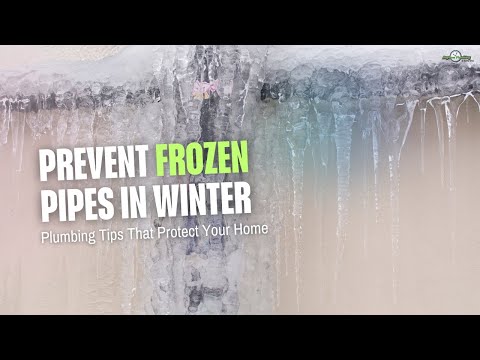
Your outdoor plumbing is the first casualty of winter. Leaving hoses attached to spigots traps water inside the hose and the spigot, creating a plug that freezes and expands, frequently cracking the fixture and the interior piping connected to it. Outdoor faucet care is arguably the simplest yet most overlooked aspect of seasonal plumbing maintenance in winter.
Disconnecting Hoses and Draining Exterior Lines
Before the first hard freeze, disconnect all garden hoses and store them indoors. Once the hose is removed, open the outdoor faucet to allow any residual water to drain completely. If your home has a designated shut-off valve for exterior faucets—usually located in the basement or crawl space—turn it off and open the outdoor spigot to let gravity drain the remaining water. This prevents standing water from turning into ice and rupturing your pipes. Follow these steps to ensure you do it right:
- Locate the interior shut-off valve for the outdoor faucet.
- Turn the valve clockwise to shut off the water supply.
- Go outside and open the faucet to release any trapped water.
- Disconnect the hose and store it in a heated garage or shed.
- Leave the outdoor faucet open throughout the winter season.
Installing Frost-Proof Faucets and Shut-Off Valves
If your home still relies on older, standard outdoor spigots, consider upgrading to frost-proof sillcocks. These fixtures are designed with a long stem that extends deep into the warm interior of your home, allowing water to drain completely outside the wall when the faucet is turned off. This design virtually eliminates the chance of water sitting in the exposed portion of the pipe. If replacing fixtures isn’t in the budget right now, installing faucet covers—also known as insulated wool or foam caps—provides an extra layer of protection for standard spigots during extreme cold snaps.
Thermostat and Interior Strategies for Pipe Protection
While external plumbing requires immediate attention, the interior of your home holds hidden vulnerabilities that can cause just as much damage. Interior plumbing strategies focus on maintaining consistent ambient temperatures and ensuring warm air circulates around hidden pipes.
Maintaining Consistent Thermostat Settings
One of the biggest mistakes homeowners make is turning the thermostat down significantly at night or when the house is empty. While this saves on energy bills, it dramatically increases the risk of frozen pipes. Keep your thermostat set to the same temperature during the day and night. If you plan to be away from home during a cold spell, do not turn the heat off entirely; instead, set the thermostat to no lower than 55 degrees Fahrenheit. This ensures enough heat reaches the plumbing hidden within walls and floors.
Opening Cabinet Doors Under Sinks
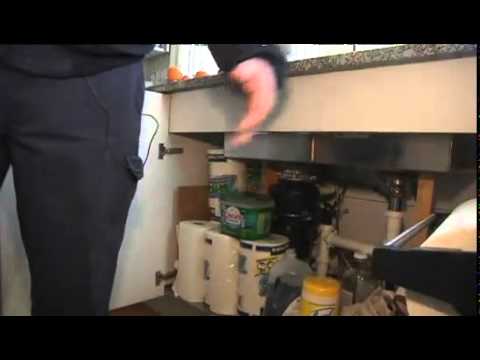
Pipes located under kitchen and bathroom sinks are often neglected because they are out of sight. However, these pipes run along exterior walls and are highly vulnerable to cold drafts from the house. Opening cabinet doors allows warm air from your home’s heating system to circulate around the plumbing. This is especially crucial for pipe insulation tips in kitchens where plumbing runs along uninsulated exterior walls. Additionally, ensure that any chemical drain cleaners or other hazardous materials are moved to higher shelves out of reach of children and pets before leaving these cabinets open.
Advanced Preparations for Extreme Cold Snaps
When the weather forecast calls for temperatures well below zero, basic preventative measures might not be enough. In these scenarios, homeowners must employ advanced strategies to keep their plumbing system safe from catastrophic failure.
Installing Heat Tape and Cable
For pipes in particularly frigid zones that cannot be effectively insulated, heat tape installation is a highly effective solution. Heat tape, also known as heat cable, is an electrical heating element that wraps directly around the pipe. It provides consistent warmth that prevents water from freezing, even in the harshest conditions. Modern heat tapes come with thermostatic controls, meaning they only activate when the temperature drops to a certain threshold, making them energy-efficient. Always ensure you purchase a UL-listed product and follow the manufacturer’s instructions carefully to avoid electrical hazards or fire risks.
The Dripping Faucet Technique
When temperatures are dangerously low, allowing faucets to drip slightly is one of the most effective cold weather plumbing tips. Moving water is significantly harder to freeze than standing water. You do not need to run a heavy stream; a slow, steady drip from the cold and hot taps is sufficient to relieve pressure and prevent freezing. Focus on faucets served by pipes that run along exterior walls or in unheated spaces. This simple act of maintaining water flow can mean the difference between a trouble-free winter and an expensive emergency repair.
Comparing Pipe Insulation Options for Winter
Choosing the right insulation material is crucial for effective frozen pipe prevention. Different materials offer varying levels of protection, cost-effectiveness, and ease of installation.
| Insulation Type | Best For | R-Value | Cost | Installation Difficulty |
| Foam Sleeves | Standard indoor pipes, moderate climates | Low to Medium | Low | Very Easy |
| Fiberglass Wrap | High-heat areas, extreme cold zones | High | Medium | Moderate |
| Rubber Insulation | Outdoor taps, extreme temperature swings | High | Medium to High | Moderate |
| Heat Tape/Cable | Basements, crawl spaces, severe freezing | N/A (Active Heat) | High | Difficult (Electrical) |
Final Thoughts on Cold Weather Plumbing Resilience
Protecting your home from the ravages of winter requires diligence, preparation, and a proactive mindset. By implementing these cold weather plumbing tips, you are not just preventing inconvenient clogs; you are safeguarding your home’s most vital infrastructure. From basic pipe insulation to advanced heat tape installation, every step you take toward winterize plumbing reduces the likelihood of a devastating burst pipe repair. Take the time now to inspect your home, seal the drafts, and prepare your pipes for whatever winter throws your way. Your future self—and your wallet—will thank you immensely.
Frequently Asked Questions About Cold Weather Plumbing
How do I prevent outdoor faucets from freezing in winter?
To prevent outdoor faucets from freezing, always disconnect garden hoses before winter sets in and turn off the interior shut-off valve supplying that faucet. Open the outdoor spigot to allow any trapped water to drain completely. For added protection, install insulated faucet covers over the exterior spigot to shield it from frigid winds and ice.
What is the best way to thaw frozen pipes safely?
The safest way to thaw frozen pipes is by applying gentle, consistent heat using a hair dryer, a heating pad, or warm towels wrapped around the affected section. Never use an open flame, such as a blowtorch or propane torch, as this can cause the pipe to overheat, crack, or start a house fire. Start thawing the pipe from the faucet end and work your way back toward the coldest point.
Should I leave my faucet dripping during cold weather?
Yes, leaving a faucet dripping slightly during extreme cold weather is one of the most effective cold weather plumbing tips for preventing pipes from bursting. A slow trickle of water—whether hot or cold—relieves the pressure that builds up inside the pipe when water begins to freeze. This prevents the pressure from reaching a critical point that causes the pipe to crack or burst.
At what temperature do pipes freeze without insulation?
Without any insulation or heating, exposed pipes can freeze when the ambient temperature drops to 20 degrees Fahrenheit or lower. However, uninsulated pipes located in unheated crawl spaces or exterior walls can freeze at temperatures just above freezing, especially if the cold persists for several days. Proper pipe insulation is essential to delay or prevent this from happening.
How do I winterize my plumbing system before a freeze?
To winterize your plumbing system, start by insulating all exposed pipes in the garage, crawl space, and attic. Seal any air leaks near the plumbing, disconnect exterior hoses, and shut off the water supply to outdoor faucets. Set your thermostat no lower than 55 degrees, open cabinet doors under sinks to allow warm air circulation, and consider letting faucets trickle slightly on the coldest nights.