


Every homeowner knows that the transition from summer to autumn brings more than just cooler temperatures and falling leaves — it signals the time to prepare your home for the challenges of winter. A well-organized fall checklist for home maintenance is your first line of defense against costly repairs, energy inefficiency, and safety hazards that cold weather can expose. Whether you are a first-time buyer or a seasoned property owner, walking through this seasonal checklist ensures that every critical system in your house is ready to perform when temperatures drop. This guide breaks down every task you need to tackle, from the roof over your head to the foundation beneath your feet, so you can enter winter with confidence and peace of mind.
Why a Fall Home Maintenance Checklist Is Non-Negotiable
Many homeowners treat seasonal maintenance as optional, but skipping a fall inspection often leads to expensive emergency repairs during the coldest months. Ice dams, frozen pipes, furnace failures, and storm damage all spike in frequency during winter because of neglected preventive care. A structured autumn home maintenance checklist allows you to identify small issues before they become major problems. Think of it as a preventive investment — spending a few hours now can save thousands of dollars in repairs later. It also improves your home’s energy efficiency, which means lower utility bills when you need heating the most.
Roof and Gutter Inspection
Your roof is the single most important barrier between your interior and the elements, and autumn is the perfect time to assess its condition before heavy snow and ice arrive.
Checking Shingles, Flashing, and Sealant
Walk the perimeter of your property and visually inspect the roof for cracked, curling, or missing shingles. Pay special attention to flashing around chimneys, vents, and skylights, since deteriorated sealant is a common source of leaks. If you are uncomfortable climbing onto the roof, use binoculars from the ground or hire a licensed roofing contractor for a professional assessment. Look for granules collecting in your gutters, which indicate shingle degradation that needs immediate attention.
Gutter Cleaning and Downspout Maintenance
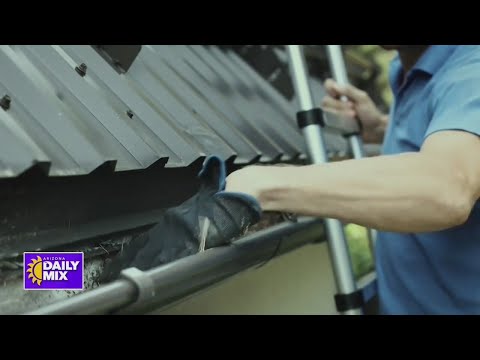
Clogged gutters are one of the leading causes of water damage during fall and winter. Leaves, twigs, and debris build up quickly, causing water to overflow and pool along your foundation. Follow this simple sequence for gutter maintenance:
- Remove all visible debris from gutters by hand or with a scoop
- Flush each section with a garden hose to check for proper drainage
- Clear downspout elbows and extensions of any blockages
- Verify that downspouts direct water at least three to four feet away from the foundation
- Tighten any loose brackets or hangers that may have shifted over the summer
Consider installing gutter guards if your property is surrounded by deciduous trees, as they significantly reduce the frequency of cleaning throughout the season.
HVAC System Preparation
Your heating system has been idle since spring, and it deserves a thorough check before you rely on it daily. A well-maintained furnace or heat pump runs more efficiently, lasts longer, and operates far more safely.
Furnace and Heat Pump Service
Start by replacing your thermostat batteries and setting the system to heat mode to test its responsiveness. Replace or clean your HVAC filter — a clogged filter restricts airflow and forces the system to work harder, which increases energy consumption and wear on internal components. Schedule a professional tune-up if your system has not been serviced in the past twelve months. A certified technician will inspect the heat exchanger, clean the burner assembly, check gas connections for leaks, and verify that the blower motor is functioning correctly. This is also an ideal time to bleed radiators if you have a hot water heating system.
Ceiling Fans and Ventilation
Reverse the direction of your ceiling fan blades so they rotate clockwise at low speed. This pushes warm air down from the ceiling and redistributes it throughout the room, which can reduce your heating costs by up to ten percent. Additionally, vacuum dust from all supply vents and return air grills to ensure unobstructed airflow.
Outdoor and Landscape Tasks
Your yard and exterior surfaces take a beating during fall, and proactive care now prevents problems that worsen under snow and ice.
Tree Trimming and Storm Damage Prevention
Inspect trees near your home for dead branches, cracked limbs, or signs of disease. Autumn winds and winter ice loads can cause hazardous limbs to fall on roofs, vehicles, or power lines. Trim any branches that overhang your roofline or gutters. If you have large trees close to the structure, consider hiring a certified arborist who can assess structural integrity safely.
Outdoor Plumbing and Hose Winterization
Disconnect and drain all garden hoses, and shut off the interior valve that supplies outdoor spigots. Open the exterior faucet to allow residual water to drain, and install insulated faucet covers. This simple step prevents pipes from freezing and bursting, which is one of the most common and expensive plumbing emergencies in fall and winter.
Plumbing and Insulation
Cold weather is the enemy of unprotected plumbing and insufficient insulation. Addressing these areas during fall prevents frozen pipes and heat loss that inflates your energy bill.
Inspecting Pipes and Sealing Gaps
Walk through your basement, crawlspace, and attic to identify any exposed pipes in unheated areas. Wrap them with foam pipe insulation or heat tape. Check for drafts around windows, doors, and utility penetrations using a candle or incense stick — flickering flame indicates an air leak that should be sealed with caulk or weatherstripping. Inspect your attic insulation depth; most climate zones require between R-38 and R-60 for optimal energy performance.
Water Heater and Sump Pump Check
Flush your water heater to remove sediment buildup, which reduces efficiency and shortens the unit’s lifespan. Test your sump pump by pouring water into the basin and confirming that the float switch activates the pump. If your sump pump is more than seven years old, consider replacing it before the spring thaw season.
Safety and Emergency Preparedness
Fall is the ideal season to update your household safety systems before the darker, colder months increase the risk of fire, carbon monoxide exposure, and weather-related emergencies.
Smoke and Carbon Monoxide Detectors

Test every smoke detector and carbon monoxide alarm in the house, replace batteries, and press the test button to confirm audible operation. Replace any unit that is more than ten years old. Place detectors on every floor, inside each bedroom, and outside sleeping areas for maximum coverage.
Emergency Kit and Heating Backup
Assemble or refresh your household emergency kit with flashlights, extra batteries, a battery-powered radio, non-perishable food, bottled water, blankets, and a first aid supply. If you use a wood-burning stove or fireplace, have the chimney inspected and cleaned by a certified sweep before lighting your first fire of the season. Creosote buildup is a leading cause of chimney fires, and annual cleaning is essential for safe operation.
Fall Home Maintenance Task Comparison
The table below provides a quick reference comparing key fall maintenance tasks by difficulty level, estimated cost, and priority.
| Task | Difficulty | Estimated Cost | Priority Level |
| Gutter cleaning | Beginner | $0–$50 DIY | High |
| HVAC filter replacement | Beginner | $15–$40 | High |
| Roof inspection | Intermediate | $0 DIY / $150–$400 pro | High |
| Furnace professional tune-up | Intermediate | $100–$200 | High |
| Pipe insulation | Beginner | $10–$30 per section | Medium-High |
| Tree trimming | Advanced | $200–$800 per tree | Medium-High |
| Chimney sweeping | Intermediate | $150–$300 | Medium |
| Attic insulation upgrade | Advanced | $500–$2,000 | Medium |
| Water heater flush | Beginner | $0 DIY | Medium |
| Sump pump testing | Beginner | $0 | Medium |
Conclusion
A comprehensive fall home maintenance checklist is one of the most worthwhile investments any homeowner can make before winter arrives. By systematically addressing your roof, gutters, HVAC system, plumbing, insulation, and safety equipment, you protect your property value, reduce energy costs, and keep your household safe throughout the colder months. The tasks outlined in this guide range from simple weekend projects to professional services, but every item on the list contributes to a more resilient, efficient, and comfortable home. Start early, work through the checklist methodically, and you will step into winter knowing that your house is fully prepared for whatever the season brings.
Frequently Asked Questions
What is the best time to start a fall home maintenance checklist?
The ideal window is mid-September through mid-October, before temperatures drop consistently below freezing. Starting early gives you enough time to address any issues discovered during inspections and schedule professional services without the winter rush. Completing your autumn home maintenance checklist by late October ensures all systems are ready before the first hard freeze.
How often should gutters be cleaned in the fall?
For most homes surrounded by deciduous trees, gutters should be cleaned at least twice during fall — once in early October after leaf drop begins and again in late November after the final windstorm. Homes near pine trees or evergreens may require more frequent cleaning, since conifers shed needles continuously throughout the season.
Can I perform a roof inspection myself, or should I hire a professional?
Homeowners can conduct a visual inspection from the ground using binoculars or by walking the perimeter of the property. However, a thorough inspection of flashing, underlayment, and structural integrity requires walking on the roof, which is dangerous without proper equipment and training. Hiring a licensed roofing contractor for an annual fall inspection is strongly recommended, especially for homes over ten years old or those that have experienced severe weather events.
What temperature should I set my thermostat at during fall to save energy?
The Department of Energy recommends setting your thermostat to 68°F when you are awake and lowering it by seven to ten degrees when you are asleep or away from home. This simple adjustment can reduce your annual heating costs by approximately ten percent. Consider installing a programmable or smart thermostat to automate these temperature setbacks without manual adjustment.
Is pipe insulation necessary even if I live in a mild climate?
Yes, even in mild climates, overnight temperatures during fall can dip below freezing, especially in unheated basements, crawlspaces, and garages. Insulating exposed pipes in these areas is a low-cost preventive measure that significantly reduces the risk of freeze-related bursts. Pipe insulation is inexpensive and easy to install, making it one of the highest-value tasks on any fall checklist for home maintenance.