Keeping your home air conditioning system running efficiently isn’t just about comfort — it’s about protecting your investment, reducing energy bills, and ensuring clean indoor air quality for your family. Home AC maintenance is something many homeowners overlook until a breakdown hits during the hottest days of summer. That reactive approach can lead to expensive repairs, poor performance, and even full system replacements. But here’s the truth: a well-maintained air conditioning unit can last 15 to 20 years, perform better than a neglected system, and use significantly less electricity. Whether you own a central air system, a ductless mini-split, or a window unit, this comprehensive guide will walk you through everything you need to know about maintaining your AC at every skill level — from beginner basics to advanced optimization techniques.
Why Home AC Maintenance Matters
Your air conditioning system works incredibly hard, especially during peak cooling seasons. It cycles thousands of times over a summer, pulling humidity from the air, filtering dust and debris, and maintaining a consistent temperature throughout your living space. When any component starts to degrade — a clogged filter, a dirty condenser coil, or a low refrigerant charge — the entire system compensates by working harder. That extra effort translates into higher energy consumption, uneven cooling, and accelerated wear on critical parts like the compressor and blower motor.
The Real Cost of Neglecting Your AC
Skipping routine home AC maintenance isn’t just a minor oversight — it’s a financial decision with consequences. Studies from ENERGY STAR and HVAC industry associations consistently show that poorly maintained systems consume 15% to 25% more energy than properly serviced units. Beyond higher utility bills, neglected systems experience a 50% shorter lifespan on average. Compressor failure alone can cost between $1,500 and $3,000 to repair, which is often close to the price of a full replacement. Dirty evaporator coils reduce cooling efficiency. Clogged condensate drains cause water damage and mold growth. Failing to address these small issues early turns affordable upkeep into a major financial burden.

Essential Home AC Maintenance Checklist
A structured maintenance schedule breaks the workload into manageable tasks so nothing gets overlooked. Here’s a practical checklist organized by frequency, so you know exactly what to do and when.
Monthly Tasks
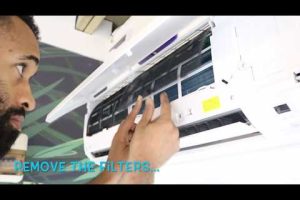
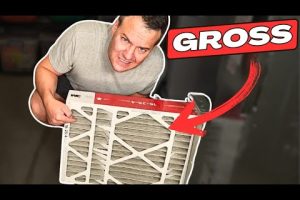
- Inspect and clean or replace your HVAC air filter — this is the single most important maintenance step homeowners can take
- Check the area around your outdoor condensing unit and remove leaves, grass clippings, and debris
- Listen for unusual noises like grinding, squealing, or rattling coming from the indoor air handler or outdoor unit
- Verify that your thermostat is reading accurately by comparing it to a standalone thermometer near the vent
Quarterly Tasks
- Vacuum the registers and air vents throughout your home to remove dust buildup that restricts airflow
- Inspect the condensate drain line for clogs — pour a cup of vinegar down the drain to prevent algae and mold accumulation
- Check the insulation on refrigerant lines running between your outdoor unit and the house — damaged insulation causes energy loss
- Clean the drip pan beneath the evaporator coil to prevent standing water and bacterial growth
Seasonal Tasks (Before Cooling Season)
- Turn on the system and test it for at least 15 minutes to confirm proper cooling and airflow
- Clean the evaporator and condenser coils using a no-rinse coil cleaner spray
- Check the blower fan belt for cracks or fraying and tighten the blower motor mounting bolts
- Measure the temperature differential across the system — it should be between 14°F and 22°F as air passes through the evaporator
- Lubricate any moving parts with motor bearings that require it (older units with oil ports)
DIY vs Professional AC Maintenance
One of the most common questions homeowners ask is whether they should handle AC maintenance themselves or hire a professional. The honest answer is both — and understanding where each approach fits is key to getting the best results from your maintenance efforts.
What You Can Handle Yourself
Most filter replacements, vent cleaning, outdoor unit debris removal, and condensate drain maintenance are straightforward tasks that any motivated homeowner can accomplish with basic tools. You don’t need specialized HVAC training to swap a 1-inch or 4-inch filter, vacuum a register, or clear leaves from around the condenser. These DIY tasks build the foundation of good system performance and should never be skipped, even if you also schedule professional service. Think of them as the daily hygiene habits that keep your system healthy between professional checkups.
When to Call a Technician
Certain maintenance tasks require professional expertise and licensing. Refrigerant handling, electrical diagnostics, compressor testing, and airflow measurement using manometers all demand trained technicians. Annual professional tune-ups should include a thorough inspection of the refrigerant charge (measured using superheat and subcooling calculations), electrical connection tightening, capacitor testing, and a full system performance evaluation. A certified HVAC technician can also identify developing problems — like a slowly leaking refrigerant line or a failing capacitor — before they turn into expensive emergency repairs.
| Task | DIY? | Professional? | Frequency |
|---|---|---|---|
| Filter replacement/cleaning | Yes | Optional | Monthly |
| Outdoor unit debris removal | Yes | No | Monthly |
| Condensate drain cleaning | Yes | Optional | Quarterly |
| Vent and register vacuuming | Yes | No | Quarterly |
| Refrigerant charge check | No | Yes | Annually |
| Electrical inspection & capacitor testing | No | Yes | Annually |
| Full system performance test | No | Yes | Annually |
| Coil deep cleaning | Yes (basic) | Recommended (deep) | Seasonal |
Common AC Problems Caused by Poor Maintenance
Understanding what goes wrong when you skip maintenance helps you appreciate why a regular schedule matters so much. Here are the most frequent issues caused by neglected home AC maintenance:
- Frozen evaporator coils — caused by dirty filters or low airflow, which restricts heat absorption and causes moisture to freeze on the coil surface
- Reduced cooling capacity — clogged coils and low refrigerant levels prevent the system from pulling enough heat from your indoor air
- Short cycling — an overworked system turns on and off frequently, wearing out the compressor and consuming extra electricity
- Mold and mildew growth — a clogged condensate drain creates standing water inside the air handler, creating the perfect environment for mold
- Higher humidity indoors — a poorly maintained system can’t dehumidify effectively, leaving your home feeling muggy even when the temperature reads correctly
- Unpleasant odors — dirty evaporator coils and clogged drains often produce musty or foul smells that blow through every vent in the house
Advanced AC Maintenance Tips for Experienced Homeowners
If you’ve been maintaining your system for a few years and want to take your efforts to the next level, these advanced tips can squeeze extra efficiency and longevity out of your unit.
First, invest in a smart thermostat with usage analytics. Modern Wi-Fi thermostats track runtime patterns, cycling frequency, and energy consumption, giving you data to spot performance degradation early. Second, consider having your ductwork inspected for leaks using a duct blaster test or a thermal imaging camera. Leaky ducts in unconditioned spaces like attics can waste 20% to 30% of your cooled air, undermining everything your AC works to accomplish. Third, upgrade your filter media to a MERV 11 or MERV 13 rating if your system can handle the increased airflow resistance — this significantly improves indoor air quality by capturing smaller particles like mold spores, pet dander, and fine dust. Finally, during your spring professional tune-up, ask the technician to perform a static pressure measurement across your system. Elevated static pressure indicates ductwork restrictions or an oversized filter, both of which reduce efficiency and strain the blower motor.
FAQ: Home AC Maintenance
How often should I replace my AC filter for optimal home air conditioning maintenance?
Standard fiberglass filters should be replaced every 30 days during heavy use, while pleated filters typically last 60 to 90 days. If you have pets, allergies, or live in a dusty area, you may need to replace them more frequently. Checking the filter monthly and holding it up to a light source — if you can’t see light through it, it’s time for a replacement.
What is the average cost of a professional AC maintenance service call?
Most HVAC companies charge between $100 and $200 for a standard annual tune-up, which includes cleaning, inspection, refrigerant check, and electrical testing. Some companies offer maintenance plan memberships that bundle annual service with priority scheduling and repair discounts, often bringing the effective cost down to $80 to $120 per visit.
Can I clean my AC condenser coil myself, or should I always hire a professional?
You can perform a basic cleaning by spraying the condenser coil with a no-rinse coil cleaner and gently rinsing with a garden hose from the outside. Avoid using a pressure washer, as it can bend the delicate fins. However, if the coil is heavily soiled with years of buildup or if fins are bent, a professional fin comb and chemical cleaning will deliver better results without risking damage.
Why does my AC freeze up even when I replace the filter regularly?
While a dirty filter is the most common cause of frozen coils, other culprits include low refrigerant levels, a clogged condensate drain causing improper airflow dynamics, a failing blower motor, or closed or blocked supply vents. If the problem persists despite clean filters, schedule a professional diagnostic to check refrigerant charge and blower performance.
Is it worth getting a home warranty or maintenance plan for my air conditioning system?
Home warranty plans and manufacturer maintenance agreements can be worthwhile if your system is older than 8 years or if you want predictable costs for both service and potential repairs. They provide peace of mind and often include priority service during peak cooling season when repair demand is highest. Compare coverage terms carefully — some plans exclude compressor failure or have significant service fees per visit.
Conclusion
Home AC maintenance isn’t complicated, but it does require consistency and attention. By following a structured checklist, combining DIY tasks with annual professional service, and staying alert to early warning signs like reduced airflow, unusual noises, or rising energy bills, you can keep your cooling system running at peak efficiency for years to come. The small effort you invest in regular upkeep pays dividends in comfort, energy savings, and system longevity — making it one of the smartest homeownership habits you can develop. Start this cooling season with a simple filter check and a professional tune-up, and your air conditioner will reward you with reliable, efficient performance when you need it most.