


Austin storm damage is a reality that every Central Texas homeowner must prepare for, especially given the city’s increasingly volatile weather patterns. From violent thunderstorms and hail events to flash flooding and occasional tornado activity, the Austin metropolitan area faces a unique combination of severe weather threats throughout the year. Understanding how to identify, prevent, and recover from storm damage can save you thousands of dollars in repairs and protect your family’s safety. Whether you own a historic bungalow in Hyde Park or a modern build in the suburbs, this comprehensive guide covers everything you need to know about protecting your Austin property from Mother Nature’s worst.
Understanding Austin Storm Damage: What Homeowners Need to Know
Austin’s geographic location in Central Texas places it squarely in a zone where severe weather can develop rapidly and without much warning. The convergence of Gulf moisture, dry heat from the Llano Estacado, and unpredictable cold fronts creates the perfect recipe for intense storm activity. Many residents underestimate the severity of storm damage because they associate it only with hurricanes or major tornadoes. However, even a single severe thunderstorm can produce hail the size of golf balls, straight-line winds exceeding 70 mph, and torrential downpours that overwhelm drainage systems in minutes.
Common Storm Types That Affect Austin
The diversity of storm types in Austin means homeowners need to prepare for a broad spectrum of damage scenarios:
- Supercell Thunderstorms: These powerful storms are the primary source of large hail in Austin and can produce damaging winds, heavy rainfall, and occasional tornadoes.
- Flash Floods: Austin’s limestone terrain and steep hillsides make it particularly vulnerable to rapid flooding, especially in low-lying areas and creek beds.
- Straight-Line Wind Events: Often associated with derechos or squall lines, these winds can cause widespread roof and tree damage across entire neighborhoods.
- Ice Storms: While less common than in northern states, ice accumulation during winter storms can snap tree limbs and bring down power lines.
- Tornadoes: Central Texas sits in the famous “Tornado Alley,” and Austin has experienced multiple tornado events that caused significant structural damage.
Seasonal Storm Patterns in Central Texas
Storm damage risk in Austin peaks during specific seasons. Spring (March through May) brings the highest frequency of severe thunderstorms and hail events. Summer months deliver intense heat that can weaken roofing materials, making them more vulnerable when storms do arrive. Fall occasionally brings remnant hurricane systems that dump massive amounts of rain on the region. Winter ice storms, though rare, can be devastating when they occur. Understanding these seasonal patterns helps homeowners time their maintenance and storm preparedness efforts effectively.
The Most Common Types of Storm Damage in Austin Properties
Not all storm damage looks the same, and identifying the specific type is critical for determining the right repair approach. Below is a breakdown of the most frequently encountered storm damage categories for Austin homes.
Wind and Hail Damage
Hail damage is arguably the most common and costly form of storm damage in Austin. Hailstones can strip granules from asphalt shingles, dent metal roofing panels, crack tile roofing, and shatter skylights. Wind damage often works hand-in-hand with hail, lifting shingles and exposing the underlayment to water infiltration. Signs of wind and hail damage include missing shingles, dented gutters, cracked vents, and granule loss in gutters and downspouts.
Flooding and Water Damage
Flash flooding in Austin can occur within minutes of heavy rainfall, particularly in areas near Shoal Creek, Onion Creek, and Walnut Creek. Water damage from flooding can compromise foundations, warp hardwood floors, destroy drywall, and promote toxic mold growth within 24 to 48 hours. Even homes not in designated flood zones can experience significant water intrusion during extreme rain events.
Lightning and Power Surge Damage
Lightning strikes during Austin storms can fry electrical systems, appliances, and smart home devices. A direct lightning strike can also ignite roof materials or cause structural damage through the explosive force of the electrical discharge. Homes without proper surge protection are especially vulnerable to cascading electronic failures during storm events.
How to Assess Storm Damage to Your Austin Home After a Storm
Conducting a thorough storm damage assessment should be your immediate priority once conditions are safe. Acting quickly not only prevents secondary damage but also strengthens your insurance claim.
Exterior Damage Checklist
- Walk the perimeter of your property and inspect the roof for missing, cracked, or displaced shingles.
- Check gutters and downspouts for dents, punctures, or debris blockages.
- Inspect windows and doors for cracks, broken seals, or water intrusion marks.
- Examine the foundation for new cracks or signs of water pooling near the base.
- Look for damaged or uprooted trees and branches that may have impacted your structure.
- Check fences, decks, and outdoor structures for structural compromise.
- Document everything with photographs and videos, noting dates and times.
Interior Warning Signs You Shouldn’t Ignore
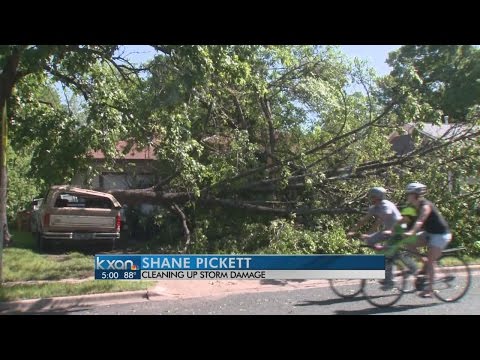
Even if the exterior looks intact, interior damage can lurk unseen. Watch for water stains on ceilings, peeling paint or wallpaper, musty odors indicating hidden moisture, new cracks in walls or ceilings, and electrical flickering or outlets that feel warm to the touch. These signs often point to structural or water damage that requires professional attention.
Austin Storm Damage Repair: What to Do Immediately After a Storm

Time is your biggest enemy after storm damage occurs. Taking the right immediate steps can prevent minor damage from becoming a major catastrophe.
Emergency Steps Every Homeowner Should Take

- Ensure safety first: Stay away from downed power lines, flooded areas, and structurally compromised buildings.
- Document the damage: Take extensive photos and videos from multiple angles before any repairs begin.
- Make temporary repairs: Cover broken windows with plywood, tarp damaged roofs, and place buckets under active leaks to prevent further water damage.
- Contact your insurance provider: File a claim as soon as possible and ask about emergency living expense coverage if your home is uninhabitable.
- Hire a licensed storm damage inspector: A professional assessment provides an authoritative report that strengthens your insurance claim and identifies hidden damage.
Working with Insurance Adjusters
Navigating the insurance process after Austin storm damage can be frustrating. Adjusters may minimize the scope of damage or deny claims outright. To protect yourself, always obtain a written estimate from a licensed roofing or restoration contractor before meeting with the adjuster. Request a public adjuster if you believe your claim is being undervalued. Keep detailed records of all communication and receipts related to the storm event.
Storm Damage Prevention: Protecting Your Austin Property Year-Round
Prevention is the most cost-effective strategy for Austin homeowners. Investing in proactive storm preparedness measures dramatically reduces the risk and severity of damage during severe weather events.
Proactive Measures for Severe Weather Preparedness
- Install impact-resistant roofing materials: Class 4 hail-rated shingles and metal roofing systems offer superior protection against Austin’s frequent hail events.
- Maintain your gutters and drainage systems: Clean gutters at least twice a year to ensure proper water flow away from your foundation.
- Trim trees regularly: Remove dead or overhanging branches that could fall on your home during high-wind storms.
- Install a whole-house surge protector: This device safeguards all electrical systems and appliances from lightning-induced power surges.
- Elevate critical systems: If your home is in a flood-prone area, elevate electrical panels, HVAC units, and water heaters above projected flood levels.
- Invest in a backup generator: Power outages are common after Austin storms, and a generator keeps essential systems running during extended outages.
| Storm Damage Type | Typical Repair Cost Range | Prevention Priority |
| Hail Roof Damage | $5,000 – $20,000 | High — Impact-resistant roofing |
| Wind Roof Damage | $3,000 – $15,000 | High — Regular roof inspections |
| Flooding & Water Damage | $3,000 – $30,000+ | Medium — Sump pumps, grading |
| Lightning & Surge Damage | $500 – $10,000 | Medium — Surge protectors |
| Tree & Debris Damage | $1,000 – $8,000 | High — Routine tree maintenance |
Choosing the Right Storm Damage Restoration Company in Austin
Selecting a reliable storm damage restoration contractor in Austin requires careful vetting. Look for companies that are licensed, bonded, and insured, and that have proven experience handling Austin-area storm claims. Reputable contractors offer free damage inspections, work directly with your insurance company, and provide transparent, detailed estimates. Beware of storm chasers — contractors who descend on Austin after major storm events offering low-quality, rushed work. Always verify references, check reviews on platforms like the Better Business Bureau and Google Reviews, and never sign a contract on the day of a storm.
Expert tip: Ask any potential contractor whether they are certified by industry organizations such as the Institute of Inspection Cleaning and Restoration Certification (IICRC) or the National Roofing Contractors Association (NRCA). These certifications signal a commitment to professional standards and ongoing training in the latest storm damage repair techniques.
FAQs About Austin Storm Damage
How long does an Austin storm damage insurance claim typically take to process?
Most storm damage insurance claims in Austin are processed within 30 to 90 days, depending on the severity and complexity of the damage. Filing promptly, documenting thoroughly, and hiring a licensed public adjuster can significantly speed up the timeline. Major hail events often create a backlog of claims, so early submission is critical.
Does homeowner’s insurance cover storm damage from hail in Texas?
Yes, most standard Texas homeowner’s insurance policies cover hail damage, including roof repair and replacement costs. However, policies vary widely, and some include high deductibles specific to hail claims. Review your policy carefully and consider adding wind and hail coverage if it is excluded or insufficient for your Austin property.
Hidden storm damage often manifests as compromised roof decking, lifted flashing, micro-cracks in shingles that are invisible to the naked eye, weakened sealant around vents and chimneys, and subtle granule loss that indicates the protective layer of shingles has been eroded. A professional inspection using thermal imaging and drone technology can reveal these hidden issues.
Installing impact-resistant roofing, adding storm shutters, upgrading to impact-resistant windows, improving property drainage, and maintaining a documented storm preparedness plan can all qualify you for premium discounts. Many Texas insurance carriers offer significant reductions for homes that meet or exceed Fortified Home standards.
Is it safe to stay in an Austin home with visible storm damage?
It depends on the type and severity of the damage. Structural damage, exposed roofing, compromised electrical systems, and standing water all present serious safety risks. If you suspect any of these conditions, evacuate temporarily and contact a professional restoration company for an assessment before re-entering the property.
Final Thoughts on Protecting Your Austin Home from Storm Damage
Storm damage in Austin is not a question of “if” but “when.” The city’s unique position in a severe weather hotspot demands that homeowners take a proactive, informed approach to property protection. From investing in impact-resistant roofing and proper drainage systems to understanding your insurance coverage and working with trusted restoration professionals, every step you take today reduces your vulnerability tomorrow. The storms will come — and when they do, being prepared is the difference between a manageable repair and a devastating financial loss. Start preparing your Austin property now, because the next storm won’t wait for you to get ready.