When you start searching for the best Arlo smart home security review options, you quickly realize that Arlo has carved out a significant niche in the DIY home surveillance market. With sleek wire-free cameras, cloud-based storage, and an ecosystem that integrates with major smart home platforms, Arlo appeals to homeowners, renters, and small business owners alike. But does it truly deliver on the promise of reliable, high-quality security? This in-depth Arlo security camera review breaks down everything from build quality and video performance to pricing, subscription tiers, and real-world reliability, so you can make a confident buying decision.
What Is Arlo Smart Home Security?
Arlo is a brand under Netgear that specializes in wireless, IP-based security cameras and complete home surveillance ecosystems. Unlike traditional wired systems from brands likeADT or SimpliSafe, Arlo’s devices are battery-operated and connect over Wi-Fi, making them incredibly flexible for renters and property owners who want to avoid drilling holes or running cables. The Arlo ecosystem spans indoor cameras, outdoor cameras, floodlight cameras, doorbells, and even radar-based sensors that detect human and pet movement with remarkable precision.
What sets Arlo apart from many competitors in the smart home security space is its emphasis on wire-free, weather-resistant hardware combined with AI-driven activity detection. Whether you are monitoring a front porch, a nursery, or a backyard shed, Arlo offers a modular approach that lets you scale your system over time without replacing your entire setup.
Key Features of Arlo Security Systems
Camera Quality and Video Resolution

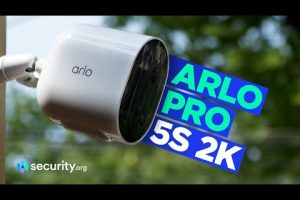
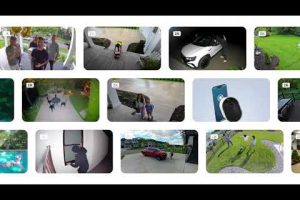
Arlo’s flagship cameras offer 2K and 4K Ultra HD resolution, delivering crisp, detailed footage that makes identifying faces, license plates, and objects significantly easier than with standard 1080p alternatives. The HDR imaging and color night vision found on models like the Arlo Pro 5S and Arlo Ultra 2 ensure that your footage remains usable even in low-light and nighttime conditions. For users prioritizing video clarity, this is one of Arlo’s strongest selling points.
Motion Detection and Smart Alerts
Arlo’s Activity Zones and AI-powered person detection help reduce false alerts dramatically. You can draw custom zones on your live feed, so you are only notified when movement occurs in specific areas — like your driveway or front gate. The system can distinguish between humans, vehicles, and animals, which is a huge advantage for pet owners or households near busy streets.
Two-Way Audio and Sirens
Every Arlo camera comes equipped with two-way audio, allowing you to speak through the device directly from your smartphone. Some models also include integrated sirens that can be triggered manually or automatically through motion detection, adding a powerful deterrent layer to your home security strategy.
Arlo System Setup and Ease of Use
One of the most frequently praised aspects in any Arlo smart home security review is the simplicity of setup. Most Arlo cameras can be mounted in under ten minutes using magnetic bases, adhesive mounts, or screw-in brackets. The Arlo app guides you through the entire process — from connecting to Wi-Fi and syncing your base station to customizing notification preferences and creating activity zones.
Beginner-Friendly Installation
If you are new to smart home security, Arlo is one of the most approachable systems available. The wire-free design means you do not need to call an electrician or worry about outlet placement. The Arlo Secure Base Station acts as the central hub, connecting cameras to your network and storing footage locally on a microSD card or in the cloud via Arlo Secure.
Advanced Customization Options
For more experienced users, Arlo offers custom scheduling, conditional automations, and integration with IFTTT, Alexa, Google Home, and Apple HomeKit. You can set cameras to arm automatically when you leave home, switch to night mode at sunset, or trigger lights and sirens based on specific detection events. These capabilities make Arlo a robust choice for users who want granular control over their surveillance environment.
Arlo vs. Key Competitors
When comparing Arlo to other leading home security brands, several factors stand out. The table below highlights how Arlo stacks up against Ring, Blink, and Google Nest in critical areas.
| Feature | Arlo | Ring | Blink | Nest |
| Wire-Free Cameras | Yes (most models) | Limited | Yes | Limited |
| Max Video Resolution | 4K Ultra HD | 2K | 1080p | 2K |
| Color Night Vision | Yes (select models) | Yes | No | Yes |
| AI Detection | Human, Vehicle, Animal | Human | Human | Human, Animal |
| Free Cloud Storage | Limited | 60 days (Ring Protect) | Limited | 30 days event video |
| Smart Home Integration | Alexa, Google, HomeKit | Alexa, Google | Alexa | Google Home |
| Battery Life | 2–6 months | 6+ months | 2+ years | 3–6 months |
This comparison shows that Arlo leads in video resolution, AI detection granularity, and smart home compatibility, while competitors like Blink may win on battery longevity and Ring on ecosystem breadth for doorbell cameras specifically.
Pros and Cons of Arlo Smart Home Security
Every security system has trade-offs, and understanding them is essential before making a purchase decision.
Pros:
- Stunning 2K and 4K video quality across most models
- Wire-free and weather-resistant design for flexible placement
- Advanced AI person, vehicle, and animal detection
- Excellent two-way audio with noise cancellation
- Broad smart home platform compatibility
- Scalable ecosystem that works for homes and small businesses
Cons:
- Arlo Secure subscription required for full cloud features and continuous recording
- Battery life varies significantly based on usage and settings
- Some users report occasional connectivity drops in areas with weak Wi-Fi
- Higher upfront cost compared to budget alternatives like Blink

Pricing and Subscription Plans
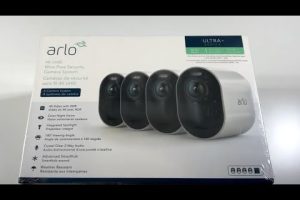
Arlo camera hardware ranges from approximately $99 for entry-level models like the Arlo Pro 4 to $399+ for premium 4K units like the Arlo Ultra 2. Bundles that include multiple cameras and a base station offer better value for whole-home coverage. However, the real cost consideration is the Arlo Secure subscription, which starts at around $3 per month per camera for cloud storage, person detection, and advanced analytics. The Arlo Secure Plus plan provides unlimited cameras and continuous recording for a flat monthly fee, making it more cost-effective for larger setups.
For budget-conscious users, Arlo does offer free tier features including motion-triggered clips and basic alerts. But if you want continuous recording, extended cloud storage, and AI detection, a paid subscription is necessary — a common pattern across the smart security industry.
Who Should Buy Arlo?
Arlo is an excellent choice for renters, tech-savvy homeowners, and small business operators who want a visually impressive, scalable security system without permanent installations. If you value high-resolution video, detailed AI detection, and seamless smart home integration, Arlo delivers on all fronts. It is less ideal for users who want a completely free, no-subscription experience or those who prefer a fully professional, monitored system.
Expert Tips for Maximizing Your Arlo System
- Place your base station centrally to ensure strong Wi-Fi connectivity across all cameras, especially if your home has thick walls or multiple floors.
- Use Activity Zones aggressively to eliminate false alerts from passing cars, animals, or swaying trees.
- Invest in Arlo’s solar panel chargers for outdoor cameras to reduce battery maintenance and keep your system running 24/7.
- Enable continuous recording via the Arlo Secure Plus plan for critical areas like entry points and garages where you need complete event coverage.
- Keep firmware updated through the Arlo app to benefit from the latest security patches, detection improvements, and feature enhancements.
Final Verdict
After thoroughly evaluating Arlo across video quality, ease of setup, AI detection accuracy, smart home integration, and value for money, it is clear that Arlo remains one of the top-tier wire-free home security systems on the market. The combination of stunning 4K video, intelligent detection, and a flexible, scalable ecosystem makes it a compelling choice for anyone serious about protecting their home without the hassle of wired installations. The subscription cost is a consideration, but the hardware quality and feature set justify the investment for users who want best-in-class wireless security.
Frequently Asked Questions
Is Arlo secure and safe from hacking?
Arlo employs end-to-end encryption and two-factor authentication to protect user accounts and video feeds. Like any IoT device, no system is entirely immune, but keeping your firmware updated, using strong passwords, and enabling 2FA significantly reduces your vulnerability. Arlo’s security practices are on par with industry leaders like Ring and Nest.
Does Arlo work without a subscription?
Arlo cameras function without a subscription for basic features like motion-triggered clips, live streaming, and two-way audio. However, you will miss out on continuous recording, AI person/vehicle/animal detection, and extended cloud storage without an Arlo Secure plan.
How long do Arlo camera batteries last?
Battery life depends on the model and usage patterns, but most Arlo cameras last between two and six months on a single charge. Cameras with higher resolution and frequent motion events will drain batteries faster. Using solar panels or wired power options can eliminate this concern entirely.
Can Arlo cameras be used outdoors in extreme weather?
Yes, Arlo’s outdoor cameras are rated IP65 and IP67 for weather resistance, meaning they can handle rain, snow, dust, and extreme temperatures. This makes them suitable for year-round outdoor surveillance in most climates.
Does Arlo integrate with Amazon Alexa and Google Home?
Absolutely. Arlo supports Amazon Alexa, Google Assistant, and Apple HomeKit, allowing you to view live feeds, arm/disarm your system, and receive alerts using voice commands through smart speakers and displays throughout your home.