


When it comes to protecting your home or business, alarm monitoring services are the unsung heroes working behind the scenes around the clock. These services ensure that the moment a sensor detects unauthorized entry, fire, flooding, or any other emergency, trained professionals are immediately alerted and action is taken. Whether you are a homeowner exploring monitored alarm systems for the first time or a business owner looking to upgrade your commercial security infrastructure, understanding how alarm monitoring services work, what to look for, and why they matter can make all the difference between a system that simply sounds a siren and one that actually saves lives and property. In this comprehensive guide, we break down everything you need to know about professional alarm monitoring services in 2024 and beyond.
What Are Alarm Monitoring Services?
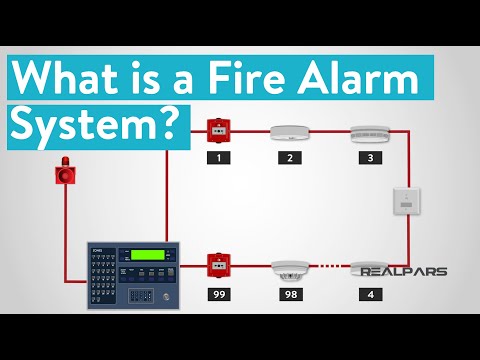
Alarm monitoring services refer to the continuous surveillance and response operation provided by a central monitoring station (CMS) that receives signals from your connected security devices. When an alarm event is triggered — whether by a motion detector, door sensor, glass break detector, smoke alarm, or flood sensor — the signal is transmitted via cellular, internet, or landline to a professional monitoring center. Trained operators then follow predefined protocols, which may include verifying the alarm, dispatching emergency responders, and contacting the property owner or designated contacts.

Unlike unmonitored systems that rely solely on local sirens to deter intruders, monitored alarm services provide an active layer of defense. This is especially critical for businesses with high-value inventory, residential properties in high-crime areas, or facilities housing vulnerable populations. The presence of a 24/7 monitoring center significantly reduces response times and increases the likelihood of preventing loss or damage.
How Do Alarm Monitoring Systems Work?
Understanding the operational flow of monitored alarm systems helps you appreciate the technology and processes involved. Here is a step-by-step breakdown of how alarm monitoring services function in real time:
- Detection: Sensors or devices on your property detect an anomaly — such as an open door, motion in a restricted zone, smoke particles, or water levels rising.
- Signal Transmission: The control panel sends a signal to the central monitoring station via the most reliable available channel, typically cellular or internet-based IP transmission.
- Signal Reception and Verification: Operators at the monitoring center receive the alert and attempt to verify the event through two-way voice communication with the premises or by contacting key holders.
- Response Dispatch: If the alarm is confirmed as genuine, operators contact the appropriate emergency services — police, fire department, or medical responders — based on the type of event.
- Owner Notification: The property owner or designated contacts receive instant alerts via SMS, push notification, phone call, or email through the monitoring service’s app or platform.
This entire process typically takes under 60 seconds from trigger to first responder dispatch, which is a critical factor in minimizing damage and maximizing safety.
Communication Pathways: Cellular vs. Internet vs. Landline
The reliability of your security monitoring solution depends heavily on the communication pathway used. Cellular monitoring uses dedicated wireless networks, making it resistant to physical line cuts. Internet-based monitoring (IP) offers faster data transmission but is vulnerable if the network goes down. Landline monitoring, while traditional, is increasingly deprecated due to susceptibility to wire tampering. Most modern providers recommend a dual-path setup combining cellular and internet for maximum redundancy.
Types of Alarm Monitoring Services
Not all alarm monitoring services are created equal. Different providers and systems cater to different needs, environments, and budgets. Here are the primary categories you should consider:
- Residential Alarm Monitoring: Designed for homes, these services focus on intrusion detection, fire alarms, carbon monoxide detection, and sometimes medical alert integration. Packages are typically affordable and user-friendly.
- Commercial Security Monitoring: Built for businesses, these services offer advanced features like video verification, access control integration, and point-of-sale shutoff capabilities. They often comply with insurance requirements and regulatory standards.
- Industrial and Institutional Monitoring: Serving factories, warehouses, hospitals, and educational campuses, these services handle large-scale deployments with complex zoning, multi-site management, and specialized sensor integration.
- Self-Monitored Services: Some modern providers offer DIY alarm systems where alerts are sent directly to your smartphone. While not professionally monitored, they often include optional professional dispatch for an additional fee.
Key Features to Look For in a Monitoring Provider
Choosing the right alarm monitoring company requires evaluating several critical factors. Here are the features that separate a premium provider from an average one:
- UL Listed Monitoring Center: Look for Underwriters Laboratories certification, which confirms that the monitoring facility meets rigorous safety and operational standards.
- Average Signal-to-Response Time: The best providers maintain response times under 30 seconds from signal receipt to operator acknowledgment.
- Multiple Communication Paths: Redundancy ensures your system stays connected even if one pathway fails.
- Mobile App and Cloud Dashboard: Real-time control, arm/disarm capability, and event history access from anywhere.
- Video Verification Integration: Combining alarm signals with live or recorded video dramatically reduces false dispatch rates and strengthens evidence for law enforcement.
- Customizable Escalation Protocols: The ability to define who gets contacted, in what order, and under what circumstances.
- Battery Backup and Power Failure Alerts: Ensures your system remains operational during power outages.
Alarm Monitoring Services Comparison
Below is a comparison of common monitoring service types to help you evaluate options based on your specific security needs:
| Feature | Professional Monitoring | Self-Monitoring | Hybrid Monitoring |
| 24/7 Live Operator | Yes | No | Yes (backup) |
| Emergency Dispatch | Yes | No | Yes (optional) |
| Monthly Cost | $20–$60 | $0–$10 | $10–$35 |
| False Alarm Management | Verified dispatch | Owner-verified | Dual verification |
| Cellular Backup | Standard | Rare | Standard |
| Video Integration | Full support | Limited | Full support |
| Best For | Homes and businesses needing full coverage | Budget-conscious users | Users wanting flexibility |
How to Choose the Right Alarm Monitoring Service
Selecting a security monitoring solution is not a one-size-fits-all decision. Start by assessing your specific risk profile. A retail store needs different protection than a single-family home or a medical facility. Consider the following expert recommendations when evaluating providers:
- Assess Your Coverage Needs: Map out every entry point, high-value area, and hazard zone on your property. This determines the number and type of sensors and the level of monitoring granularity required.
- Verify Certifications and Accreditations: A reputable provider should hold UL certification and maintain compliance with local fire codes and alarm ordinances.
- Read Contract Terms Carefully: Some contracts lock you in for 36–60 months with early termination penalties. Look for month-to-month options or providers with transparent cancellation policies.
- Test Customer Support Responsiveness: Before signing up, test the provider’s customer service channels. How quickly do they respond? Are they knowledgeable? Is support available 24/7?
- Evaluate Technology Compatibility: If you already have smart home devices or existing security hardware, ensure the monitoring service integrates seamlessly with your current ecosystem.
- Consider Scalability: As your property or business grows, your monitoring needs may evolve. Choose a provider that offers easy expansion without requiring a full system overhaul.
Common Myths About Alarm Monitoring Services
There are several misconceptions that prevent property owners from investing in professional monitoring. Let us address a few of the most common ones:
- Myth: “My alarm siren is enough.” Reality: A siren deters some intruders but does nothing to summon help. Monitoring services actively connect you to first responders, which is what actually stops crimes in progress.
- Myth: “Monitoring is too expensive.” Reality: Professional monitoring typically costs between $20 and $60 per month — far less than the financial and emotional cost of a single break-in or fire.
- Myth: “Monitored systems are complicated.” Reality: Modern monitoring platforms are designed for simplicity. Most offer intuitive mobile apps and require minimal technical knowledge to operate.
- Myth: “I only need monitoring when I’m away.” Reality: Most break-ins and fires occur when properties are occupied or during hours when occupants are asleep. Continuous monitoring protects you 24/7, not just when you leave.
Frequently Asked Questions
What is the average cost of professional alarm monitoring services?
Professional alarm monitoring services typically range from $20 to $60 per month, depending on the provider, features included, and contract length. Some providers offer bundled packages that include video surveillance and access control at a discounted rate. DIY self-monitoring plans can be as low as $0–$10 per month but lack the live operator dispatch and verification that professional services provide.
How quickly do alarm monitoring services respond to an alert?
The best alarm monitoring services acknowledge a signal within 10–30 seconds of receipt and begin the verification process immediately. If an emergency is confirmed, operators typically dispatch police, fire, or medical responders within 60–90 seconds. This rapid response time is one of the primary reasons monitored systems are significantly more effective than unmonitored ones at preventing loss.
Can I use alarm monitoring services with a DIY security system?
Yes, many modern DIY security systems support professional alarm monitoring services as an add-on. Companies like SimpliSafe, Ring Alarm, and Abode allow you to start with a self-installed system and upgrade to professional monitoring at any time. This gives you the flexibility of DIY installation with the peace of mind of 24/7 professional oversight.
What happens if the internet or power goes down while my system is monitored?
Reputable alarm monitoring services use redundant communication pathways, typically combining cellular backup with internet or landline connections. If the internet goes down, the cellular module automatically takes over. Battery backup in the control panel ensures the system remains operational for 12–24 hours during a power outage, and the monitoring center will receive power failure alerts so they can take additional precautions.
Are monitored alarm systems required by insurance companies?
While not universally required, many insurance companies offer significant premium discounts — often 5% to 20% — for properties equipped with monitored alarm systems. Some mortgage lenders or commercial property managers may also mandate professional monitoring as part of their risk management requirements. Always check with your insurance provider to understand the specific criteria for discounts.
Final Thoughts
Alarm monitoring services represent one of the most impactful investments you can make in the safety and security of your property. They transform a passive alarm system into an active defense mechanism, ensuring that every triggered alert is heard, verified, and acted upon by trained professionals. Whether you are protecting a family home, a retail storefront, or an industrial facility, partnering with a reputable monitoring provider delivers unmatched peace of mind. Take the time to evaluate your needs, compare providers, and choose a service that offers the right balance of technology, reliability, and support for your unique situation.